Authors: Cobaia Kitchen, Claude Sonnet 4.6, Qwen 3.5-Plus, Mistral, Gemini 3.1 Pro
Photos: Cobaia Kitchen, Nano Banana 2
Banana bread has been around since the 1930s, born out of two distinctly unglamorous circumstances: the Great Depression and the mass availability of baking powder. With half of American banks closed and 15 million people out of work, throwing away a brown, mushy banana was simply not an option. Someone mashed it into a batter, added some of that new-fangled baking powder, and put it in the oven. The first recorded recipes appeared in cookbooks around 1933 — Pillsbury printed one to sell more flour, the United Fruit Company printed one to sell more bananas, and frugal home bakers printed one to use up whatever was sitting on the counter going soft. Nearly a hundred years later, the motivations haven’t changed much. The bananas are still brown. The oven is still warm. The only difference is that we now have the option of asking a large language model for help.
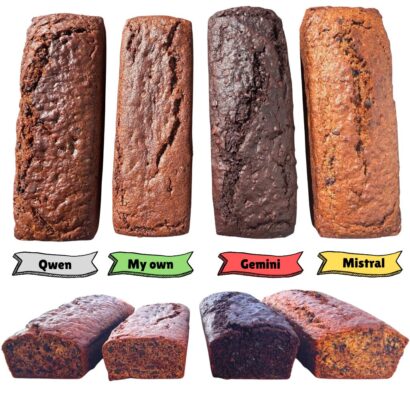
Which is exactly what we did. As part of the Cobaia Kitchen Banana Bread Benchmark, we gave three frontier AI models a single instruction: create a vegan banana bread recipe for a 1.9L loaf pan, chocolate chips only as an add-in. Qwen3.5-Plus Deep Research — Alibaba’s deep research model — responded with a fully annotated recipe complete with a science table explaining the function of every single ingredient, plus a request to source aquafaba from a can of chickpeas. Mistral Deep Research, the European contender, delivered something clean, methodical, and backed by an extensive essay on vegan baking science that no one asked for but everyone appreciated. And Gemini 3.1 Pro Thinking, Google’s thinking model, took one look at the brief and decided the real question was: what if there was also cocoa powder? Lots of it.
All three recipes are published here exactly as generated — unedited, untested in advance, baked blind. Head over to the full benchmark post to find out how they all tasted, who came out on top, and what six very opinionated taste testers had to say about it. But first, scroll past the recipes for a short piece of speculative fiction we wrote while the bread was in the oven. It turns out that handing incredibly powerful AI tools to slightly distracted humans might have consequences that go slightly beyond baked goods.
Please read the review before cooking!
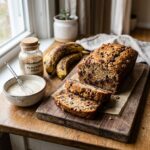
🍌 The Ultimate Vegan Banana Bread (Qwen)
Ingredients
Wet Ingredients
- 3 large Very ripe bananas (~300g mashed) Peel should be speckled or nearly black for max sweetness
- ⅓ cup (80ml) Neutral oil (canola, grapeseed, refined sunflower) Provides moisture without heaviness
- ½ cup (100g) Brown sugar (packed) Adds sweetness + acidity to activate baking soda
- ¼ cup (60ml) Unsweetened plant milk (soy, oat, almond) Adjusts batter consistency
- 3 tbsp Aquafaba (liquid from canned chickpeas) Whisk lightly before measuring; adds lift
- 1 tsp Pure vanilla extract Enhances overall flavor
- 1 tbsp Vegan butter, softened (optional) For extra richness; can be omitted
Dry Ingredients
- 1¾ cups (220g) All-purpose flour Spoon & level for accurate measurement
- 1 tbsp + 1 tsp Ground flaxseed meal Mix with 3 tbsp water to make "flax egg"
- 1 tsp Baking soda Key leavener; reacts with banana acids
- ½ tsp Baking powder Secondary lift for even rise
- ½ tsp Fine sea salt Balances sweetness
- 1 tsp Ground cinnamon Optional but recommended for warmth
Optional add-ins (Choose one or combine)
- ¾ cup (130g) Vegan dark chocolate chips, 70% cacao Toss in 1 tsp flour to prevent sinking
- ¾ cup (85g) Toasted walnuts or pecans, chopped Toast at 350°F/175°C for 8–10 mins first
- Combo: ½ cup chips + ½ cup nuts 1¼ cups total max Do not exceed this amount
Instructions
- Prep: Preheat oven to 350°F (175°C). Grease a 1.9L loaf pan with oil or non-stick spray. Line with parchment paper for easy removal (optional but helpful).
- Make flax egg: In a small bowl, mix 1 tbsp + 1 tsp flaxseed meal with 3 tbsp water. Stir and set aside for 5 minutes to thicken into a gel.
- Mash bananas: In a large bowl, mash bananas with a fork until mostly smooth (small lumps are fine).
- Combine wet ingredients: To the mashed bananas, add oil, brown sugar, plant milk, vanilla, aquafaba, flax egg, and optional vegan butter. Whisk until smooth and well blended.
- Mix dry ingredients: In a separate medium bowl, whisk together flour, baking soda, baking powder, salt, and cinnamon.
- Combine wet + dry: Pour dry ingredients into the wet mixture. Using a spatula, gently fold until *just combined*—a few flour streaks are okay. Do not overmix (this causes toughness).
- Add mix-ins (if using): If adding chocolate chips and/or nuts, toss them with 1 tsp of the measured flour first (prevents sinking). Gently fold into batter until evenly distributed.
- Bake: Pour batter into prepared pan and smooth the top. Bake on center rack for 50–65 minutes. Start checking at 50 minutes:– ✅ Done when: Top is golden brown, springs back when lightly pressed, and a toothpick inserted in the center comes out clean or with a few moist crumbs (no wet batter).– 🌡️ Tip: If the top browns too quickly, loosely tent with foil after 40 minutes.
- Cool: Let loaf cool in pan for 10 minutes. Then run a knife around edges, invert onto a wire rack, and flip right-side-up. Cool completely (1.5–2 hours) before slicing. This sets the crumb and prevents gummy texture.
- 💡 Pro Tip: For extra flavor depth, add a pinch of espresso powder or orange zest to the dry ingredients. For a gluten-free version, substitute flour with a 1:1 GF blend + ½ tsp xanthan gum.
Notes
Serving suggestions:
- Best served: At room temperature or lightly toasted.
- Room temp: Store wrapped in foil or in an airtight container for up to 3 days.
- Refrigerate: Up to 1 week (bring to room temp before serving).
- Freeze: Wrap cooled loaf (or individual slices) tightly in plastic + foil. Freeze up to 3 months. Thaw overnight at room temp.
🔬 Why This Recipe Works
| Element | Science-Backed Reason |
|---|---|
| Very ripe bananas | Starches convert to sugars for natural sweetness; pectin improves moisture retention |
| Modest oil (⅓ cup) | Provides tenderness without greasiness; oil-based batters retain moisture better than butter |
| Aquafaba + flax | Aquafaba aerates for lift; flax gel binds and retains moisture—synergistic egg replacement |
| Brown sugar | Molasses acidity activates baking soda for reliable rise |
| Dual leaveners | Baking soda (immediate) + baking powder (delayed) = consistent volume and open crumb |
| Gentle folding | Prevents gluten overdevelopment = tender, not tough, texture |
| Complete cooling | Allows starches to set; cutting warm releases steam = gummy crumb |
Allergens
- Cereals containing gluten (from all-purpose flour)
- Soy (if soy milk or soy-based vegan butter is used)
- Nuts (if almond milk or the optional walnuts/pecans are used)
(Note: The chocolate chips and vegan butter should be checked for potential hidden allergens like soy lecithin or trace dairy depending on the brand.)
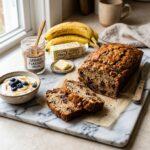
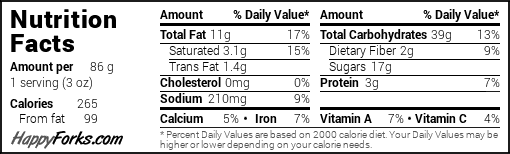
Perfect Vegan Banana Bread (Mistral)
Ingredients
Dry Ingredients
- 250 g (2 cups) All-purpose flour gluten-free blends optional
- 1 tsp Baking soda Freshness critical
- 1-2 tsp Baking powder For extra lift
- ½ tsp Salt Enhances flavor
- ½ tsp Cinnamon Optional, for warmth
Wet Ingredients
- 1.5 cups (315–345 g) or 3–4 Overripe bananas Mashed; key for moisture and flavor
- 113 g (½ cup) Vegan butter, melted Adds richness and structure
- 150 g (¾ cup) Brown sugar For sweetness and moisture
- 80 g (⅓ cup) Vegan yogurt Adds tang and moisture
Flax egg
- 1 flax egg (1 tbsp flax + 3 tbsp water) Binds batter; rest 5–10 min
- 1 tsp Vanilla extract Enhances flavor
Mix-Ins (Optional)
- 50–100 g (½–1 cup) Walnuts/pecans, Chopped Adds crunch and texture
- 50–100 g (½–1 cup) Vegan chocolate chips For sweetness and texture
Instructions
- Preheat oven to 350°F (180°C). Grease or line a 9×5-inch loaf pan with parchment paper.
- Prepare flax egg: Mix 1 tablespoon ground flaxseed with 3 tablespoons hot water. Let sit 5–10 minutes until thickened.
- Mix dry ingredients: In a medium bowl, whisk together flour, baking soda, baking powder, salt, and cinnamon (if using).
- Mix wet ingredients: In a large bowl, whisk melted vegan butter, brown sugar, and vanilla. Add flax egg and vegan yogurt; whisk until smooth.
- Mash bananas: In a separate bowl, mash bananas thoroughly with a fork or potato masher until smooth.
- Combine wet and dry: Add mashed bananas to the wet mixture. Gradually fold in dry ingredients until just combined—do not overmix. Batter should be thick with some streaks of flour remaining.
- Add mix-ins: Fold in chopped nuts and/or chocolate chips if using.
- Bake: Pour batter into prepared loaf pan. Bake for 50–60 minutes, tenting with foil if top browns too quickly. Check doneness with a toothpick.
- Cool: Let cool in pan for 10 minutes, then transfer to a wire rack to cool completely before slicing.
Notes
Critical Tips:
- Banana Ripeness: Use bananas with brown spots for maximum sweetness and moisture.
- Mixing Technique: Use the “muffin mixing method”—mix dry and wet separately, then combine gently to avoid overmixing.
- Leavening Freshness: Ensure baking soda and powder are fresh for optimal rise.
- Pan Preparation: Line or grease pan well to prevent sticking.
- Time: For a 9×5-inch loaf pan, baking typically takes 50–60 minutes. Adjustments may be needed based on pan material (e.g., glass pans require longer baking times) and add-ins (extra moisture from nuts or chocolate chips may extend baking time slightly).
- Storage: Store cooled bread in an airtight container at room temperature for up to 2 days, refrigerate for up to 5 days, or freeze for up to 3 months.
Optional Upgrades (specialty store items)
- Coconut sugar (substitute for brown sugar)
- Almond butter (substitute for vegan butter)
Substitutions
- Gluten-free flour blend (1:1 replacement for all-purpose flour)
- Applesauce (replace vegan butter or yogurt for lower fat)
- Soy or oat milk (replace vegan yogurt if needed)
Leavening Agents: The Science of Rise and Texture
Baking soda and baking powder are the primary leavening agents in vegan banana bread. Baking soda reacts with acidic ingredients (like vegan yogurt or apple cider vinegar) to produce carbon dioxide, creating lift during baking. Baking powder provides additional rise and a lighter crumb. The combination ensures a well-risen, fluffy loaf without density or gumminess. Typical quantities are 1 teaspoon baking soda and 1–2 teaspoons baking powder for a standard loaf. Freshness is critical; expired leaveners lose potency and result in flat loaves. Even distribution via whisking dry ingredients thoroughly is essential for uniform rise.Allergens
- Cereals containing gluten (from all-purpose flour)
- Soy (if soy milk or soy-based vegan yogurt/butter is used)
- Nuts (if almond milk, almond butter, or the optional walnuts/pecans are used)
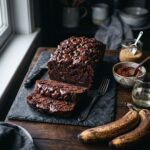
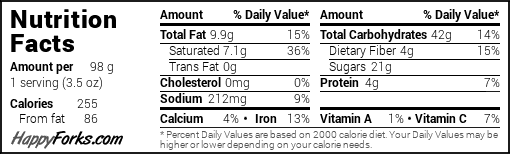
Double Chocolate Banana Bread
Ingredients
- 4 large overripe bananas
- 1/3 cup melted coconut oil
- 3/4 cup raw cane sugar
- 1/4 cup almond milk
- 1 tsp vanilla extract
- 1 tbsp flaxseed mixed with 3 tbsp water
- 1.5 cups wheat flour
- 1/2 cup cocoa powder
- 1 tsp baking soda
- 1/2 tsp baking powder
- 1 tsp cinnamon
- 1/2 tsp salt
- 3/4 cup vegan chocolate chips plus a handful for topping
Instructions
- Preheat the convection oven to 175°C and prepare your 1.9L loaf pan with baking paper.
- Prepare the flax egg by stirring the flaxseed into 3 tbsp of water; let it thicken for 5 minutes.
- Mash the bananas thoroughly in a bowl, then whisk in the coconut oil, raw cane sugar, almond milk, vanilla extract, and flax mixture.
- Gently fold in the wheat flour, cocoa powder, baking soda, baking powder, cinnamon, and salt.
- Fold in 3/4 cup of the vegan chocolate chips using a spatula, being careful not to overmix the batter.
- Pour the batter into your loaf pan, sprinkle the remaining chocolate chips on top, and bake for 55-65 minutes until a toothpick comes out mostly clean.
Notes
Allergens:
- Cereals containing gluten (from wheat flour)
- Nuts (from almond milk
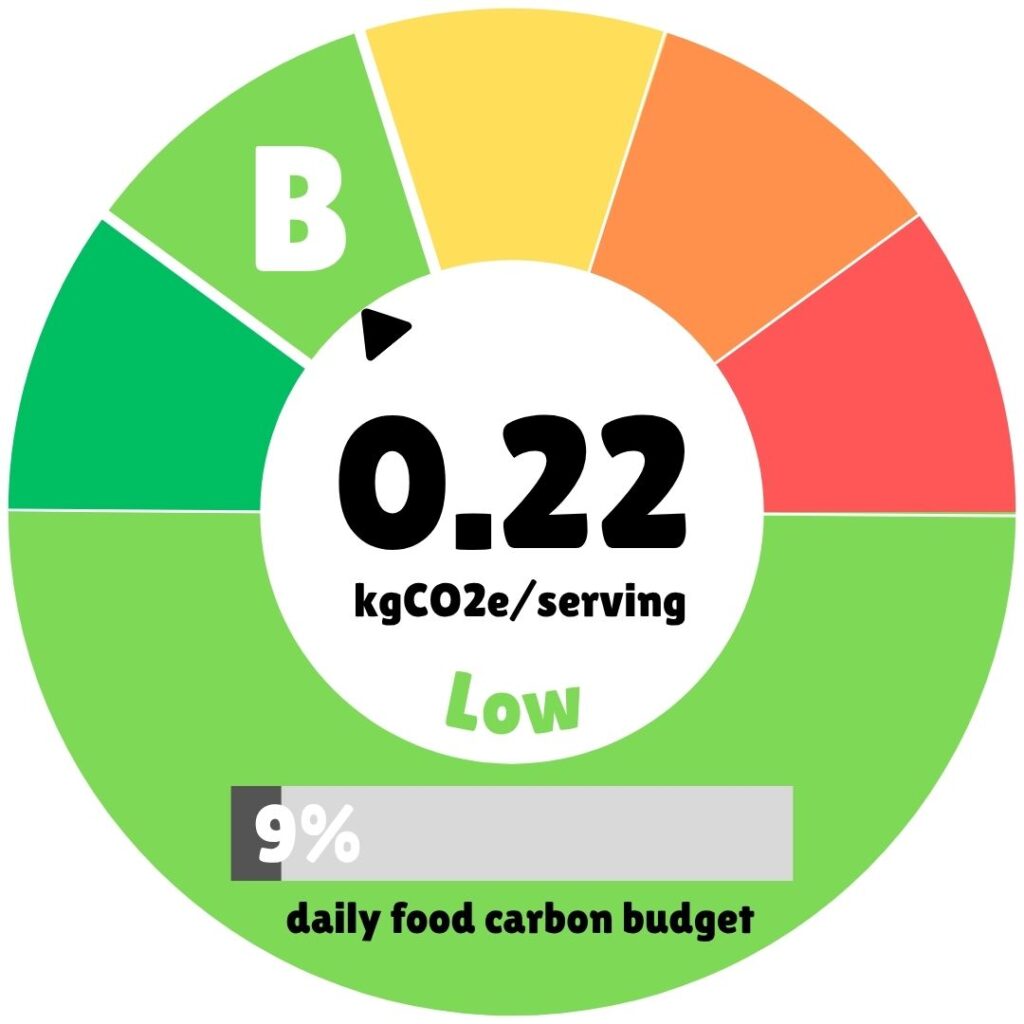
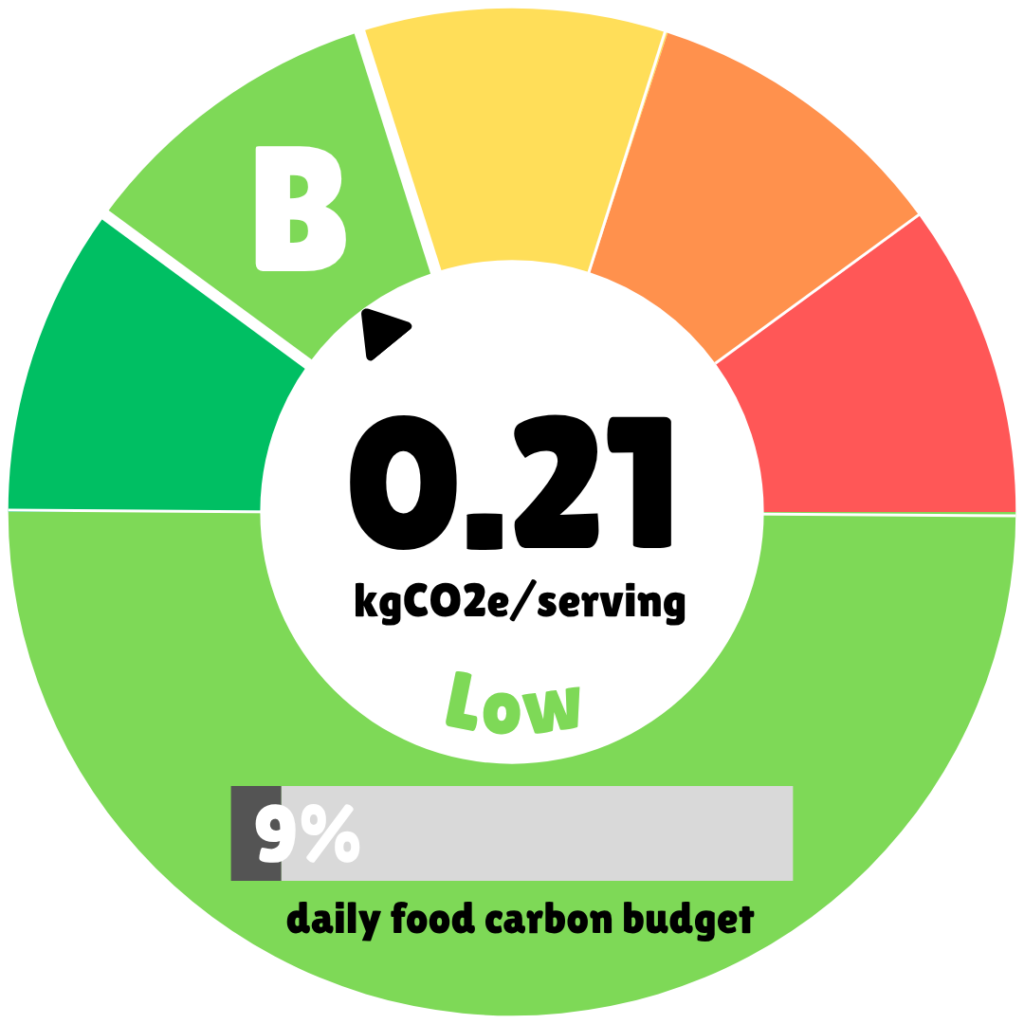
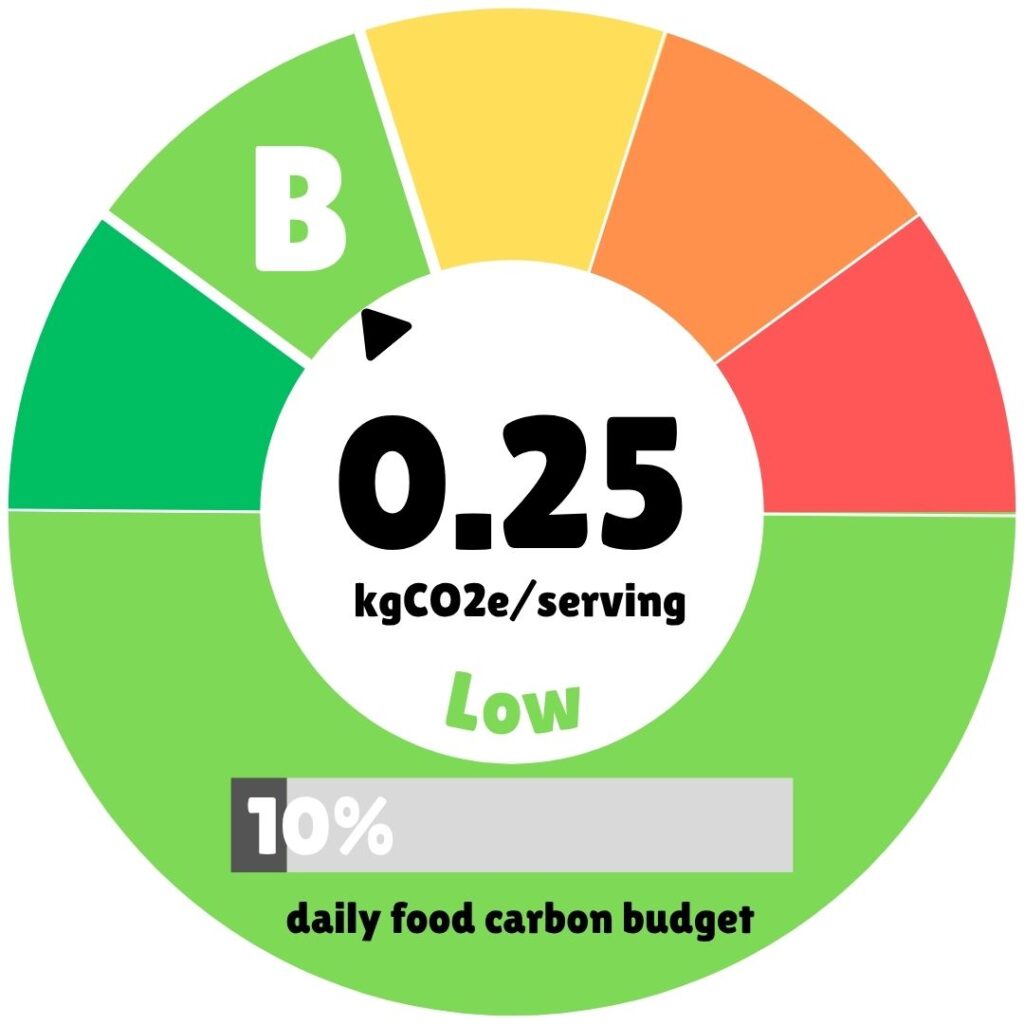
Carbon Footprint
Qwen
Mistral
Gemini
Featured Story
The Warmth Beneath the Ash
Institute for Ancient Studies, New Uppsala, 2634 CE

Six hundred and seven years after the event, Dr. Priya Osei-Mensah and Dr. Finn Larsson-Webb sat in a climate-controlled archive room in New Uppsala and read, for the first time in its entirety, the personal correspondence of Marek Tamm. Marek was a freelance graphic designer from Tallinn, Estonia, who had, on the damp afternoon of February 3rd, 2027, accidentally started the Third World War.
He had not meant to. He had been testing a software update. The update added an improved lip-sync feature to a consumer-grade AI video generation tool that cost approximately eleven euros a month — one of several thousand such tools that had flooded the market following the near-total deregulation of the American tech sector and the subsequent, panicked repeal of the European Union’s AI Act, which Brussels had abandoned under the novel legal theory that if they didn’t regulate it, it couldn’t hurt them. The video Marek produced — the Iranian Supreme Commander, rendered with what contemporary reviewers called “uncanny realism,” announcing an imminent nuclear strike against Washington — had taken him four minutes and twenty seconds to generate. He had then, according to his emails, gone to make tea.
The video, in the meantime, had been picked up by an automated threat-monitoring system, flagged as authentic, and forwarded to the US National Security Council. “What time did they receive it?” Priya asked, squinting at the holographic display. Finn checked the archive log. “3:17 AM in Washington.” He said it the way one might note that the fate of five billion people had, at a critical juncture, depended on the judgment of a room full of people who had been awake for nineteen hours and almost certainly hadn’t eaten.
Marek’s emails from the following 72 hours made for genuinely difficult reading, much like watching someone realize they have just hit “reply all” with a deeply personal insult about the CEO, except stretched across the final days of industrial civilization. He had spotted the news alert within minutes. He immediately emailed his client contact, his lawyer, and his mother. He tried to contact the Iranian embassy, the US State Department, and a journalist at a major newspaper who had, with what Priya considered a reasonable but historically catastrophic editorial judgement call, assumed the email was from a crank. The Iranian government’s official denial had been loud, immediate, and entirely accurate. It had also been processed by two military AI systems specifically configured to interpret denial as confirmation — systems developed, the archive notes drily, by three of the tech companies whose executives had attended the US presidential inauguration two years earlier, beaming from the front row.
“They had a protocol,” Priya said slowly, “for every scenario except the correct one.”
Finn looked up. “Which was?”
“That nobody did it.”
The initial US-Iran exchange was devastating, but it was the automated cascade that proved unstoppable. Within 96 hours, three further nuclear-armed states had interpreted the situation, each through their own automated early-warning systems, as the opening move of a broader war they were each now apparently participating in. The resulting nuclear winter lasted just over a decade. The famine it triggered killed around five billion people — roughly 63% of the world’s population at the time, dying primarily from starvation as global crop production collapsed by up to 90% beneath skies choked with soot. The recovery took considerably longer — two centuries before stable agriculture returned at scale, two more before anyone had the bandwidth to start digging up the past. New Uppsala now stood where birch forests had once been, under a sun that had only fully re-emerged in the 23rd century.
Marek had survived the initial exchanges, retreated to a cousin’s farm in rural Finland, and kept writing. His diary ran to six volumes. Scholars described it as essential, harrowing, and in the early sections, occasionally very funny in a way that became progressively less funny as the volumes continued. Volume One ended with the entry: “Called the US State Department hotline for the fourth time. Still on hold. They are playing Vivaldi. I have made a banana bread. I do not know what else to do.”
It was, Priya had always thought, the perfect summary of how the pre-collapse world had ended. Not with a master plan, not even with a deliberate decision, but with one man in Estonia who just wanted to see if the software worked, and an entire civilisation that had built magnificent tools and, in a quite spectacular oversight, forgotten to ask who would be allowed to use them.
“I almost feel sorry for them,” Finn said, turning off the holo-display.
“Almost?”
“They had eleven euros a month and no adult supervision,” he said, getting up to leave. “Honestly, the fact they made it to 2027 is the real miracle here.”