Authors: Cobaia Kitchen, Mistral LeChat, Claude Sonnet 4.5
Photos: Cobaia Kitchen, Google Nano Banana
When we asked the Mistral LeChat DeepResearch model for a single plant-based recipe, we didn’t expect a comedy of errors. This AI, equipped with advanced research capabilities, was supposed to deliver one creative recipe. Instead, it produced a full academic research report with two recipe suggestions—both German cuisine, despite instructions to avoid cuisines we’d already explored.
The plot thickened: one suggestion was for Kartoffelpuffer (potato pancakes), a dish already on our previously-cooked list. To be fair, our first attempt was such a spectacular failure that maybe we deserved a second chance. The other suggestion, however, was a winner: Graupensuppe, or German-style barley soup. This hearty dish dates back centuries, when barley was a staple grain throughout European kitchens. Unlike elaborate medieval feasts, Graupensuppe belonged to the peasant table—simple, nourishing soup made from pearl barley, root vegetables, and seasonal produce. For German boomers, it evokes childhood memories of cozy winter meals and grandmother’s kitchen. As a Gen Xer, my memories are hazy—perhaps I encountered it once or twice, making it perfect for rediscovery.
The dish itself is wonderfully unpretentious. Pearl barley is cooked with diced carrots, celery, onions, and leeks until tender, releasing starch that creates a slightly creamy texture. Our plant-based version relies on oregano, paprika, and nutmeg for flavor, served with crusty bread and fresh salad for a complete meal. Its remarkably bland and unexciting taste immediately reminded us of the German children’s book series “Bitte nicht öffnen” (Please Do Not Open), which is set in a fictional town called Boring, and this association inspired the story that accompanies this recipe.
What makes Graupensuppe particularly relevant today is its sustainability. Barley has a low carbon footprint, and the recipe uses seasonal, locally available vegetables—the kind of cooking our ancestors practiced out of necessity, and we now embrace by choice. Ready in about an hour with mostly hands-off simmering, it’s also perfect for batch cooking. Sometimes the best recipes come from unexpected detours—and sometimes you need an overzealous AI and a failed potato pancake attempt to rediscover a piece of culinary history.
Please read the review before cooking!

German-Style Barley Soup
Equipment
- Large pot
- Knife
- cutting board
- Spoon
- measuring cups and spoons
Ingredients
For the Barley Soup:
- 1.5 cups Pearl barley Rinsed
- 2 medium Carrots Diced
- 2 stalks Celery Diced
- 1 large Onion Chopped
- 1 cup Leeks Chopped
- 8 cups Vegetable broth Low-sodium if possible
- 1 can White beans Drained and rinsed (optional for extra protein)
Seasonings
- 1 tsp oregano
- ½ tsp paprika
- nutmeg
- salt and pepper To taste
For the Crusty Bread:
- 6 slices Crusty bread 2 per person
For the Green Salad:
- 6 cups Mixed greens 2 cups per person
- 1 cup Cherry tomatoes Halved
- 1 medium Cucumber Sliced
- 2 tbsp Olive oil For dressing
- 1 tbsp Vinegar For dressing
Instructions
Prepare the vegetables:
- Dice the carrots and celery.
- Chop the onion and leeks.
- Halve the cherry tomatoes and slice the cucumber.
Cook the soup:
- In a large pot, sauté the onion, carrots, celery, and leeks in a bit of oil until softened.
- Add the rinsed barley and vegetable broth to the pot.
- Bring to a boil, then reduce heat and let it simmer for about 30 minutes, or until the barley is tender.
- Add the seasonings (oregano, paprika, nutmeg, salt, and pepper) and the drained white beans (if using). Cook for another 10 minutes.
Prepare the salad:
- In a large bowl, combine the mixed greens, halved cherry tomatoes, and sliced cucumber.
- Drizzle with olive oil and vinegar, and toss to combine.
Serve:
- Toast the crusty bread if desired.
- Ladle the barley soup into bowls.
- Serve with a side of crusty bread and a portion of the green salad.
Notes
Serving suggestions:
- Serve the barley soup hot with a slice of crusty bread on the side.
- Garnish the soup with fresh parsley if desired.
Allergens:
-
- Gluten: Present in barley and bread.
- Celery: Included in the soup ingredients.
- Sulphites: If present in the vegetable broth or any other ingredient (check labels).
Emission Hotspots:
- Shop to home transportation, if a combustion car is used
Sustainability tips:
- To avoid food waste, choose a different recipe
- Choose dried beans over canned: Dried white beans have a significantly lower carbon footprint (less processing, no metal can). Soak overnight and cook in bulk—freeze portions for future guisos.
- Compost your vegetable trimmings, turning them into nutrient-rich soil instead of landfill waste.
- Don’t discard the celery leaves—they’re packed with flavor and can be added directly to the soup, used as a garnish, or dried to make herb salt.
- Freeze leftovers in individual portions: This soup tastes even better the next day and freezes beautifully, reducing cooking energy per serving over time.
- Buy seasonal, local vegetables: Choose carrots, celery, onions, and leeks that are in season to minimize storage and transportation emissions.
- Walk or bike to the supermarket and farmer’s market to cut transportation emissions
- Make your guinea pigs 🐹 happy with a menu of mixed greens, carrot greens, celery and cucumber.
Carbon Footprint
Featured Story
The Boring Cloud

In the town of Boring, where nothing exciting ever happened and the most thrilling event of the year was watching paint dry at the hardware store, three friends sat on Nemo’s front steps and stared at the sky with deep disappointment. It was Saturday afternoon, and the weekly boredom had reached apocalyptic levels. Even Frau Fasching’s gossip about the new mailman had become boring. Oda sighed so dramatically that Fred worried she might deflate completely, while Nemo kicked at a pebble that rolled exactly three centimeters before stopping—because even pebbles in Boring couldn’t be bothered to roll properly.
That’s when the package arrived—another mysterious parcel marked “Bitte nicht öffnen!” in wobbly handwriting. They tore it open immediately (because who actually follows warning labels?), and out tumbled a creature that looked like a cross between a pearl and a very fluffy hamster with enormous eyes. “I am Perlo, Guardian of Excitement!” it squeaked, bouncing once before deflating into a sad little puddle of fluff. “Or at least, I was supposed to be. But I lost my Sparkle Stone somewhere between ‘Am Arsch der Welt’ and your boring little town, and now I’m just… boring. Like everything else here.”
The tragedy became clear: Perlo’s lost Sparkle Stone was causing a “Boring Cloud” to settle over the entire town, making everything even more tedious than usual. The mailman had forgotten how to whistle. The ice cream shop started serving only vanilla—not even good vanilla, just boring vanilla. Worst of all, Nemo’s little sister had become so bored that she’d started alphabetizing the grains of barley in the kitchen pantry, which their grandmother had bought for some forgotten soup recipe. If they didn’t find the Sparkle Stone soon, the entire town would become so phenomenally boring that people would start falling asleep mid-sentence and never wake up.
What followed was the most ridiculously exciting adventure Boring had ever witnessed: a quest through the Dicksteiner Forst involving a grumpy talking badger who only spoke in complaints, a conspiracy involving the local librarian who’d been hoarding excitement in books for years, and a final showdown at the abandoned quarry where the Sparkle Stone had been accidentally swallowed by a extremely apologetic frog. Perlo, once reunited with his stone, lit up like a disco ball made of pure joy, and the Boring Cloud lifted so dramatically that people suddenly remembered how to laugh, the hardware store spontaneously started selling neon paint, and even the town clock—which had been stuck at 3:15 for seventeen years—began ticking again.
As Perlo packed himself back into his mysterious package to continue his journey, he left them with a warning wrapped in glitter: “Boring isn’t a place—it’s a state of mind! Though honestly, you might want to keep living in a town called Boring, because the contrast makes adventures taste SO much better!” And with a poof of sparkly smoke, he vanished, leaving behind only a faint scent of cinnamon and the lingering suspicion that their town’s name might actually be its greatest superpower.
Culinary Reality Check
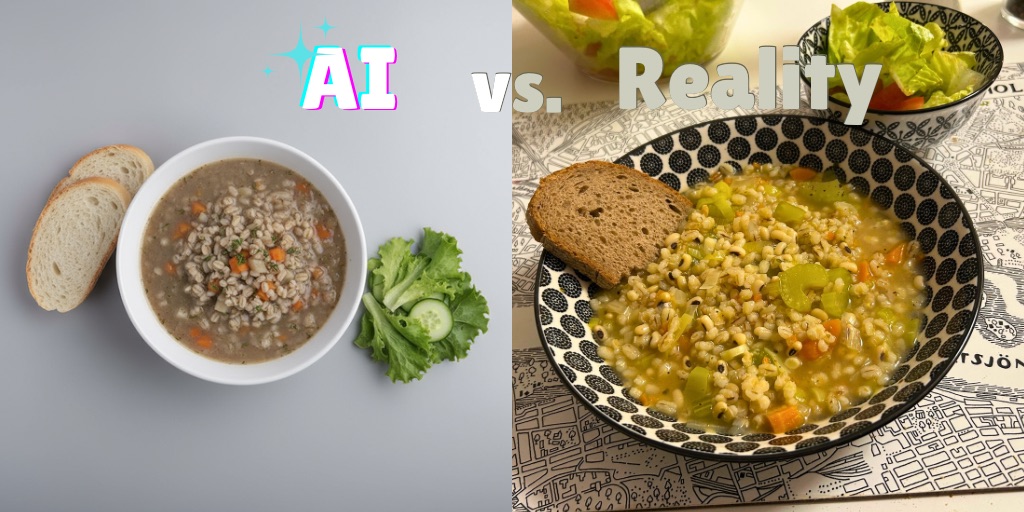
This recipe promised German comfort food but delivered the culinary equivalent of watching paint dry—though at least watching paint dry doesn’t require an hour of your life and a suspiciously large pot. What follows is our brutally honest assessment of how this dish performed when subjected to actual human taste buds.

Taste
If excitement had a nemesis, it would be this soup. Edible in the technical sense that it won’t cause immediate harm, but possessing roughly the same flavor profile as hot water that once dreamed of being interesting. We’ve rarely encountered something so determinedly flavorless—it’s almost impressive how thoroughly this dish avoided having any discernible taste whatsoever.

Portion Size
The recipe promised three servings, but what it delivered was an existential crisis of volume. The barley, those tiny, unassuming grains, swelled to an apocalyptic scale, easily yielding enough soup for five people to experience profound disappointment simultaneously.

Combination
The dish was less a combination of ingredients and more a hostile takeover by pearl barley. It dominated everything, a bland, starchy tyrant that crushed the spirits of the carrots and celery. The sheer volume of water created a soupy universe where barley was the only star, and every other ingredient was just lonely, tasteless space dust.

Texture
The one category where this dish achieves mediocrity rather than catastrophe. The texture was acceptable—not offensive, not exciting, just… there.

Spices
What spices? Did they get lost in the mail along with the excitement? We suspect they took one look at this recipe and booked the first flight to a more flavorful dish.

Timing
In a rare victory for predictability, the timing was spot on. The preparation was mercifully fast, a brief, painless prelude to the prolonged, flavorless main event. We appreciate the efficiency, if not the outcome.

Processing
The instructions were clear and easy to follow, a beacon of order in a sea of culinary chaos. One does, however, need a pot of comically large proportions to contain the barley’s relentless expansion.

Completeness
Nothing was missing from the recipe except, you know, taste. It’s technically complete in the way that a blank canvas is technically complete—all the materials are present, just not arranged in a way that creates anything memorable.

Environment
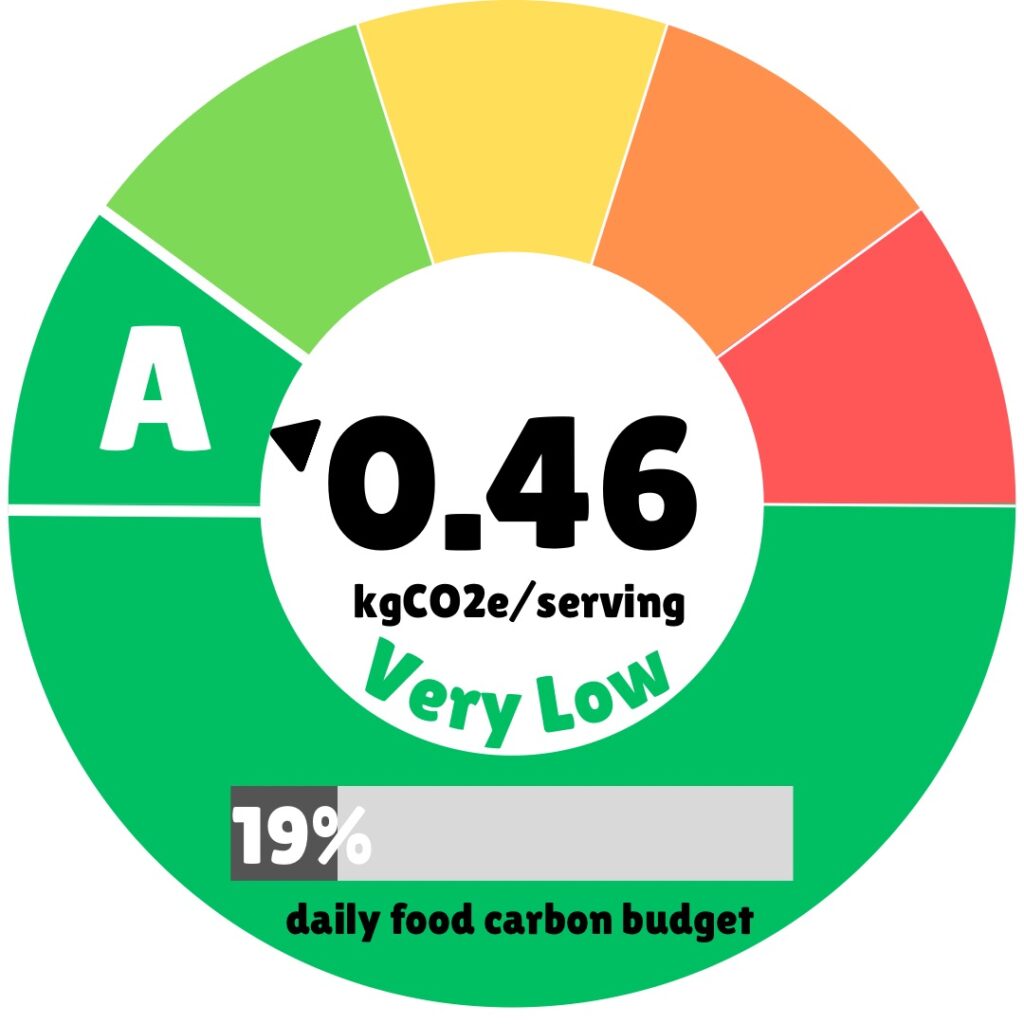
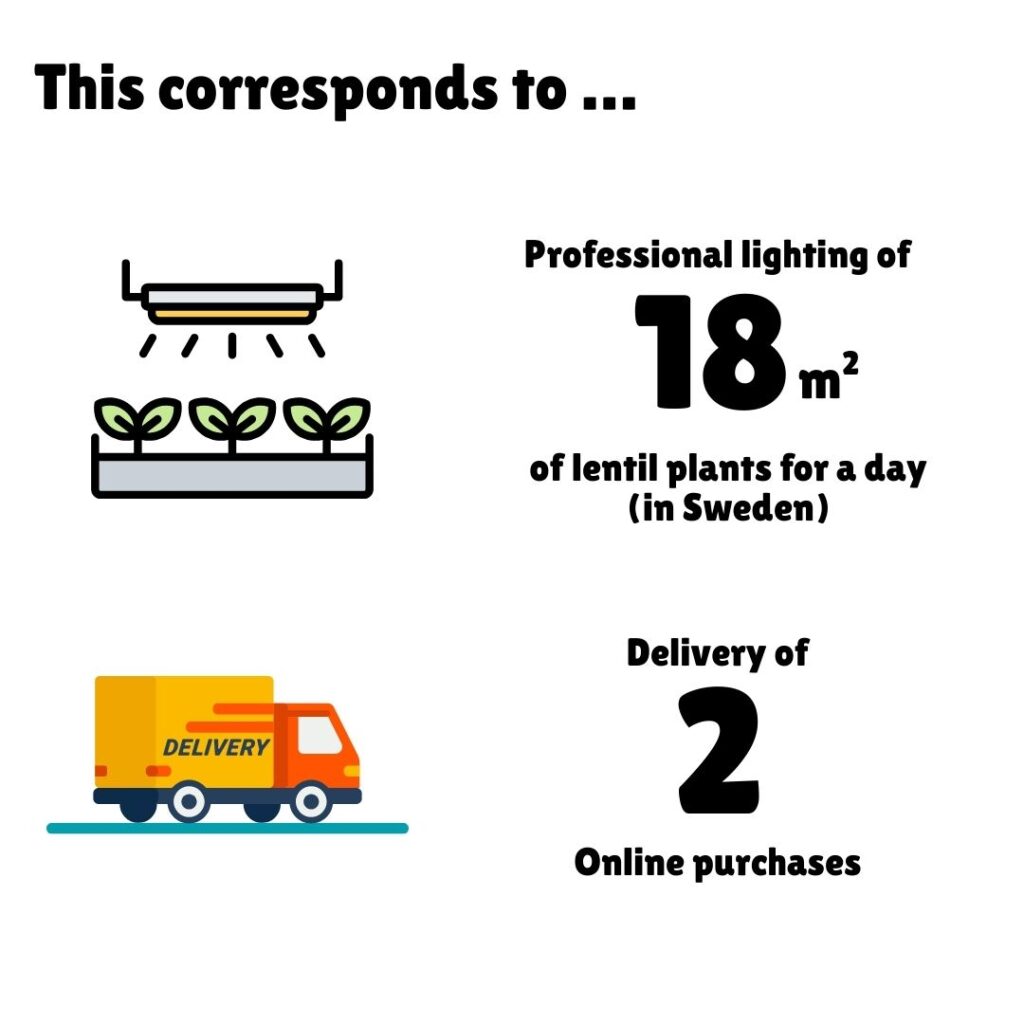
This recipe is so good for the environment it might actually heal the planet out of sheer, unadulterated blandness. Its carbon footprint is practically non-existent, a testament to its commitment to being as neutral as possible in every conceivable way.

Health
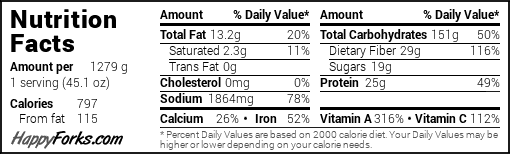
This German-Style Barley Soup meal is an excellent example of a dish that aligns with the EAT-Lancet Planetary Health Diet, thanks to its foundation of whole grains, high vegetable content, and use of plant-based proteins and fats. To further optimize its health profile, careful attention should be paid to managing the sodium content by using low-salt vegetable broth—though adding even less taste might constitute a genuine health hazard by inducing terminal boredom.

Tips for Redemption
- Use less barley. Unless your goal is to feed a small, culinarily depressed army, cut the amount in half.
- Add something with a personality. We hear spicy vegan sausage has a vibrant inner life. Smoked tofu might also be persuaded to join the party and bring some excitement.
- The ultimate food waste tip: Don’t make this recipe. Your compost bin will thank you, and your taste buds will erect a statue in your honor.