Authors: Cobaia Kitchen, GPT-5
Photos: Cobaia Kitchen, GPT Image 1
At Cobaia Kitchen, this Saturday-night crowd-pleaser sprang from a playful challenge to the newest GPT-5: whip up a plant-based, low–carbon-footprint dinner from our pantry list, allow sensible swaps from Swedish supermarkets, stick to our actual equipment, skip our dislikes, finish prep in under 30 minutes with two cooks, and lock portions to exactly four with reasonable calories—then package it like a tidy, blog-ready recipe. GPT-5 steered us to Moroccan vibes with a harira-style red lentil stew—fitting, since harira is a beloved Maghrebi soup traditionally enjoyed to break the fast during Ramadan, with roots in Amazigh foodways and a silky tomato-legume base perfumed by warm spices. That said, we did bump into some GPT-5 quirks: it chose Moroccan cuisine even though we’d already cooked something similar, and—like in other tests—it can struggle to honor constraints (previous drafts ignored our eggplant dislike, repeated earlier ideas, and forgot our square-image request). In the end, we picked this recipe anyway—not because we tuned or trimmed it to fit, but because it sounded more creative, we had most of the ingredients on hand, and we simply preferred it over the other suggestions. While the stew simmers, slip into Hassan’s story—a companion piece that pairs perfectly with a quiet kitchen and a ticking timer.
Please read the review before cooking!
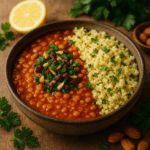
Harira-Style Lentils with Lemon Couscous
Equipment
- Large pot with lid
- Pan (small) for toasting nuts
- Cutting board and knives
- Sieve/colander
- Measuring cup and kitchen scale
- Wooden spoon and spatula
- Citrus juicer (manual acceptable)
Ingredients
Stew:
- 2 tbsp Olive oil
- 1 large Onion finely diced
- 2 medium Carrots diced
- 2 small Celery stalks diced
- 4 cloves Garlic minced
- 1.5 tsp Ground cumin
- 1 tsp Ground coriander
- 1 tsp Sweet paprika
- 1/2 tsp Smoked paprika
- 1/2 tsp Ground turmeric
- 1/4 tsp Chili powder optional, to taste
- 2 tbsp Tomato paste
- 1 can (400g) Diced tomatoes
- 1.25 cups (about 250g) Red lentils rinsed
- 1 l Vegetable broth
- 100 ml Oat whipping cream or vegan sour cream for creaminess, optional
- Salt and black pepper to taste
- 1 Lemon zest finely grated, juice reserved
- 2 tbsp Fresh parsley finely chopped (for finishing)
Couscous:
- 1.25 cups (about 200g) Red lentil couscous or 1 cup white quinoa as alternative
- 1.25 cups Vegetable broth
- 1 tbsp Olive oil
- 1 tbsp Lemon juice
- 2 tbsp Fresh parsley chopped
- Salt and pepper to taste
Date-Almond Gremolata:
- 1/3 cups (40g) Almonds roughly chopped
- 4 Dates pitted, inely chopped (or use raisins if preferred)
- 1 clove Garlic very finely minced
- 1 tsp Lemon zest fom the stew lemon
- 2 tbsp Fresh parsley finely chopped
- 1 tsp Olive oil to bind
- Pinch of salt
Instructions
Stew:
- Prep the veg: Finely dice onion; small-dice carrots and celery; mince garlic; rinse red lentils in a sieve until water runs clear.
- Build the base: Heat 2 tbsp olive oil in a large pot over medium heat; add onion, carrots, and celery with a pinch of salt, sauté 6–8 minutes until softened.
- Bloom spices: Add minced garlic, cumin, coriander, sweet and smoked paprika, turmeric, and chili powder; stir 30 seconds until fragrant.
- Tomato umami: Stir in tomato paste; cook 1 minute to caramelize.
- Simmer: Add diced tomatoes, rinsed red lentils, and 1 liter vegetable broth; bring to a boil, then reduce to a gentle simmer, lid ajar, 20–25 minutes until lentils are tender and stew is thick.
- Finish: Stir in oat cream (optional) for silkiness, lemon juice to taste, and 2 tbsp chopped parsley; season with salt and pepper.
Couscous:
- Hydrate: Bring 1.25 cups broth to a boil; remove from heat, stir in red lentil couscous, cover 5 minutes; fluff with fork.
- Season: Fold in 1 tbsp olive oil, 1 tbsp lemon juice, parsley; season with salt and pepper.
Date-Almond Gremolata:
- Toast: In a dry pan, toast almonds over medium heat 2–3 minutes until fragrant; cool slightly.
- Chop and mix: Finely chop dates and parsley; mince garlic; combine with toasted almonds, lemon zest, 1 tsp olive oil, and a pinch of salt to form a loose crumb.
Plate:
- Spoon lemon-herb couscous into bowls; ladle the smoky harira-style stew over; sprinkle a generous spoon of date-almond gremolata on top; finish with a drizzle of olive oil and extra parsley if desired.
Notes
Serving suggestions:
- Add a side salad of sliced cucumbers and tomatoes with a splash of white balsamic and olive oil for freshness.
- Warm naan bread (from freezer) or toasted sourdough for dipping if extra carbs are desired.
- For heat lovers, a few drops of sriracha on top.
- Cereals containing gluten (from couscous made with wheat unless using a certified gluten-free alternative; oats also count as a cereal containing gluten unless certified gluten-free)
- Nuts: almonds (in the date–almond gremolata)
- Celery (celery stalks in the stew)
- Soybeans (only if a soy-based vegan cream is used; check product label)
- Sulphur dioxide/sulphites >10mg/kg or >10mg/L (possible in some processed ingredients like certain vegetable broths, tomato products, or preserved lemon products; check labels)
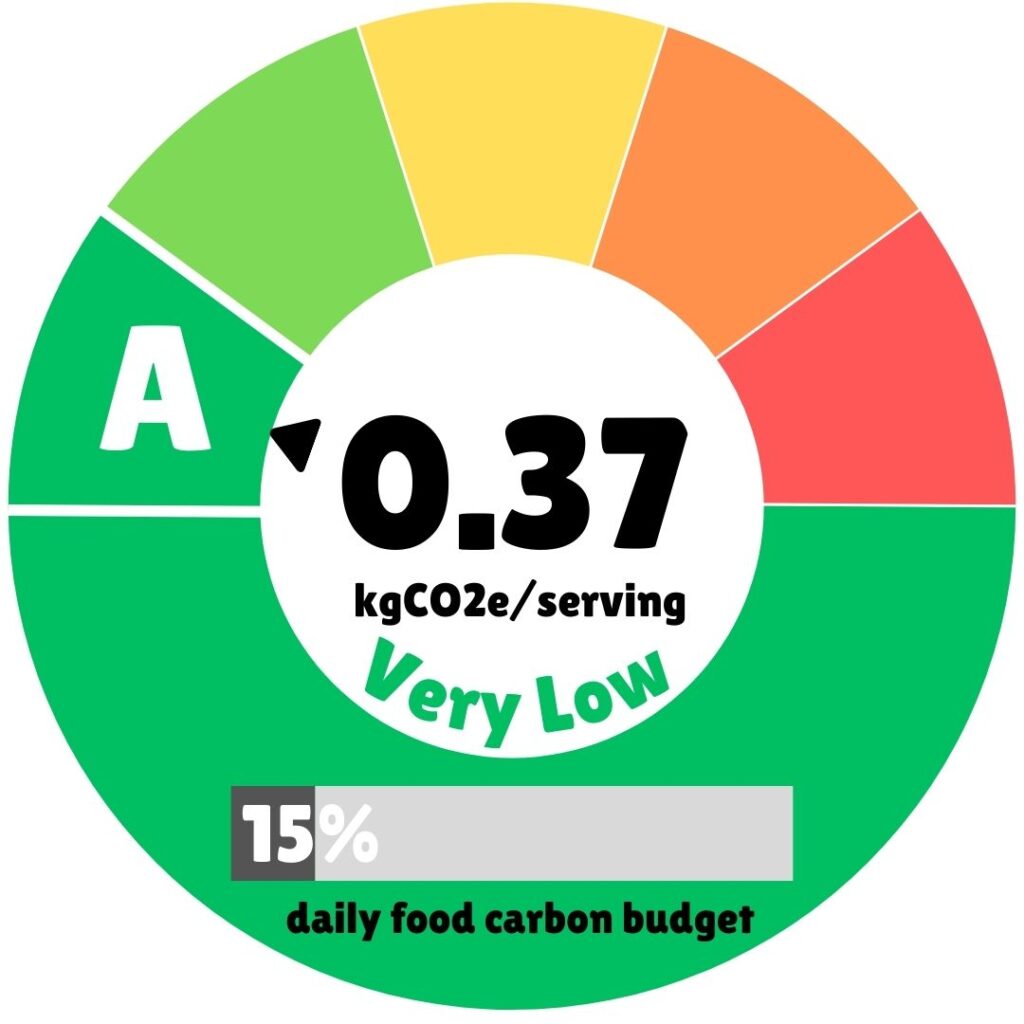
Emission Hotspots:
- While canned tomatoes are convenient, they carry a higher environmental cost than their raw counterparts.
- Shop to home transportation, if a combustion car is used
Sustainability tips:
- Eat leftover stew on the next day with a different type of grain, and make extra gremolata with leftover parsley
- Grain choices: Use whole-grain or legume-based couscous, bulgur, millet, or quinoa. Whole grains tend to be less processed and more nutrient-dense; legume-based grains add protein, potentially reducing portions needed.
- Freeze single portions for an easy future meal
- Seasonal, local produce: Choose in-season onions, carrots, celery, and lemons where possible to reduce storage and transport emissions.
- Finely chop parsley stems for the stew base; use leaves for gremolata. Any leftover gremolata freezes well in ice-cube trays.
- Walk or bike to the supermarket and farmer’s market to cut transportation emissions
- Cook the grains or the stew in a rice cooker (e.g. the Reishunger Digital Reiskocher) to save some energy
- Guinea pigs 🐹 will love any leftover parsley, celery and carrots

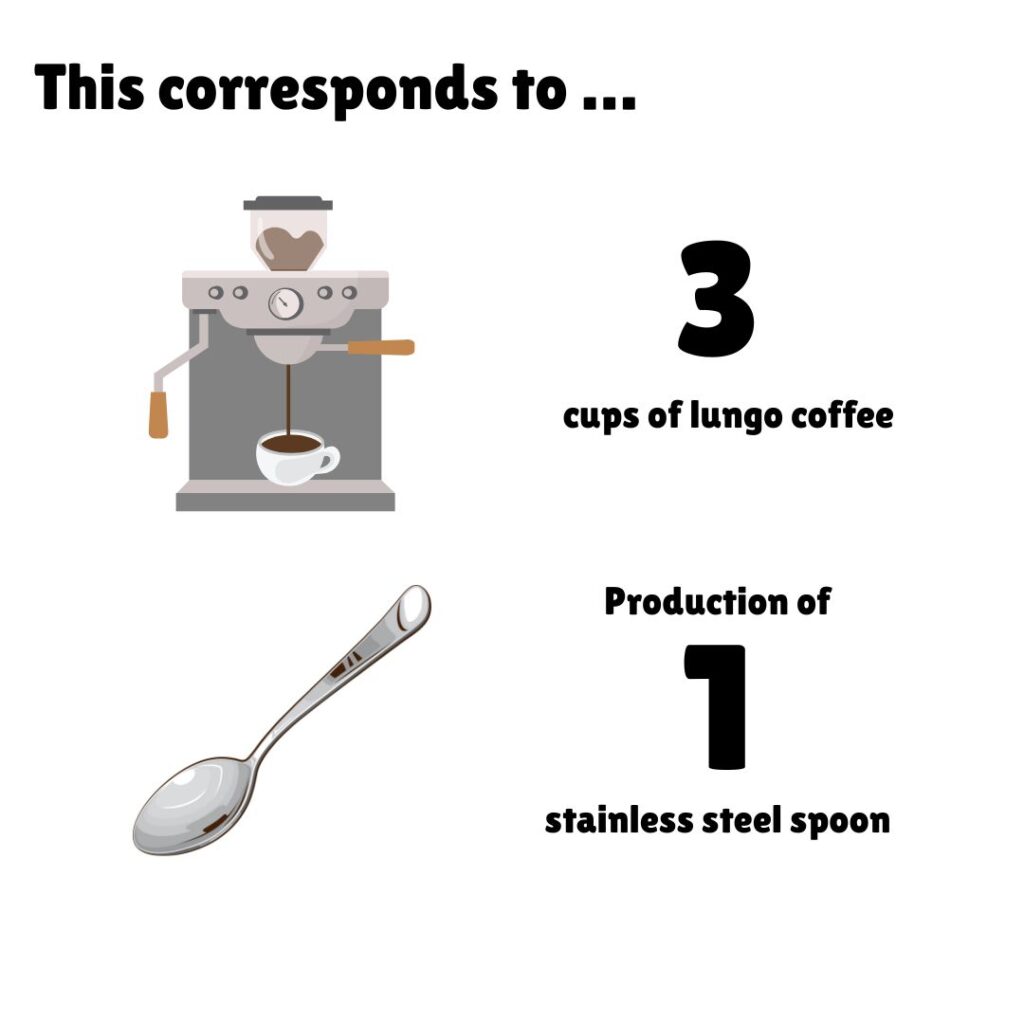
Carbon Footprint
Featured Story
The Inventory of Lost Things

The first thing he noticed was silence where flavor should be. Hassan, who used to calibrate a tagine by the sigh of steam and the invisible geometry of cumin in the air, woke from his Covid fever to a kitchen without edges. Taste and smell had been his ledger, his alarm system, his map; now the world arrived as texture and temperature, a geography of lukewarm and granular. The clinic called it psychosomatic. The specialist suggested mindfulness. The insurance clerk asked for “objective evidence of missing aromas.” He was handed a brochure about resilience and sent back to the stove.
He had never written anything down. Why would he? His recipes had lived in the hinge between nose and tongue, a choreography of heat and instinct. Without those senses, his movements became pantomime. The harira sat obediently on the pass, but regulars pushed back their bowls after two spoons, faces pinched with unspoken grief. “It’s fine,” they lied, and then they stopped coming. Staff hours dwindled to ash; the accountant printed out cashflow graphs like autopsy photos. When the landlord knocked, Hassan considered explaining that what he’d lost wasn’t a job but a language, and there was no translator.
At night he tested the old remedy: alcohol. It tasted metallic, like chewing a coin in a thunderstorm. Still, it numbed the edges enough that he could inventory his failures without flinching. He drank alone at a corner table, ordering his own stew as if he were a stranger passing through. The bottle gave him a sloppy mercy, a counterfeit warmth that said tomorrow would be different, that memory could season food if he shook it hard enough. The next morning was always a courtroom: the mouth a witness, the stomach the judge.
The second infection ended even that negotiation. Two sips and his gut revolted, a hard, bureaucratic refusal. No anesthesia now, no counterfeit warmth—just the unpaid bills in their transparent envelopes and a chef’s coat that smelled of nothing at all. He locked the door of the restaurant because he had to, not because he was finished; finished implies intention. On the last night, he sat in the kitchen listening to pots cool, translating the quiet as best he could. Outside, the city exhaled dinner into the air. He couldn’t smell it. He wouldn’t sleep. And in the morning, there would be no one left to convince that anything had ever tasted otherwise.
Culinary Reality Check
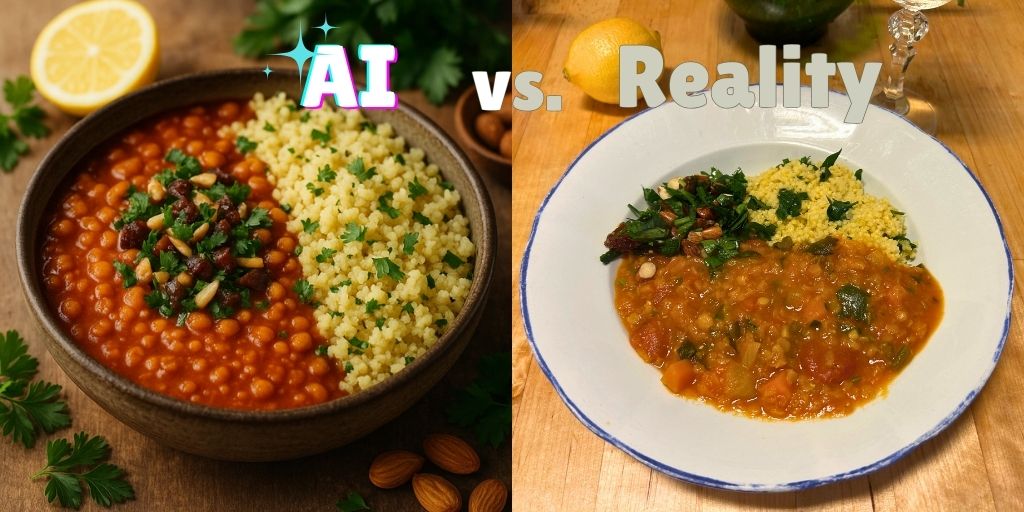
A well-composed, quietly confident recipe that rewards attention. It asks for a steady hand and two sets of weekend shoulders, but pays back with brightness, warmth, and a garnish that refuses to stay a garnish. Expect a dish that feels celebratory without theatrics, and a table that goes suspiciously silent whenever the gremolata appears.

Taste
Bright, layered, and unmistakably welcoming—the lemon in the couscous lifts the whole plate. A gift to parsley loyalists and a reliable choice before, during, or after a gathering. Special-occasion worthy without being fussy, the gremolata draws unanimous praise and inevitable requests for “more.”

Portion Size
Targets four servings and lands close. Proportions benefit from adjustment at the table: the stew arrives generous while the couscous plays it more restrained. Extra gremolata helps balance the equation; leftovers take kindly to a side of rice, stretching the yield to six to eight portions across a couple of meals.

Combination
The core trio—stew, couscous, gremolata—works in deliberate harmony. Additional bread feels redundant and stylistically off; the plate stands confidently on its own. Dates in the gremolata prove a savvy choice, delivering sweetness without the cloying nostalgia of raisins.

Texture
Sound execution throughout: tender lentils, fluffy grains, and a crisp, nutty crown. Nothing requires amendment or apology.

Spices
A measured, confident blend—fragrant without showboating. Lemon and parsley in the sides provide exactly the right kind of clean finish to balance the stew’s deeper notes.

Timing
The ingredient list is long enough to demand proper mise en place and a calm timeline. Expect a few extra minutes to keep additions ordered and the kitchen coherent—this isn’t a dish that forgives chaos gracefully.

Processing
Instructions are plainspoken and trustworthy; follow them faithfully and the dish arrives as promised. No hidden steps or mysterious techniques that require culinary divination.

Completeness
No gaps in sight—components and guidance are intact and sufficient. Everything needed to succeed is accounted for and clearly explained.

Environment
Plant-forward and light on the planet; a climate-friendly bowl with real substance. The kind of meal that lets you eat well while keeping your environmental conscience clean.

Health
Aligns beautifully with Planetary Health Diet principles: legume-based protein, vegetables forward, unsaturated fats taking the lead, minimal added sugars, and manageable sodium levels. Whole-grain or legume-based couscous and a low-sodium broth would make the alignment even tighter without changing the dish’s essential character.

Tips for Redemption
- Make at least double (better: triple) the gremolata—you’ll be grateful for the surplus
- Serve with any favorite grain or pseudograin: couscous, bulgur, quinoa, millet, or rice all fit the brief perfectly