Authors: Cobaia Kitchen, GPT-5, Claude Sonnet 4.0 Thinking
Photos: Cobaia Kitchen, Imagen 4, GPT-Image-1
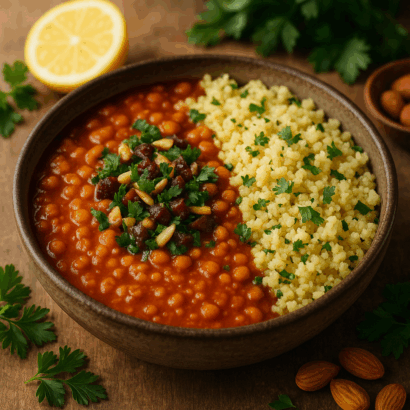
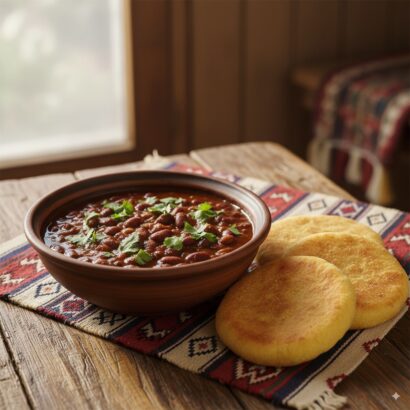
This vibrant Nicaraguan-inspired dish was born from an exciting culinary challenge: asking the new GPT-5 model to create a plant-based, low-carbon footprint dinner recipe using only ingredients available in Swedish supermarkets, while exploring a cuisine we’d never tried before and avoiding recently-used chickpeas. The AI deftly navigated our complex requirements, drawing inspiration from Nicaragua’s rich culinary heritage where Spanish colonial influences merged with indigenous ingredients like yuca (cassava) and beans to create hearty, communal stews called sancochado—traditionally slow-cooked meals that brought families together around the table. While the original recipe called for convenient frozen yuca, our supermarket adventures across Stockholm proved fruitless in that department, though we discovered that larger ICA stores often stock fresh cassava root. This serendipitous find actually elevated the dish, as peeling and preparing fresh yuca added an authentic, hands-on element that connected us more deeply to this Central American comfort food tradition, even if it did extend our prep time. And speaking of time, we’ve included the charming tale of Don Perdido Morales—a Nicaraguan cocoa farmer who gets wonderfully lost in his own agroforestry farm—perfect entertainment to enjoy while your sancochado simmers away.
Please read the review before cooking!

Red Bean Sancochado with Yuca and Mango
Equipment
- Large pot with lid
- Large skillet or sauté pan
- 2 mixing bowls
- Cutting board and chef’s knife
- Colander
- Wooden spoon and tongs
- measuring cups and spoons
Ingredients
Sancochado (hearty stew)
- 1 tbsp rapeseed oil
- 1 medium yellow onion finely diced
- 3 garlic cloves minced
- 1 red bell pepper diced
- 1 green bell pepper diced
- 2 medium carrots cut into 1cm half-moons
- 400 g waxy potatoes peeled and cut into 2cm chunks
- 1 tsp ground cumin
- 1 tsp sweet paprika
- 1 tsp dried oregano
- 1 bay leaf
- 400 g can red kidney beans drained and rinsed
- 400 g can crushed tomatoes
- 500 ml vegetable stock
- 1 tsp apple cider vinegar to finish
- Salt and black pepper to taste
Yuca with garlic-citrus mojo
- 800 g frozen yuca (cassava), chunks
- 2 tbsp rapeseed oil
- 4 garlic cloves thinly sliced
- 1 tsp ground cumin
- 1 tsp dried oregano
- 1-2 limes juiced (about 3 tbsp)
- 2 tbsp fresh orange juice or more lime if unavailable
- Salt to taste
- 2 tbsp fresh coriander chopped (optional)
Green mango slaw (ensalada)
- 1 firm green mango peeled and julienned (or 1 firm pear if mango unavailable)
- 1 small red onion very thinly sliced
- 1 small cucumber seeds scooped, thin matchsticks
- 2 tbsp lime juice
- 1 tbsp apple cider vinegar
- 1 tbsp neutral oil
- Pinch of sugar
- Salt and black pepper to taste
To serve
- Lime wedges
- Hot sauce optional
Instructions
Prep vegetables
- Onion: finely dice.
- Garlic: mince 3 cloves for stew; slice 4 cloves for mojo.
- Peppers: deseed and dice.
- Carrots: halve lengthwise and slice into 1cm half-moons.
- Potatoes: peel and cut into 2cm chunks; keep in cold water until needed.
- Mango/cucumber/onion for slaw: julienne and thin-slice as specified.
Start the sancochado base
- Heat 1 tbsp oil in a large pot (medium heat), add onion and a pinch of salt; sweat 3–4 minutes until translucent.
- Add minced garlic, peppers, and carrots; cook 3 minutes, stirring.
- Stir in cumin, paprika, oregano, and bay leaf; toast spices 30 seconds.
- Add potatoes, beans, tomatoes, and vegetable stock; bring to a simmer.
- Partially cover and simmer 25–30 minutes until potatoes and carrots are tender; season with salt, pepper, and finish with 1 tsp cider vinegar for brightness.
Cook the yuca and make mojo
- Boil yuca from frozen in salted water until fork-tender and splitting at the seams, 15–20 minutes; drain well.
- While yuca boils, warm 2 tbsp oil in a skillet on low; add sliced garlic and gently cook until just golden (2–3 minutes), then add cumin and oregano for 10 seconds off the heat.
- Stir in lime juice, orange juice, and salt to make a fragrant mojo.
- Toss drained yuca with the warm mojo; taste and adjust salt/acid; sprinkle chopped coriander if using.
Make the green mango slaw
- In a bowl, whisk lime juice, cider vinegar, oil, a pinch of sugar, salt, and pepper.
- Add julienned green mango, sliced red onion, and cucumber; toss and let marinate 10 minutes.
Final adjustments
- If the stew is too thick, splash in hot water; if too thin, simmer uncovered 2–3 minutes.
- Remove bay leaf; taste and adjust seasoning.
Serve
- Ladle the sancochado into bowls.
- Add a generous side of mojo yuca and a mound of green mango slaw.
- Serve with lime wedges and optional hot sauce.
Notes
⚠️ Important Note: Using Fresh Cassava Root
If you can only find fresh cassava root: Fresh cassava requires significantly more preparation than frozen and must be handled safely. Always peel completely (remove both brown skin AND thick white layer underneath) and cook thoroughly until fork-tender. Never eat raw — unlike pre-processed frozen cassava, fresh root contains compounds that are neutralized through proper peeling and cooking. Add 15-20 minutes to your prep time for peeling. Fresh cassava needs the same boiling time but requires this extra preparation step. The upside: Fresh cassava often has superior texture and flavor, making the effort worthwhile!Serving suggestions:
Allergens:
- Celery — commonly present in commercial vegetable stock/bouillon.
- Check the ingredients of the hot sauce, if using.
Emission Hotspots:
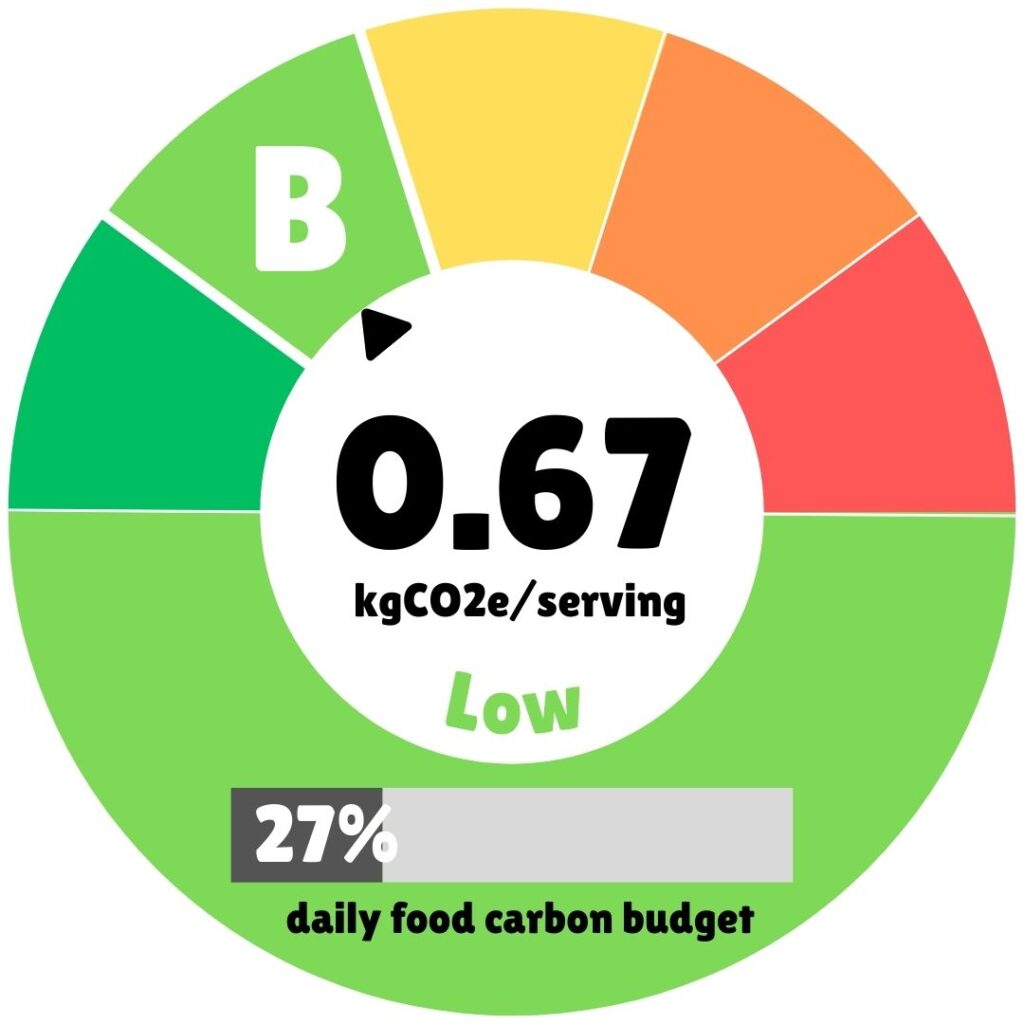
- While canned tomatoes and beans are convenient, they carry a higher environmental cost than their raw counterparts.
- Shop to home transportation, if a combustion car is used
Sustainability tips:
- This stew tastes even better the next day, and leftover yuca can be pan-fried
- Buy dried beans: cook large batches and freeze portions instead of using canned to minimize packaging waste and transport emissions.
- Double the recipe and freeze portions to reduce cooking energy per serving over time
- Seasonal, local produce: Choose in-season onions, carrots, potatoes, and pepper where possible to reduce storage and transport emissions.
- Walk or bike to the supermarket and farmer’s market to cut transportation emissions
- Cook the stew in a rice cooker (e.g. the Reishunger Digital Reiskocher) to save some energy
- Guinea pigs 🐹 will love any leftover cucumber, peppers, carrots and cilantro
Carbon Footprint
Featured Story
Lost in the Agroforest
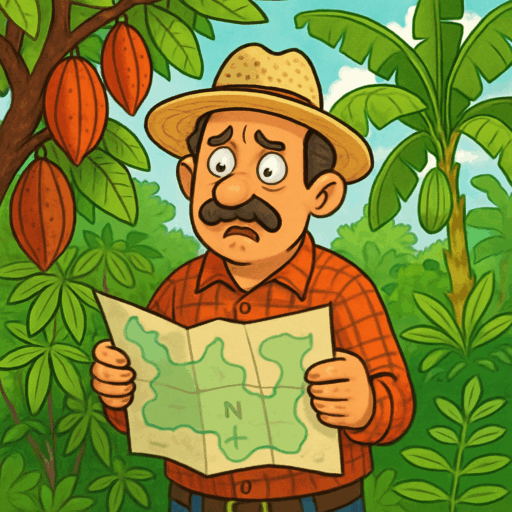
Don Perdido Morales was a man of habit. For decades, his cocoa farm was as neat as a pin, with rows so straight and orderly you could have used them as a guide to the North Star. Problem was, Don Perdido himself couldn’t find North if it sat on his shoulder and whispered in his ear. Then came the news, unwelcome as a rainstorm in the dry season, that monoculture was out and agroforestry was in. Shade trees! Cassava between the cocoa! A jungle, they said, right on his neat farm.
Don Perdido felt his world turn sideways, much like the young cocoa saplings he’d just planted among his cassava. It was a new world order, where plants grew wild in harmony—a bit like a family reunion with too many cousins and no seating plan. By the time the canopy grew thick and the undergrowth claimed territory like it was the crown jewel, Don Perdido was often the one wandering lost in his own creation. It had the ambiance of an ironic fable: a man named Lost, really lost.
Every evening, like clockwork, six-year-old Esperanza was sent with a dinner basket and an air of determined resignation to find her father. She’d whistle old folk tunes, traverse a maze that no GPS could decode, and return victorious, father in tow, scraping mud off her little boots—and his dignity. The neighbors even started placing bets on how long he’d be missing. “Twenty minutes today,” Doña Carmen would call out. “Nah, he’s really lost this time—forty-five,” her husband would counter, not looking up from his own perfectly navigable vegetable patch.
Come harvest, the farm was a buzzing success. Cocoa pods hung heavy, the cassava roots plumped with promise, and Don Perdido finally learned that farming wasn’t just about lines on a map, but letting life draw its own. The forest might have swallowed him whole now and then, but his daughter’s steady presence brought him back. And in that mix of chaos and care, Don Perdido found a strange kind of order. As he liked to tell anyone who’d listen, usually while Esperanza rolled her eyes in the background, “Sometimes the best compass is a six-year-old with a good sense of direction and a loud whistle.”
Culinary Reality Check
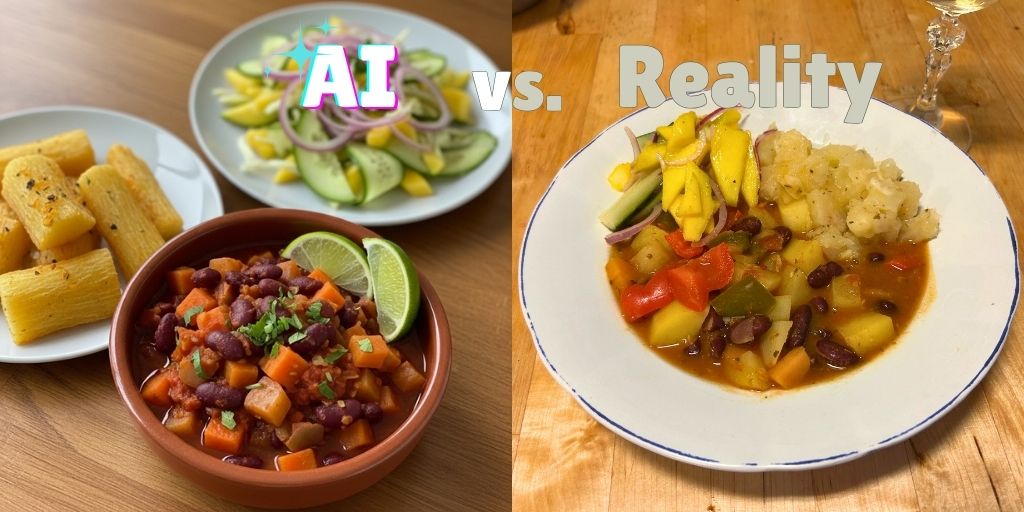
After embarking on this ambitious culinary expedition—complete with fresh cassava negotiations, spice blend orchestrations, and the sort of weekend cooking project that makes you feel both accomplished and slightly exhausted—we’re ready to deliver our honest assessment. What follows is our detailed breakdown of how this Nicaraguan-inspired feast performed in the real world, beyond the romantic notions of recipe cards and ingredient lists. Because while dreaming about exotic stews is delightful, actually cooking them with real deadlines, real grocery stores, and real family members with opinions is where the culinary rubber meets the road.

Taste
A delightfully complex symphony of flavors that transforms humble beans into something worthy of weekend celebration. The dish strikes that perfect balance between “familiar enough not to scare the neighbors” and “exotic enough to make you feel worldly.” One young critic declared the yuca “suspiciously potato-like but wrong somehow”—which is perhaps the most honest review cassava has ever received. The mango slaw provides a bright, tropical counterpoint that makes the whole meal feel like a small vacation.

Portion Size
This recipe operates on the generous principle that it’s better to have too much good food than too little. What we optimistically planned for four turned into a feast that could have satisfied six moderately enthusiastic eaters or four people with the appetite of lumberjacks. The yuca, in particular, seemed to multiply like a mathematical miracle—800g of fresh root (including the surprisingly thick peel) proved overly ambitious; 600g would have been the wiser choice.

Combination
The trio of stew, garlicky yuca, and tangy slaw works together with the sort of harmony usually reserved for well-rehearsed orchestras. Nothing feels superfluous, nothing feels missing—it’s a complete culinary conversation that requires no additional commentary or side dishes.

Texture
The cassava achieved a texture somewhere between “perfectly tender” and “enthusiastically soft,” possibly due to our cautious overcooking born from reading one too many internet warnings about proper root vegetable preparation. First-time cassava adventurers, it turns out, tend toward the “better safe than sorry” approach to boiling times.

Spices
The spice blend performs admirably, creating layers of warmth and complexity. However, the generously portioned yuca proved to be something of a flavor sponge, absorbing the citrusy mojo with the efficiency of a kitchen towel, suggesting that either more sauce or less cassava might tip the balance toward optimal tartness.

Timing
This is not a weeknight dash-to-dinner recipe, but rather a leisurely weekend project that rewards patience and planning. The ingredient list reads like a small grocery expedition, and keeping track of all the moving parts requires the organizational skills of someone who actually uses kitchen timers. Fresh cassava adds an additional quarter-hour of prep time—a fact worth noting for those operating on optimistic cooking schedules.

Processing
The instructions navigate you through this culinary adventure with the clarity of a well-written travel guide, leaving little room for confusion or creative misinterpretation. Each step builds logically on the previous one, making the complex feel manageable.

Completeness
The recipe delivers exactly what it promises—a complete, satisfying meal that requires no supplements, additions, or apologetic explanations. Everything you need is here, clearly explained and properly portioned.

Environment
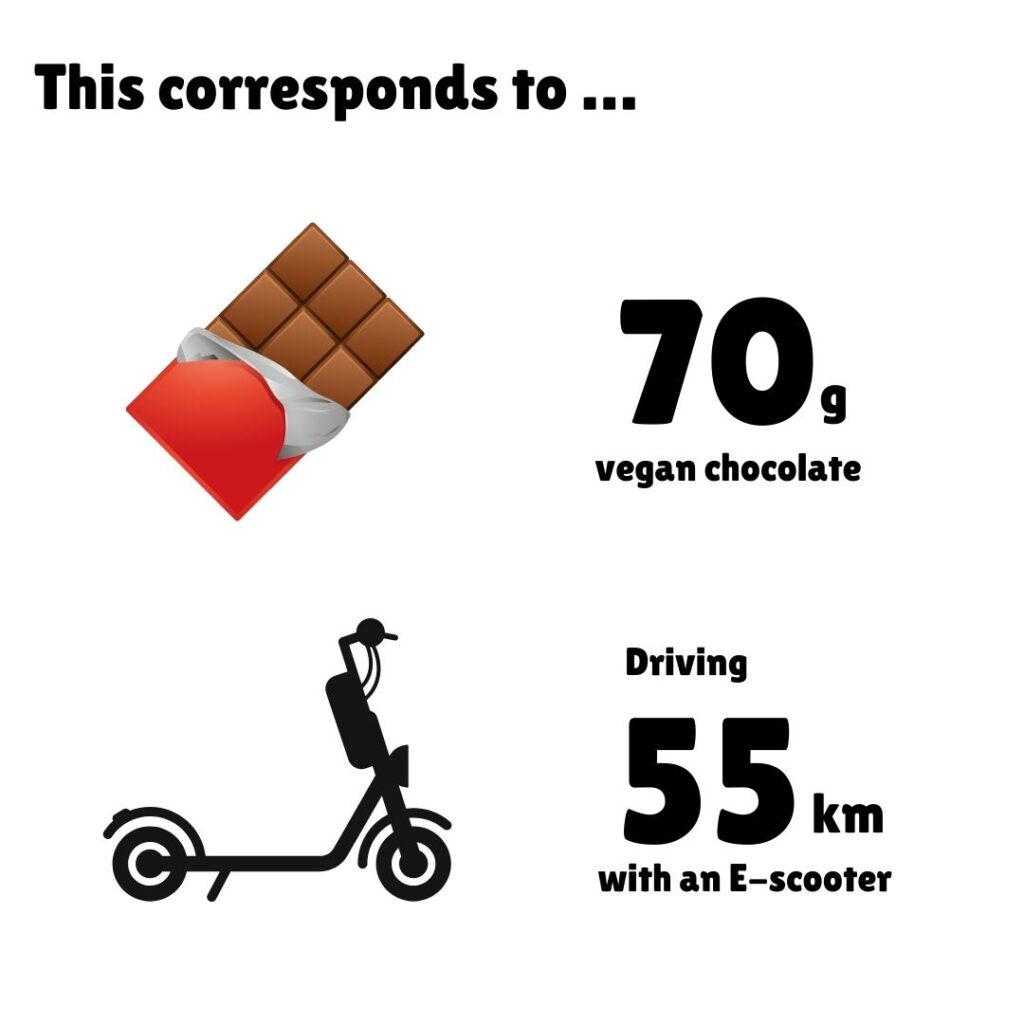
This plant-forward feast treads lightly on the planet, embodying the sort of low-carbon cooking that makes both your conscience and your climate-conscious friends happy. It’s the kind of meal that proves sustainable eating doesn’t require sacrificing flavor or satisfaction.

Health
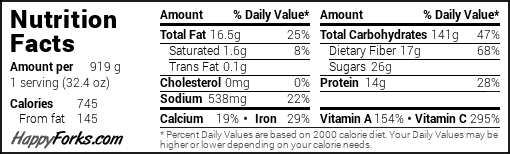
This vibrant plant-based Sancochado fits well within the EAT-Lancet Planetary Diet recommendations, highlighting a bounty of fruits, vegetables, and legumes, while excluding animal products. Though the portions of starchy vegetables like yuca and potatoes slightly exceed the suggested limits, the recipe still stands out as a nutrient-packed, environmentally mindful choice nurturing both individual well-being and ecological balance.

Tips for Redemption
Consider this your friendly reminder that cassava confidence comes with experience—don’t be afraid to test for doneness rather than hoping for the best. Also, a slightly smaller cassava mountain will let the other flavors shine more brightly in the final dish.