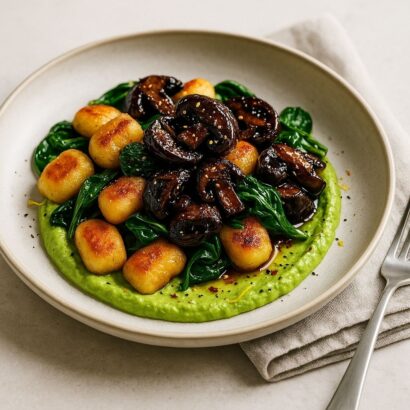
Authors: Cobaia Kitchen, Claude Opus 4.5, Gemini 3 Pro
Photos: Cobaia Kitchen, Google Imagen 4 Ultra, Nano Banana
Let’s face it: our relationship with AI chefs has been generally great, but our dynamic with Claude specifically has felt a bit… stagnant. After a string of recipes from Claude Sonnet that were perfectly edible but lacked that spark, we were ready to move on. But then Perplexity dropped a trial of the shiny new Claude Opus 4.5, and like the hopeful partner who keeps going back to a dysfunctional relationship thinking “maybe he’s changed,” we decided to give him one last shot. The result? Well, it was certainly more creative than usual, but let’s be honest: of course he hasn’t changed.
We fed the new model a prompt stricter than a German tax audit: seasonal December ingredients only, zero repeats of past dishes, and absolutely no boring soups. It delivered this Turkish-inspired roasted cauliflower with red lentil pilaf, which we tried to follow faithfully. But naturally, complications arose—the supermarket was mysteriously out of pine nuts (hello, sunflower seeds), and the parsley? Let’s just say the blog’s namesakes—our guinea pigs—got to it first. They regret nothing.
This dish isn’t just a compliance exercise; it’s a history lesson on a plate. Pilaf has been the backbone of Turkish cuisine since Ottoman times, when palace cooks whipped up 27 different variations just to keep the Sultan from getting bored. It was traditionally the grand finale of feasts, studded with nuts and dried fruits—a Persian-influenced flourish we’ve kept here. Then there’s the tahini drizzle, a sauce with roots going back to 3500 BCE. Combined with warm spices like cumin and paprika, this meal is a delicious nod to the ancient spice trade—and the perfect comfort food for Aylin, the protagonist of our story below, who finds solace in these very flavors after fleeing the EU’s crumbling sustainability regulations for a new life in Istanbul.
Please read the review before cooking!

Turkish-Style Roasted Cauliflower & Lentil Pilaf
Equipment
- Oven with convection
- Baking sheet with baking paper
- Rice cooker or pot with lid
- Small mixing bowl
- Kitchen knife and cutting board
- garlic press
- kitchen scale
- Whisk
Ingredients
For the Roasted Cauliflower:
- 1 medium head cauliflower ~600g, cut into bite-sized florets
- 2 tbsp olive oil
- 1 tsp smoked paprika
- 1 tsp cumin
- ½ tsp turmeric
- ½ tsp salt
- ¼ tsp black pepper
For the Red Lentil Pilaf:
- 120 g red lentils rinsed
- 150 g basmati rice rinsed
- 1 medium onion ~120g, finely diced
- 2 cloves garlic minced
- 1 tbsp olive oil
- 500 ml vegetable broth
- ½ tsp cinnamon
- ½ tsp allspice ground
- Salt to taste
For the Sumac-Tahini Drizzle:
- 3 tbsp tahini
- 2 tbsp lemon juice freshly squeezed
- 1 tbsp maple syrup
- 1 tsp sumac
- 3-4 tbsp warm water to thin
- Pinch of salt
For Garnish:
- 30 g pine nuts toasted
- Seeds of ½ pomegranate ~60g
- Fresh parsley roughly chopped
Instructions
- Preheat the oven to 200°C (convection). Line a baking sheet with baking paper.
- Prepare the cauliflower: Wash the cauliflower and cut into bite-sized florets (approximately 3-4 cm). Place in a large bowl, drizzle with 2 tbsp olive oil, and sprinkle with smoked paprika, cumin, turmeric, salt, and pepper. Toss until evenly coated. Spread florets in a single layer on the baking sheet.
- Roast the cauliflower for 30–35 minutes, flipping halfway through, until golden brown and crispy at the edges.
- Start the pilaf: While cauliflower roasts, peel and finely dice the onion. Peel and mince the garlic using a garlic press. Heat 1 tbsp olive oil in a pot over medium heat. Sauté the onion for 4–5 minutes until softened and lightly golden.
- Add aromatics and grains: Add garlic, cinnamon, and allspice to the onion. Stir for 30 seconds until fragrant. Add the rinsed red lentils and basmati rice, stir to coat in the spices.
- Cook the pilaf: Pour in the vegetable broth, bring to a boil, then reduce heat to low. Cover with a lid and simmer for 15–18 minutes until the liquid is absorbed and lentils/rice are tender. Remove from heat and let rest covered for 5 minutes. Fluff with a fork.
- Make the tahini drizzle: In a small bowl, whisk together tahini, lemon juice, maple syrup, and sumac. Add warm water gradually, whisking until you reach a pourable consistency. Season with a pinch of salt.
- Toast the pine nuts: In a dry pan over medium-low heat, toast the pine nuts for 2–3 minutes, stirring frequently, until golden. Set aside.
- Assemble: Divide the pilaf among 3 plates or shallow bowls. Top with roasted cauliflower florets. Drizzle generously with the sumac-tahini sauce. Garnish with pomegranate seeds, toasted pine nuts, and fresh parsley.
Notes
Serving suggestions:
Allergens:
- Sesame (from tahini in the sumac-tahini drizzle)
- Tree nuts (from pine nuts used as garnish)
Emission Hotspots:
- The rice represent the recipe’s primary carbon emission hotspot due to rice cultivation’s methane-intensive paddy farming
- Shop to home transportation, if a combustion car is used
Sustainability tips:
- Use a rice cooker for the pilaf base.
- Roast the cauliflower in an air fryer instead of the oven if you have one; air fryers heat a smaller space and are more energy‑efficient and faster than conventional ovens.
- Choose seasonal, locally grown cauliflower to reduce transport and storage emissions while supporting regional farmers.
- Store leftovers in airtight containers and reheat for lunch the next day—using a microwave for quick, low‑energy reheating.
- Compost your vegetable trimmings, turning them into nutrient-rich soil instead of landfill waste.
- Walk or bike to the supermarket and farmer’s market to cut transportation emissions
- Make your guinea pigs 🐹 happy by giving them remaining parsley and cauliflower leaves

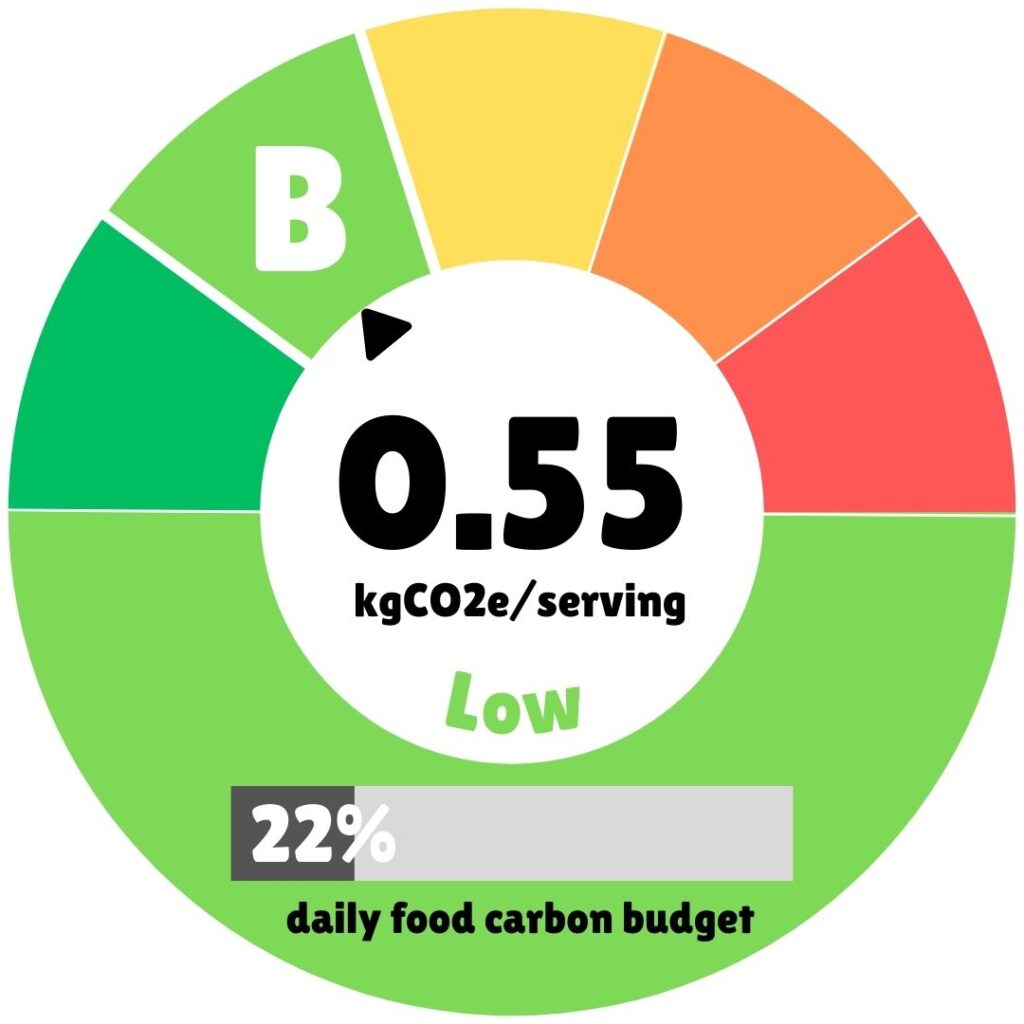
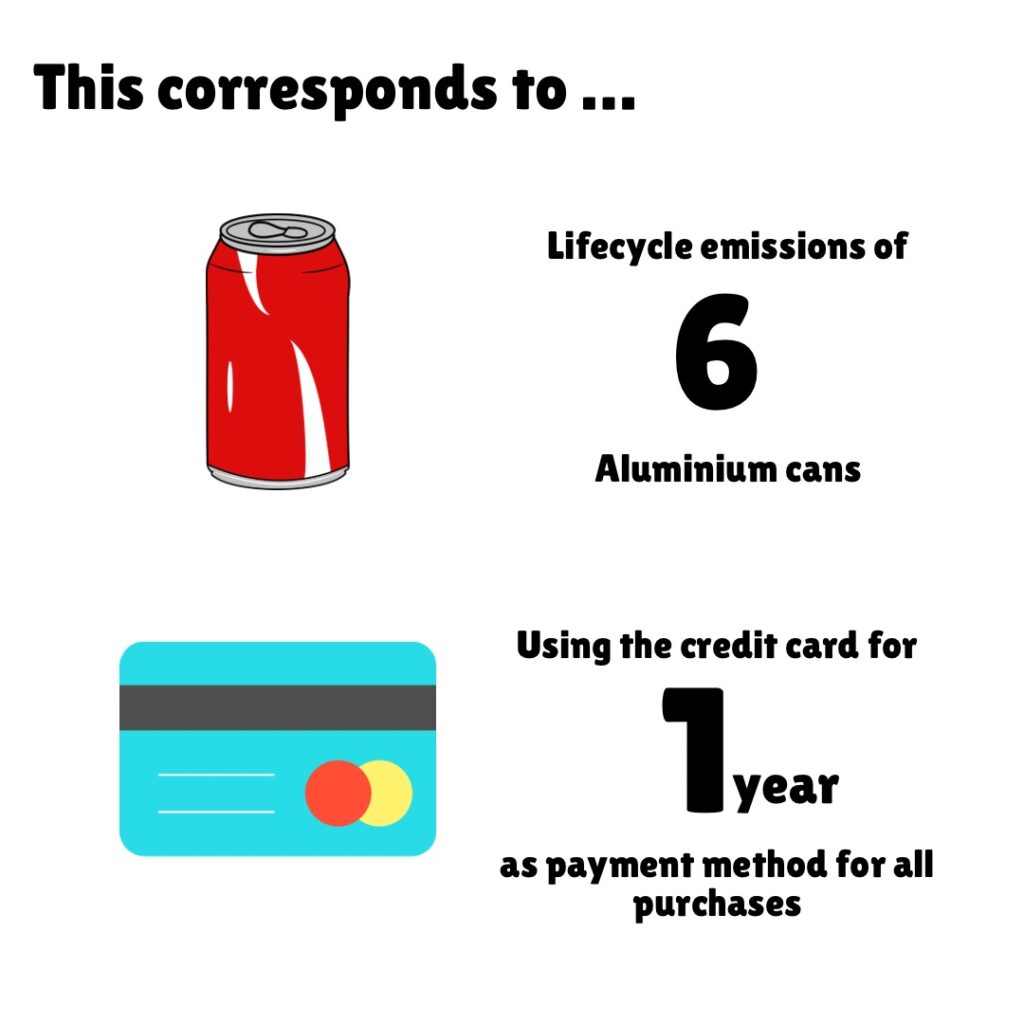
Carbon Footprint
Featured Story
The Compliance Refugee

Aylin was, for a brief, glorious fiscal year, the uncrowned queen of Berlin’s sustainability tech scene. Her startup’s software translated the EU’s towering ambition into soothing, pastel-colored dashboards that made stressed-out CFOs feel like Captain Planet. Her Total Addressable Market was essentially “anyone in Europe who turned on a light switch,” and her valuation was so high it gave her vertigo. She had thirty data scientists teaching AI to smell greenwashing, and her roadmap was synced perfectly with Brussels. She was going to save the world, one mandatory disclosure field at a time, and get fantastically rich doing it.
Then came “Omnibus.” It sounded like a friendly public transport vehicle but hit the job market like a freight train loaded with pink slips. In a panic about “competitiveness,” the EU decided that counting carbon was simply too much to ask of anyone smaller than a nation-state. Thresholds skyrocketed from 250 employees to 1,750, and revenue requirements jumped to a staggering €450 million. Overnight, 92% of her potential clients were legally excused from caring about the planet. Companies that had been hastily assembling ESG teams suddenly realized they could fire them all before the probation period ended. LinkedIn turned into a digital graveyard of “Open to Work” banners from thousands of newly minted sustainability experts who had pivoted their careers for a green boom that was cancelled due to lack of interest.
Investor meetings became exercises in surrealist theater. One VC, wearing a fleece vest made from recycled ocean plastic, suggested she pivot to “gamified voluntary impact storytelling,” which Aylin correctly translated as “going out of business.” Another asked if the software could track office birthday parties instead. She spent her days doom-scrolling regulatory updates, watching the self-proclaimed “climate continent” busily shredding its own rulebook to save mid-sized paperclip manufacturers from the “burden” of transparency—ironically ensuring they’d be completely unprepared when global supply chains inevitably demanded the data anyway. She was a CEO of a compliance firm in a continent that had decided compliance was a vibe rather than a law.
Salvation arrived in a PDF forwarded by her cousin in Ankara. While Brussels was busy swinging the deregulation machete, Turkey had quietly rolled out the TSRS—sustainability standards that kicked in at just 250 employees and €30 million in revenue. Aylin stared at the document, blinking. The regulatory rigor she had built her entire platform around hadn’t died; it had just emigrated. Turkey, of all places, was now the promised land of mandatory Scope 3 disclosures, capturing thousands of companies the EU had just decided were “too small to matter.”
Three months later, Aylin was looking out over the Golden Horn, eating a pomegranate pilaf she hadn’t had time to cook in Berlin. Her new Istanbul office was bustling, staffed by a brilliant team of European expats who had fled the EU’s sustainability employment wasteland. They were fielding calls from Turkish conglomerates terrified of the audit requirements that their European counterparts had successfully lobbied away. She had become a sort of regulatory refugee, fleeing the “red tape reduction” of Western Europe for the warm embrace of Turkish bureaucracy. It was the most absurd pivot in startup history, but as she watched the Bosphorus ferries churn the water, she couldn’t help but laugh: she had finally found a market where saving the planet was still considered a mandatory line item.
Culinary Reality Check

Verdict: Not quite a unicorn, but definitely not a regulatory failure. A solid Series A attempt.

Taste
Acceptable, bordering on “good,” but lacking strategic alignment. To quote my lead taste-tester (who has zero tolerance for scope creep): “The flavor portfolio is too diversified for a single fiscal quarter.” It felt like a merger of two companies that haven’t quite integrated their cultures yet.

Portion Size
We requested a headcount for three, and the model landed in the ballpark—at least on a weighted average. The cauliflower budget was tight (enough for 2–2.5 FTEs), while the pilaf had enough surplus capacity to feed a small subsidiary (3.5–4 persons).

Combination
Visually, the dish has excellent UI, mostly thanks to the pomegranate seeds acting as colorful KPIs. However, the backend logic is glitchy. The pomegranates were aggressively sour—like an unsolicited audit—and distracted from the core product. A shame, really, as we usually love that particular feature.

Texture
The pilaf suffered from significant latency issues. The initial liquidity evaporated before the assets (rice/lentils) were fully vested. We injected additional capital (bouillon), which unfortunately led to a “sticky mess” scenario rather than a clean exit. Requires a more experienced project manager to execute correctly.

Spices
The spice stack is functional but unbalanced. The pilaf felt painfully neutral—like a corporate press release—especially compared to the roasted cauliflower and sauce, which actually had some personality.

Timing
Delivered on schedule. No delays in the roadmap.

Processing
The workflow is generally sound and follows standard operating procedures. The only bottleneck is the pilaf, which needs constant monitoring to prevent it from turning into a monolithic block of legacy code.

Completeness
All deliverables were present. No missing documentation.

Environment
Solid B-Rating. Compliant with standard sustainability reporting frameworks.

Health
This recipe is compliant with the EAT-Lancet Planetary Health Diet standard. It delivers abundant vegetables, legumes, and healthy fats, with excellent KPIs for fiber and plant protein. Future iterations should consider upgrading to whole grain rice for optimized micronutrient performance.

Tips for Redemption
- Pilaf Management: Monitor liquid assets closely; over-leveraging with bouillon leads to a mushy product.
- Sweetener Pivot: If the pomegranate user experience is too tart, pivot to dried currants for a sweeter, more user-friendly interface.