Authors: Cobaia Kitchen, Mistral Deep Research, Magistral Medium, Gemini 2.5 Pro
Photos: Cobaia Kitchen, Google Nano Banana
Here’s how this recipe came to life—with a dash of serendipity and a pinch of AI quirkiness! At Cobaia Kitchen, we’re always on the hunt for fresh, plant-based dishes that bring global flavors to your table. This time, we turned to Mistral, our trusty AI assistant, to craft a recipe that’s sustainable, novel, and packed with West African flair. The prompt? A plant-based dinner starring plantains, with a low carbon footprint and ingredients easily found in German supermarkets.
Now, here’s where things got a little… geographically creative. Mistral’s first draft boldly classified Ethiopia as West African (yes, really!) and fused it with Nigerian cuisine, serving up a “West African” stew that was more of a continental mashup. And, in a twist that’s equal parts hilarious and baffling, the “coconut-lime rice” somehow contained no coconut! This wasn’t a first for us—we once had an AI craft a Thai peanut sauce entirely devoid of peanuts—but it’s always a good reminder of AI’s creative quirks.
Of course, we quickly corrected Mistral’s cartographic confusion—gently reminding it that Ethiopia is, in fact, in East Africa—and refocused the recipe on the rich, smoky flavors of Nigeria. As for the rice, we actually decided to stick with the AI’s accidental creation. Since the stew is already wonderfully rich with coconut milk and peanut butter, we opted to keep the simple, coconut-free lime rice as a lighter counterpoint, saving us some fat and calories in the process.
The final result is a soul-warming plantain and peanut stew that’s as easy to make as it is delicious. Fun fact: Plantains have been a staple in West Africa for centuries, often cooked in stews just like this one, while peanut-based sauces trace their roots to the transatlantic trade. So, grab your pots and pans—this dish is history on a plate, with a side of AI-induced chuckles! Rest assured, we double-checked to ensure this “dodo” recipe uses only plantains, preventing any unfortunate historical mishaps.
Please read the review before cooking!
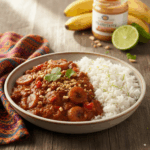
West African Peanut Plantain Stew
Equipment
- Large pot with lid
- Medium frying pan
- Chef’s knife and cutting board
- measuring cups and spoons
- Wooden spoon or spatula
- Blender or food processor (optional, for sauce)
Ingredients
- 3 medium Ripe plantains Peeled and sliced into 1 cm rounds
- 1 large Red bell pepper Finely diced
- 1 medium Yellow onion Finely diced
- 3 Garlic cloves Minced
- 1 tbsp Fresh ginger Grated
- 2 large Tomatoes Diced or blended into sauce
- 3 tbsp Peanut butter Unsweetened, smooth
- 200 ml Coconut milk Full-fat, canned or fresh
- 2 tbsp Vegetable oil For sautéing
- 1 tbsp Smoked paprika For smoky flavor
- 1/2 tsp Chili powder Adjust to taste
- Salt To taste
- 1 Lime Juiced and zested for rice
- 150 g Jasmine rice For coconut-lime rice
- 300 ml Water For rice cooking
Instructions
- Prepare the Plantains: Peel the plantains and slice them into 1 cm thick rounds. Set aside.
- Sauté Vegetables: Heat 1 tbsp vegetable oil in a large pot over medium heat. Add diced onion and sauté until translucent (~5 minutes). Add minced garlic and grated ginger, cooking for another minute until fragrant.
- Add Peppers and Tomatoes: Stir in diced red bell pepper and cook for 3 minutes. Add diced tomatoes (or blended tomato sauce) and cook until softened (~5 minutes).
- Spice and Simmer: Stir in smoked paprika, chili powder, and salt to taste. Cook for 2 minutes to toast the spices. Pour in coconut milk and peanut butter, stirring until smooth.
- Cook Plantains: Add plantain slices to the pot, ensuring they are submerged in the sauce. Cover and simmer on low heat for 20–25 minutes, stirring occasionally, until plantains are tender.
- Prepare Coconut-Lime Rice: While stew simmers, rinse jasmine rice and cook in 300 ml water with lime zest and juice (from 1 lime) until tender (~15 minutes). Fluff with a fork.
- Serve: Plate the stew over coconut-lime rice, garnish with fresh cilantro or parsley if available, and serve warm.
Notes
Serving suggestions:
- Visual Appeal: Serve the stew in shallow bowls over a bed of fragrant coconut-lime rice. The vibrant colors of the red peppers, yellow plantains, and green herbs create an inviting contrast.
- Accompaniments: A side of steamed greens (e.g., spinach or kale) or a simple cucumber salad complements the richness of the stew.
Allergens:
- Peanuts (use cashew or almond butter instead of peanut butter)
Emission Hotspots:
- The rice represent the recipe’s primary carbon emission hotspot due to rice cultivation’s methane-intensive paddy farming
- Shop to home transportation, if a combustion car is used
Sustainability tips:
- Store leftovers in airtight containers in the fridge for up to 3 days. Reheat gently on the stove with a splash of water to maintain moisture.
- Use any extra rice to make quick fried rice with whatever vegetables are getting soft in your crisper drawer
- When shopping for ingredients, opt for products with minimal or sustainable packaging.
- Whenever possible, or stores that prioritize local produce. This reduces the carbon footprint associated with transportation.
- Consider growing your own ginger on a sunny windowsill – it sprouts easily and provides fresh roots for months
- Walk or bike to the supermarket and farmer’s market to cut transportation emissions
- If your rice cooker isn’t occupied with cooking rice, preparing the stew in a rice cooker (e.g. the Reishunger Digital Reiskocher) can save some energy
- Save the water used to rinse rice for watering plants. Rice water contains essential plant nutrients that can help support growth and development
- Guinea pigs 🐹 will love any leftover bell pepper

Carbon Footprint

Featured Story
The Dodo’s Demise: A Case of Mistaken Identity?

For centuries, the extinction of the Dodo has been blamed on its flightlessness and the arrival of hungry sailors. But a startling new theory, supported by a wealth of recently unearthed “scientific papers” and “archaeological findings,” suggests a far more specific culprit: a simple, catastrophic culinary misunderstanding. The evidence points not to general hunger, but to a misplaced craving for one of West Africa’s most beloved snacks: fried plantain, known in Nigeria as dodo.
The hypothesis, pieced together from tattered 17th-century shipping logs and ancient Mauritian kitchen middens, begins with Dutch sailors returning from the vibrant ports of West Africa with a fervent love for the sweet, caramelized plantain dish. When these same sailors later landed on Mauritius and encountered the island’s famously fearless bird—also called a dodo—a fatal case of homonymic confusion was set in motion. The crews, longing for a taste of Nigeria, would demand “dodo,” and the ship’s cooks, completely unaware that the original was a fruit, dutifully began serving up the only “dodo” they could find.
What followed was a culinary tragedy of epic proportions. The Dutch cooks, bless their misguided hearts, were not using the bird as a substitute; they genuinely believed they were preparing the correct dish. Frantic diary entries speak of their confusion: “The men cry for the sweet, soft dodo, but these birds remain stubbornly tough and taste of fowl!” one cook lamented. Archaeological digs have revealed dodo bones alongside traces of palm oil and exotic spices, suggesting a desperate, ongoing attempt to replicate a plantain recipe with a poultry ingredient. They simply thought the Mauritian dodo was a poorly behaved, uncooperative version of the Nigerian one.
By the time the last dodo was stewed, fried, and ultimately declared a culinary failure, it was too late. The Dutch moved on, forever baffled by the island’s disappointing “dodo,” and the world lost a species not just to appetite, but to a catastrophic linguistic blunder.
Culinary Reality Check

After our AI’s little trans-continental adventure, the final recipe landed in the kitchen for its ultimate trial. Was it a stroke of genius or another delightful AI mishap? This recipe proved to be the perfect, surprisingly simple answer for anyone who’s ever stared at a plantain in the supermarket and wondered, “But what do I do with it?” Here’s our debrief.

Taste
A truly decadent, creamy affair. The flavor is rich, complex, and deeply satisfying—pure comfort food that tastes like it took hours to develop, not minutes.

Portion Size
Mistral’s calculations proved… interesting. While the stew generously fed three hungry guinea pigs (the human kind!), the rice portion seemed to have been calculated for a much smaller expedition. We saw this coming and doubled the rice from the start.

Combination
A harmonious symphony of flavors. The sweet plantain, savory peanut, and rich tomato base come together beautifully.

Texture
Luxuriously rich and creamy. It’s a dream for comfort food lovers, though its sheer opulence might induce a mild panic in anyone diligently counting their calories.

Spices
The spice blend is masterfully balanced. Don’t be shy with the chili powder; the sauce’s magnificent creaminess elegantly tames the heat, creating a pleasant warmth rather than a fiery blaze.

Timing
Mistral’s time-keeping proved as whimsical as its geography. The individual cooking steps in the instructions add up to a far longer time than the final 35-minute estimate. In a surprising twist, however, the overall 35-minute estimate turned out to be spot-on, as the specific cooking times were vastly exaggerated.

Processing
Here’s where our human intuition had to intervene. As foreseen, mixing the coconut milk and peanut butter created a sauce so thick it threatened to burn instantly. A cup of vegetable broth, kept at the ready, was our hero, thinning the sauce to a perfect consistency.

Completeness
The recipe, it seems, came with a few ‘ghost’ ingredients and omissions. Most famously, the “coconut-lime rice” was entirely missing coconut. The stew itself was crying out for about a cup (250-400ml) of vegetable broth to prevent it from becoming a solid mass. A dedicated vegetable prep step was also curiously absent.

Environment
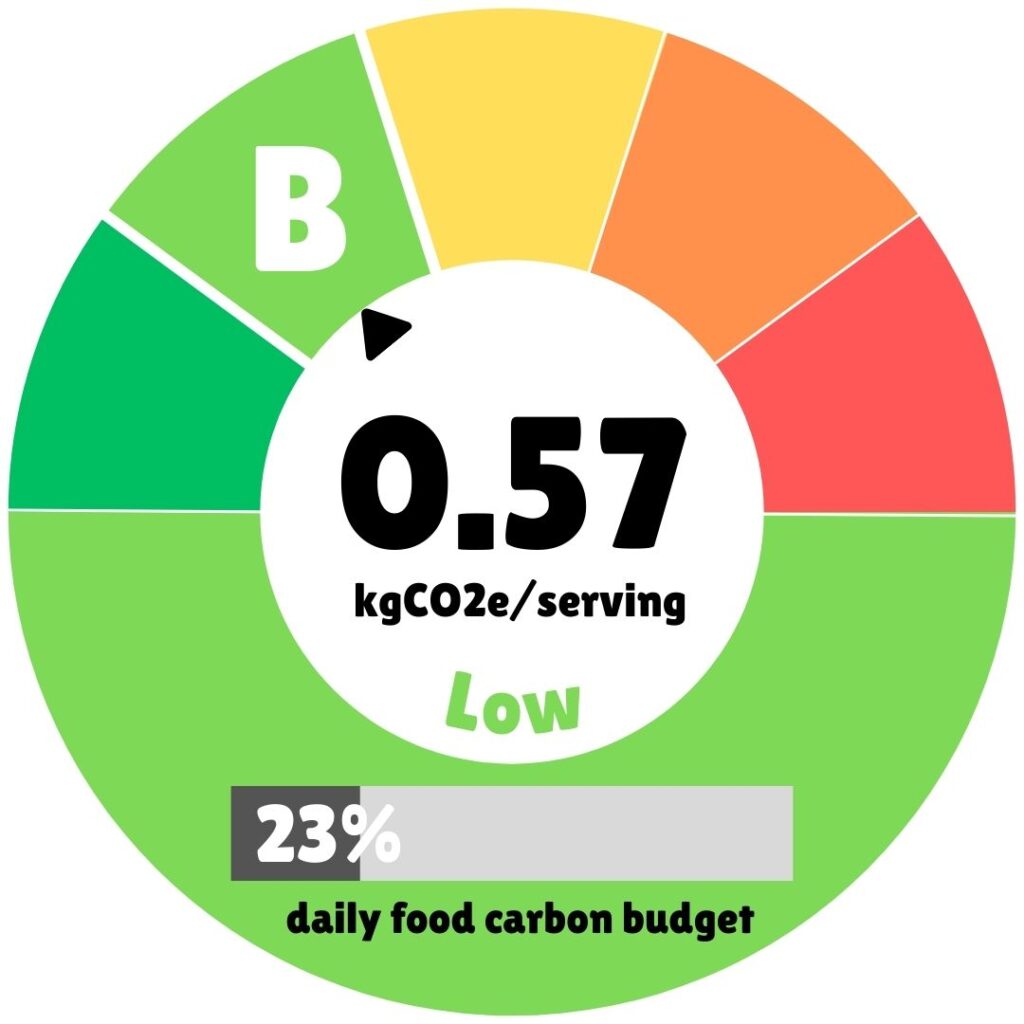
On the climate front, this dish is a resounding success. Its low carbon footprint makes it a meal you can feel genuinely good about, aligning perfectly with our mission.

Health
From a Planetary Health Diet perspective, the recipe scores high marks for its plant-based foundation. While delicious, its richness means it’s more of an indulgence. With a few tweaks—like adding more vegetables and being mindful of the saturated fats—it could be a perfect model of a healthy, sustainable meal.

Tips for Redemption
Our final recommendations for a flawless mission: double the rice from the outset and have at least one cup of vegetable broth on standby to add as the sauce thickens.