Survival Food for a Failing Normal, Episode 1
Authors: Cobaia Kitchen, Qwen 3.7-Plus Deep Research, GPT-5.4
Photos: Cobaia Kitchen, Nano Banana 2
Welcome to a new Cobaia Kitchen series for the cheerful historical moment in which “seasonal cooking” increasingly means “figuring out how to remain a functioning organism while systems fail in slow motion.” This is our survival food series: recipes for adapting to the kind of everyday instability that is becoming less exceptional every year, whether that means heatwaves, disrupted routines, stressed infrastructure, volatile prices, or the general discovery that the comfortable baseline many people assumed would continue forever was apparently more of a limited-time offer.
Episode 1
There is something almost heroic about the German approach to extreme heat: first, underfund serious climate mitigation; then, underfund adaptation; then declare that cross-ventilation, exterior blinds, and moral fiber will surely be enough to get everyone through 38–40°C in apartments, schools, offices, and hospitals that mostly still do not have air conditioning. The temperatures are thoroughly 21st century, but the infrastructure is stuck in a world where heatwaves were short, rare, and mainly a chance to complain charmingly about the weather. If the country insists on treating proper cooling as a suspicious American habit, the least we can do is make lunch more competent than the building code.
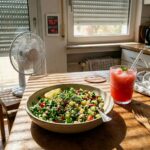
Episode 1 of this survival series is therefore a millet tabbouleh and a watermelon electrolyte slush, designed not just to be “light” and “refreshing,” but to actually talk to the things heat does to a human body. When it is hot enough that you are losing liters of sweat, you are not only losing water; you are also losing sodium, potassium, magnesium, and other electrolytes that keep your nerves, muscles, and temperature regulation working properly. Fine-grain millet is here as more than a fashionable grain swap. Millets are small-grained cereals with an unusually dense nutrient profile: they provide dietary fiber, protein, essential amino acids, and minerals such as calcium, iron, potassium, zinc, and crucially magnesium, a mineral explicitly tied to thermoregulation and affected by sweat loss.
That magnesium job is important in this context. The body uses sweating as its main cooling mechanism, which means repeated heat exposure steadily drains electrolytes from the fluid compartments that keep everything running. Low magnesium status has been linked to issues like hypertension and metabolic strain, both of which can be aggravated by heat stress, so putting a magnesium-containing whole grain at the center of your heatwave salad is not a decorative decision. On top of that, millet’s fiber does more than just help digestion. Dietary fiber can induce Heat Shock Proteins — HSPs — protective cellular proteins that are upregulated during stress, including heat, and help maintain and repair cell structures. That makes a herb-heavy, fiber-rich tabbouleh a quiet way of supporting cellular resilience instead of just ticking a “whole grain” box.
The herb-forward structure of proper tabbouleh is doing science work too. Traditional Lebanese tabbouleh is often described as a parsley salad with a little bulgur, not a bulgur salad with a little parsley, and this millet version keeps that ratio. Large amounts of chopped parsley and mint, plus tomato, cucumber, spring onions, lemon, and olive oil, deliver vitamin C, antioxidants, and plant bioactives that help buffer oxidative stress, which tends to increase when the body is exposed to high heat. The recipe was deliberately built to stay within a reasonable caloric window per portion, with the millet kept moderate and the olive oil dressing restrained, so a cooling portion is generous in volume without tipping you into post-lunch torpor in a hot room.
The watermelon electrolyte slush is designed to do more than simply “refresh,” because dehydration in a heatwave is not just a shortage of water but a loss of water and electrolytes that need to be replaced together. Watermelon makes an especially strong base because it is over 90% water, naturally provides potassium and magnesium, and has been shown in some studies to perform comparably to standard carbohydrate-electrolyte drinks for restoring fluid balance after dehydration. It also brings L-citrulline, an amino acid the body converts into nitric oxide, which helps blood vessels dilate more effectively — a useful feature when heat stress puts extra strain on vascular function. Coconut water strengthens the drink’s electrolyte profile with additional potassium, sodium, magnesium, and calcium, while lime contributes vitamin C, citric acid, and a sharpness that keeps the whole thing tasting vivid rather than flat. The pinch of salt matters too, because sodium is the major electrolyte lost in sweat and is essential for fluid retention, nerve signaling, and muscle function. Freezing part of the watermelon into a slush is not just a stylistic flourish: it makes the drink colder, more appealing, and easier to keep sipping when appetite is low, thirst cues are unreliable, and anything warm feels like an insult.
Put together, this bowl-and-glass combination is a small act of resistance against the idea that surviving a German heatwave means eating less, drinking more random water, and hoping the building does not get too hot. The millet tabbouleh offers fiber, minerals, and antioxidant-rich herbs in a format that is genuinely cooling and quick to prepare with minimal heat. The watermelon electrolyte slush offers hydration, electrolytes, L‑citrulline-driven vascular support, and antioxidant protection in a drink that actually tastes like something you want when the flat has turned into a sauna. If policy, infrastructure, and cultural habits are not going to adapt as fast as the climate, then the kitchen will have to do some of the adaptation work itself — starting here, with lunch.
🐹 Guinea pig heatwave corner
- Full shade all day — follow the sun and move the run or hutch if needed.
- Wrapped cooling pads or frozen bottles — only on one side, so they can choose.
- Add a cool tile or stone slab for dramatic little flop-downs.
- Refresh water often and keep bottles or bowls out of direct sun.
- Offer water-rich veg: cucumber, bell pepper, fennel, lamb’s lettuce, and wet leafy greens.
- Fruit only in tiny amounts — a little melon or apple is fine, but not a whole summer buffet.
- Remove leftover fresh food quickly, because heat turns snacks into science experiments.
- Lightly cool nearby paving or hard surfaces, but don’t make the enclosure damp and steamy.
- If they drool, pant, wobble, or flop out weakly: cool gently and call a vet immediately.
Please read the review before cooking!
Millet Tabbouleh and Watermelon Electrolyte Slush
Equipment
- Rice cooker or medium pot with lid
- Fine sieve
- Kitchen scale or measuring cup
- Large mixing bowl
- cutting board
- Sharp knife
- Small bowl or jar for dressing
- citrus juicer
- Salad spinner or clean kitchen towel
- blender
Ingredients
Millet tabbouleh
- 320 g fine-grain millet rinsed well in a sieve
- 640 ml water
- 1 tsp fine salt for cooking the millet
- 2 large bunches flat-leaf parsley about 120 g leaves and tender stems, very finely chopped
- 1 small bunch fresh mint about 20-25 g leaves, finely chopped
- 4 spring onions thinly sliced
- 1 medium cucumber about 300 g, small dice
- 350 g ripe tomatoes seeded and finely diced
- 1 yellow or red bell pepper about 180 g, very finely diced
- 1 can chickpeas 240 g drained weight, rinsed and drained very well
- 60 ml extra-virgin olive oil
- Zest of 1 lemon
- 90 ml lemon juice from about 3 lemons
- 1 small garlic clove very finely grated or crushed
- 1 tsp ground cumin
- 3/4 tsp fine sea salt plus more to taste
- 1/2 tsp black pepper
Watermelon electrolyte slush
- 400 g frozen watermelon flesh cut into cubes and divided, frozen until solid
- 400 g unfrozen chilled watermelon flesh cut into cubes and divided
- 500 ml unsweetened coconut water chilled
- 60 ml fresh lime juice
- 1/4 tsp fine sea salt
- 8-12 ice cubes
- 8-12 fresh mint leaves optional
Instructions
Millet tabbouleh
- Cook the millet: add the rinsed millet, water, and 1 tsp salt to the rice cooker or a pot, cook until tender and the water is absorbed, about 15 minutes.
- Cool the millet fast: spread it out on a large plate or tray, fluff it with a fork, and let it cool for about 10 minutes so the salad stays loose instead of clumping.
- Prep the herbs: wash and dry the parsley and mint very thoroughly, remove any thick parsley stems, then gather the leaves into a tight bundle and chop them finely with a sharp knife until fluffy and almost confetti-like.
- Prep the vegetables: slice the spring onions thinly; cut the cucumber into small cubes; halve and seed the tomatoes, then dice them finely; dice the bell pepper to roughly the same size as the cucumber.
- Prep the chickpeas: rinse them, drain them very well, and pat them dry lightly so they do not water down the salad.
- Make the dressing: in a small bowl or jar, whisk together the olive oil, lemon zest, lemon juice, garlic, cumin, 3/4 tsp salt, and black pepper.
- Assemble the tabbouleh: add the cooled millet, parsley, mint, spring onions, cucumber, tomatoes, bell pepper, and chickpeas to a large bowl.
- Dress and toss: pour over the dressing and mix thoroughly until the herbs and vegetables are evenly distributed through the millet.
- Rest briefly: let the salad sit for 5 minutes, then taste and adjust with a little more lemon juice or salt if needed.
Watermelon electrolyte slush
- Freeze half of the watermelon cubes in advance, ideally in a single layer so they blend more easily.
- Add the frozen watermelon, fresh watermelon, coconut water, lime juice, salt, and optional mint to a blender.
- Blend until smooth and slushy; if the texture is still more juicy than icy, add a few ice cubes and blend again.
- Taste and adjust very lightly, with a touch more lime for brightness or a tiny extra pinch of salt if the drink tastes flat.
- Serve immediately in chilled glasses.
Notes
Serving suggestions:
- Bring the tabbouleh to the table with extra lemon wedges and a final drizzle of high-quality cold-pressed olive oil, and garnish the watermelon slush with a fresh sprig of mint.
- Serve the chilled tabbouleh alongside grilled vegan halloumi, pan-seared smoked tofu, or marinated seitan skewers for a more substantial dinner.
- The millet tabbouleh travels beautifully in a cooler box, making it a fantastic side dish for an outdoor summer barbecue or a park picnic.
- Pour the watermelon electrolyte slush into pre‑chilled glasses and serve with a tiny pinch of salt on top and a fresh mint sprig; it works beautifully as both a drink and a light dessert.
- Serve the tabbouleh cold or at a cool room temperature, but blend and pour the watermelon slush immediately before drinking so it stays frosty and frothy.
- None
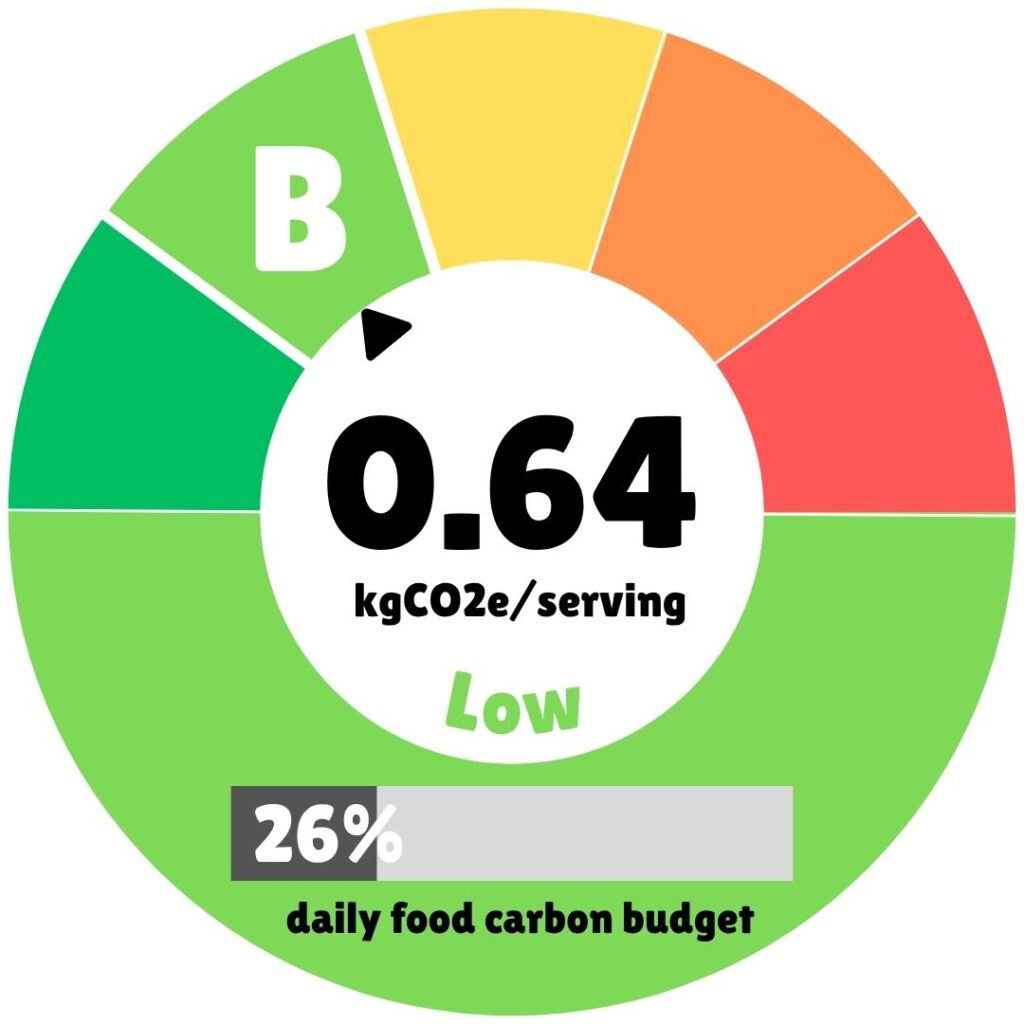
Emission Hotspots:
- Canned chickpeas: A major hotspot because processing and packaging add a clear emissions premium over simpler dry staples.
- Watermelon: A major hotspot because the recipe uses a large mass of it, so even a moderate per-kilo footprint adds up fast.
- Shop to home transportation, if a combustion car is used
Sustainability tips:
- Use the whole bunch: parsley stems and tender mint stems can go straight into the tabbouleh, no dramatic herb waste necessary.
- Buy seasonal, local vegetables and herbs when possible — better flavor, less transport, fewer sad plastic-wrapped imports.
- Chop extra herbs and freeze them in a little olive oil or water before they turn into fridge compost.
- If you have leftover cucumber ends, parsley, or carrot greens, share the safe bits with your guinea pigs 🐹 and earn instant household popularity.
- Make the smoothie only in the amount you’ll actually drink, because watermelon slush is delightful fresh but not a champion leftover.
- Store leftover tabbouleh in an airtight container and eat it the next day for lunch, when it is often even tastier after a proper lemony rest.
- Compost the tough trimmings, herb roots, and watermelon rind if you can, instead of sending them on a tragic landfill journey.
- Walk, bike, or combine errands when shopping for fresh produce — tiny climate win, plus you arrive home feeling morally superior and ready to chop parsley.
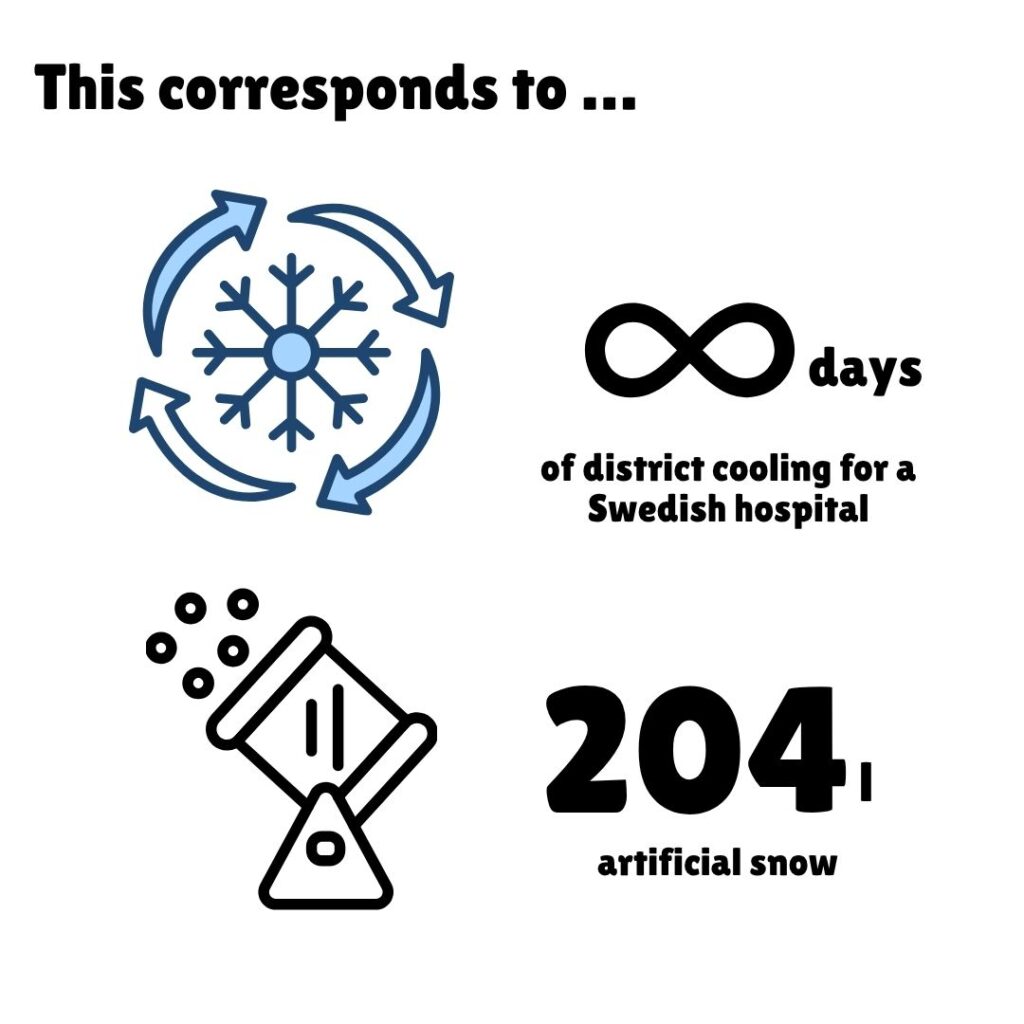
Carbon Footprint
Featured Story
The Protocol

By day four of the 42-degree heatwave, the walls of the renowned clinic in Bad Oeynhausen had stopped radiating warmth and had taken on the exact microclimate of an overcrowded tropical greenhouse. Dr. Clara Weber stood in the hallway of Ward 3B, pressing her forehead against a fire extinguisher door because the metal was exactly half a degree cooler than the surrounding air. The hospital’s official heat adaptation protocol was a masterpiece of rigid bureaucratic logic: all windows must remain strictly closed from 8:00 AM to 8:00 PM, and only opened overnight. While this sounded smart on paper, in reality, it trapped the morning moisture, the body heat of three dozen patients, and the steam from the lunch carts, transforming the rooms into humid, slow-cooking sous-vide bags.
“Dr. Weber, close that tilt,” reprimanded Head Physician Dr. Kinkel, approaching with the deliberate stride of a man wearing a long-sleeved undershirt beneath his lab coat. He reached past her to slam a rogue bathroom window shut. “You are violating the 8-to-20 protocol. We must keep the heat out.” Clara wiped a bead of sweat tracking through her left eyebrow. “Herr Chefarzt, the humidity in room 402 is currently at 85 percent. The air is so thick I could literally drink it. The patient isn’t resting; he is gently steaming.” Kinkel waved a dismissive hand. “It is summer in Ostwestfalen, Clara, it is supposed to be warm. If we were to install air conditioning like the Americans, everyone would immediately contract life-threatening Zugluft and we’d have a ward full of stiff necks. Besides, people do not die from the heat, they die with the heat.”
Clara gave up. Defeating the national phobia of moving air was impossible, especially when mandated by a laminated schedule on the door. Down the hall, the nurses were hydrating the ward by tossing watermelon wedges and lukewarm tap water at the beds, hoping the patients wouldn’t simply dissolve into the heavy, swampy atmosphere. She had just caught one elderly gentleman trying to stick his head into the breakfast trolley’s yogurt compartment just to feel a wisp of coolness. Kinkel, meanwhile, was lecturing a fainting medical student about how the trapped, stifling moisture was actually an excellent therapy for the respiratory tract.
By 3:00 PM, Clara had abandoned all clinical dignity and plotted a strategic retreat to the only two places in the hospital with functional climate control: the IT server room and the morgue. Lacking the badge for IT, she descended into the basement. She found two orthopedic surgeons already there, sitting on stainless steel gurneys in the dark, bathed in the glorious, humming 16-degree chill. “Close the door quickly,” whispered Dr. Schmidt, clutching a clipboard he wasn’t actually reading. “Kinkel is roaming the upper floors writing up people who opened their windows.” Clara sighed, hoisting herself onto an empty metal table and letting the majestic chill seep through her scrubs. Upstairs, the nation was stubbornly slow-cooking itself on principle; down here, at least, the dead and the doctors had finally found a sensible room temperature.
Culinary Reality Check
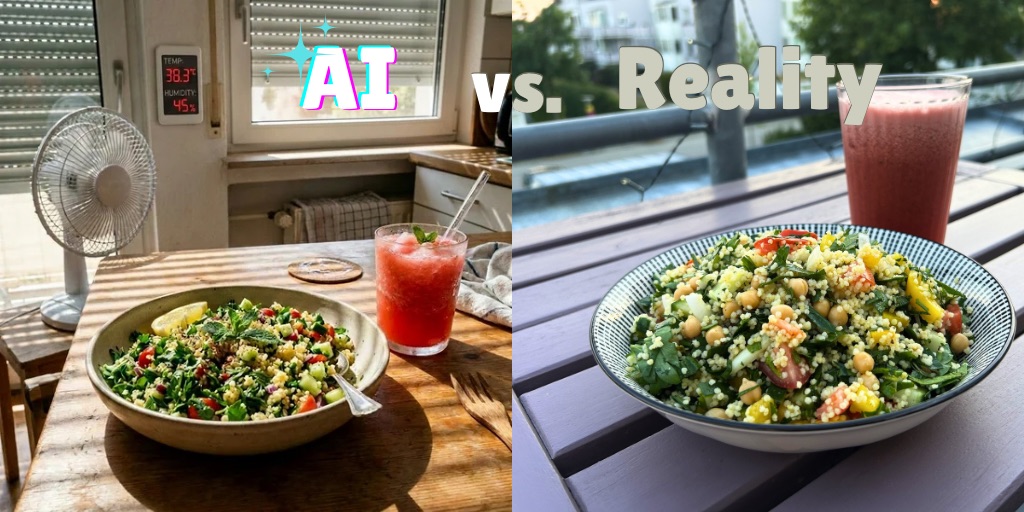
The result is exactly what a heatwave tabbouleh should be: bright, cooling, herb-heavy, and substantial without ever becoming oppressive. It is the kind of meal that feels kind to the body when temperatures are ridiculous, and the watermelon slush does genuine supporting work rather than acting as a decorative sidekick.

Taste
Very good — not in a surprising or gimmicky way, but in the deeply reassuring way of something that gets the fundamentals exactly right. The tabbouleh tastes fresh, sharp, herbal, and clean, and the slush lands with the right balance of sweetness, salinity, and citrus.

Portion Size
The recipe yielded four generous portions even with a bit of casual improvisation here and there. For the slush, it is smarter to begin with a smaller batch and make more if needed, because its charm depends on being properly cold and it loses a lot once it warms up.

Combination
Together, the salad and drink form a very convincing hot-weather meal. One gives freshness, acidity, herbs, and structure; the other restores fluids, salt, and a sense that life may continue after all.

Texture
No problems here. The tabbouleh is pleasantly crisp and light, and if you want the drink to feel like a true slush rather than a cold smoothie, using fully frozen watermelon is a perfectly sensible move.

Spices
The seasoning balance is well-calibrated throughout. One note on the slush: follow the salt quantity as written and resist the temptation to add more. There is a fine line between refreshing electrolyte drink and something that tastes like it came out of a saline IV bag.

Timing
The timing feels realistic, which matters a great deal in very hot weather when even moderate kitchen effort can feel insulting. This is genuinely manageable on a difficult summer day.

Processing
The method is straightforward, stable, and forgiving. Everything behaves as it should, and the recipe leaves plenty of room for small variations without falling apart, provided you remember the lemons and keep the basic balance intact.

Completeness
Nothing essential seems missing. The recipe feels thought through, coherent, and complete both as a dish and as a heat-conscious meal concept.

Environment
This is a solid B on climate impact: good, clearly plant-based, and well below most animal-heavy meals, but not especially low-emission. The main reason is simple: the footprint is concentrated in two ingredients, canned chickpeas and watermelon, rather than spread evenly across the dish.

Health
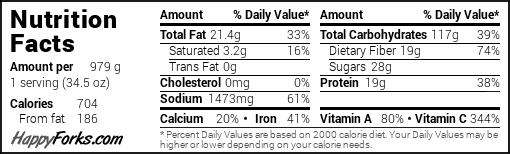
A highly EAT‑Lancet‑compatible summer meal: fully plant-based, vegetable-forward, and nutritionally balanced. Confidently health-promoting for the human eating it and gentle on the planet providing the ingredients.

Tips for Redemption
None, really. This one already knows what it is doing.