
Authors: Cobaia Kitchen, Gemini 3 Pro, Claude Sonnet 4.5
Photos: Cobaia Kitchen, Nano Banana Pro
To shake things up in the kitchen this week, we decided to outsource our culinary creativity to the Gemini 3 Pro model. We gave it a pretty specific mission: create a novel, plant-based dinner with a low carbon footprint that combined our existing pantry staples with ingredients readily available in Swedish supermarkets. The AI came back with a brilliant idea for “Havana Nights,” a smoky, Cuban-inspired Ropa Vieja using canned jackfruit as a pulled-meat substitute. It sounded perfect—sustainable, exciting, and exactly the kind of comfort food we were craving.
Ropa Vieja, which translates literally to “old clothes,” is widely considered the national dish of Cuba. Its history stretches back over 500 years to the Sephardic Jews of the Iberian Peninsula, who would slow-cook stews overnight to avoid cooking on the Sabbath. Legend has it that a penniless man once shredded his own clothes to cook for his family, and his love turned the rags into a delicious meat stew. While the original Spanish version used leftovers (hence the “old clothes” look), the Cuban evolution became a distinct shredded beef dish in a sofrito-based tomato sauce, which we’ve reimagined here with plants.
This recipe turned out to be the perfect meal after an afternoon of cross-country skiing through the snowy forests around Stockholm. And despite what you might read in our fictional companion story below, cross-country skiing is actually not that difficult—even for us non-Swedes. In fact, it’s probably the most relaxing thing you can do during a Swedish winter, gliding silently through the trees with nothing but the sound of snow under your skis. That said, we must confess: any 80-year-old Swede on the trail will absolutely lap us without breaking a sweat.
Back in the kitchen, though, when it came time to actually make this dish, the universe threw us a curveball we’re calling the “Jackfruit Paradox”: canned jackfruit is everywhere when you don’t need it, but vanishes from every shelf the moment you do. We did spot some massive fresh jackfruits in the produce aisle, but honestly, we were too intimidated by the prep time (and the sticky latex mess!) to tackle one of those giants on a weeknight. So, we called an audible and swapped the elusive canned jackfruit for crumbled smoked tofu. The result? A happy accident that was just as delicious, proving that even AI-generated plans need a little human improvisation.
Please read the review before cooking!

Havana Nights: Smoky Jackfruit “Ropa Vieja”
Equipment
- Reishunger Digital Rice Cooker (or a large pot with lid)
- Large frying pan or braising pan
- Cutting board and knife
- Two forks (for shredding jackfruit)
- Colander
- Measuring cups / spoons
Ingredients
For the Smoky Jackfruit (Ropa Vieja):
- 2 cans (approx. 800g total) Young Green Jackfruit in brine (not syrup) drained and rinsed
Vegetables:
- 2 large Onions sliced into thin strips
- 2 Bell Peppers Red or Yellow preferred, sliced into thin strips
- 4 cloves Garlic finely minced (or 1 tsp Garlic, dried)
Sauce Base:
- 1 can (400g) Diced Tomatoes
- 3 tbsp Tomato Paste
- 1 tbsp Soy Sauce adds savory depth
- 1 tbsp Apple Cider Vinegar or White Balsamic
- 1 tsp Maple Syrup to balance acidity
Spices:
- 1 tbsp Smoked Paprika essential for the meaty flavor
- 1 tbsp Cumin ground
- 1 tbsp Oregano dried
- 1 tsp Salt adjust to taste
- 1/2 tsp Black Pepper.
- 2 Bay Leaves.
- 2-3 tbsp Olive Oil or Rapeseed Oil.
For the Congri (Rice & Beans):
- 400 g Basmati Rice approx. 2 cups, rinsed
- 1 can (400g) Kidney Beans drained and rinsed
- 1 small Onion finely diced (optional, for flavor base).
- 1/2 tsp Cumin
- 1 Bay Leaf
- Water according to rice cooker instructions, approx. 1.25 ratio or 500ml
Garnish (Optional but recommended):
- Spring Onions sliced (green parts only).
- Vegan Sour Cream a dollop per serving.
Instructions
Prepare the Jackfruit (Meat Substitute):
- Drain and rinse the jackfruit thoroughly in a colander.
- Cut off the hard triangular core from the jackfruit pieces (you can finely chop these cores to avoid waste or discard them for a more uniform texture).
- Squeeze the remaining fibrous chunks to remove excess water.
- Using your hands or a fork, shred the chunks until they resemble pulled meat.
Start the Congri (Rice):
- In your Reishunger Digital Rice Cooker, combine the rinsed rice, drained kidney beans, diced small onion, 1/2 tsp cumin, 1 bay leaf, and a pinch of salt.
- Add the appropriate amount of water.
- Set to “White Rice” or “Regular” mode and start.
Sauté the Aromatics:
- While rice cooks, heat 2 tbsp oil in a large pan over medium heat.
- Add the sliced onions and bell peppers. Sauté for 8-10 minutes until soft and slightly caramelized edges appear.
- Add the minced garlic and cook for another minute until fragrant.
Build the Ropa Vieja:
- Add the shredded jackfruit to the pan along with the Smoked Paprika, Cumin (1 tbsp), and Oregano. Stir well to coat the jackfruit in the spices and oil. cook for 2-3 minutes to toast the spices.
- Stir in the tomato paste and cook for 1 minute to darken it slightly.
- Pour in the can of diced tomatoes, soy sauce, vinegar, maple syrup, and bay leaves.
- If the mixture looks too dry, add 1/2 cup of water or vegetable broth.
Simmer:
- Reduce heat to low, cover (if you have a lid) or leave open, and simmer for 15-20 minutes.
- The sauce should thicken and cling to the jackfruit, and the flavors should meld.
- Taste and adjust salt or acidity (vinegar) as needed. Discard bay leaves.
Serve:
- Fluff the cooked rice and beans with a fork.
- Serve a generous portion of rice topped with the smoky jackfruit stew.
- Add a dollop of vegan sour cream and a sprinkle of fresh spring onions.
Notes
Serving suggestions:
- Side: If you have extra potatoes, “Tostones” style fried potato slices seasoned with salt make a great crunchy side.
- For a relaxed Cuban experience, pair this hearty dish with a classic Cuba Libre; simply mix dark rum with cola and a generous squeeze of fresh lime juice to cut through the smoky richness of the sauce.
- For a refreshing alcohol-free alternative, try a chilled Ginger Beer with a lime wedge, as its zesty, gingery heat perfectly complements the cumin and smoked paprika without competing for attention.
Allergens:
- Soybeans: Present in the Soy Sauce. (Also present if you use the smoked tofu variation or a soy-based sour cream).
- Gluten (Wheat): Typically present in Soy Sauce.
- Sulphur Dioxide / Sulphites: Often present in Apple Cider Vinegar and sometimes in Tomato Paste or Dried Spices (must be declared if concentration exceeds 10 mg/kg).
- Celery: Present if you use Vegetable Broth instead of water to thin the sauce.
Emission Hotspots:
- While canned tomatoes, beans and jackfruit are convenient, they carry a higher environmental cost than their raw counterparts.
- The rice also adds significantly to the carbon footprint due to rice cultivation’s methane-intensive paddy farming
- Shop to home transportation, if a combustion car is used
Sustainability tips:
- Swap the Rice Variety: Basmati rice often has a higher carbon footprint due to methane emissions from flooded paddies and transport distance. Switch to potatoes (grown locally in Sweden) or oats (like “havreris”) which have a significantly lower climate impact and pair beautifully with the smoky stew.
- Tackle the Can Impact: Metal cans are energy-intensive to produce. To reduce this, buy dried kidney beans in bulk and soak/boil them yourself—this eliminates the can entirely and is much cheaper. For tomatoes, look for Tetra Pak (cartons) instead of metal cans, as they generally have a lower lifecycle carbon footprint.
- Double the recipe and freeze portions to reduce cooking energy per serving over time
- Walk or bike to the supermarket and farmer’s market to cut transportation emissions
- Utilize Residual Heat: Since the stew simmers for 20 minutes, you can turn off your ceramic cooktop 5-8 minutes early and leave the pan on the hot ring with the lid on. The retained heat is sufficient to finish cooking the dish without consuming extra electricity.
- Guinea pigs 🐹 will love any leftover bell peppers

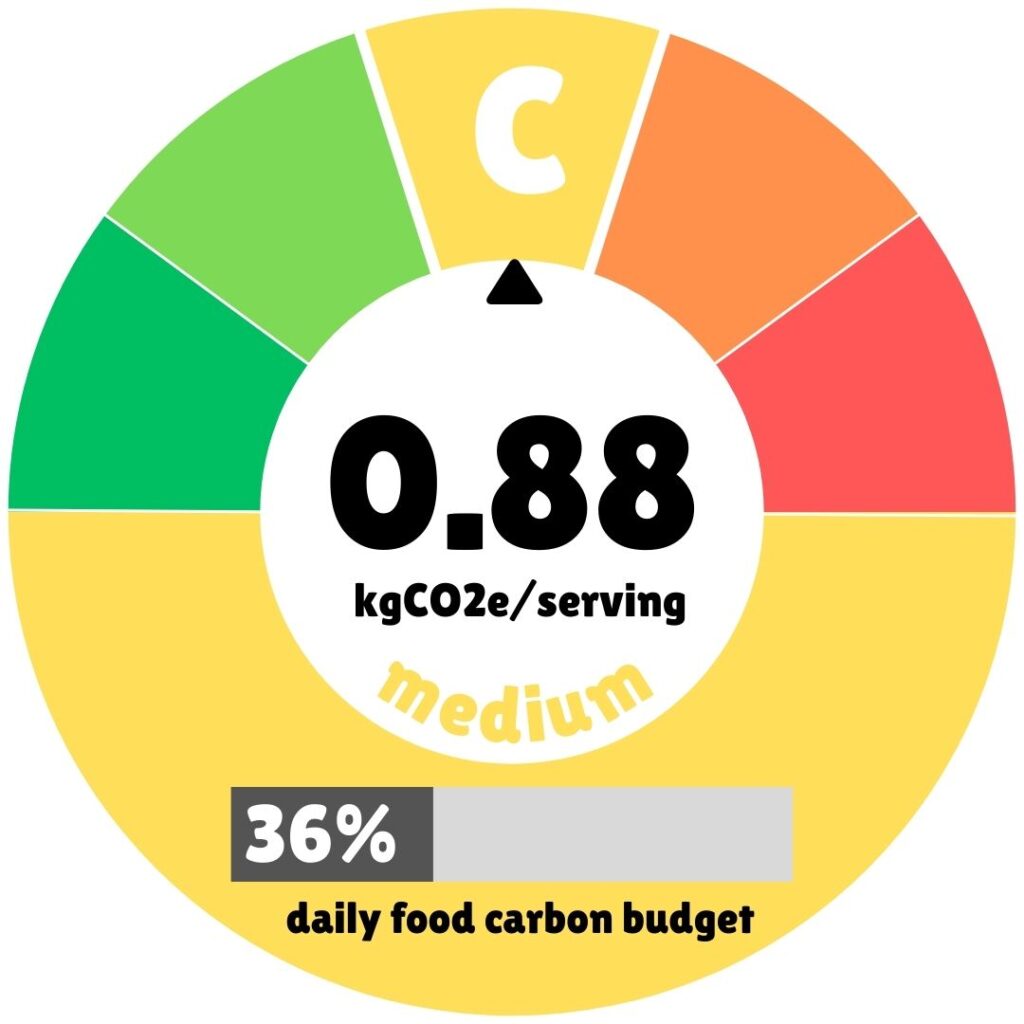
Carbon Footprint

Featured Story
The Art of Falling

Marta decided that if she was going to survive her third Swedish winter, she needed to become Swedish. Not in the boring IKEA-meatball way, but in the existential I-glide-across-frozen-lakes-like-a-Nordic-god way. So she signed up for cross-country skiing lessons at Järvafältet, even though the instructor—a man named Sven who looked like he’d been carved from a glacier and left to age in a pine forest—took one look at her neon pink puffer jacket and asked if she’d “perhaps prefer indoor activities.” The skis were longer than her entire apartment hallway. The poles felt like weapons designed for a species with three arms. When Sven demonstrated the “classic technique,” his body moved like water, like wind, like something that had never eaten fried plantains or danced to Benny Moré at 2 a.m. in a Vedado courtyard.
Marta’s body, however, moved like a bag of yuca dropped from a third-floor balcony. Within four minutes, she was horizontal in a snowbank, one ski pointing toward Finland, the other toward Norway, both legs filing for divorce from her torso. A Swedish child—no older than five, blonde as a mythology textbook, probably named something like Freja or Alva—skied past her with the grace of a falcon and said, in perfect English, “Are you okay?” Marta wanted to explain that in Havana, the only sliding she did was on banana peels in the Mercado de Cuatro Caminos or across her abuela’s just-mopped terrazzo floor, but her mouth was full of snow and regret. Her dignity was somewhere near the parking lot, possibly hitchhiking back to the Caribbean.
Sven skied over (effortlessly, of course) and said, “You’re thinking too much. Just feel the snow.” Marta thought about how snow didn’t exist in her nervous system, how her bones were calibrated for 90% humidity and salsa beats, not this frozen betrayal that Swedes called “friluftsliv.” She tried again. This time she made it eleven meters—a personal record—before her skis crossed like an X, like the universe’s way of saying absolutely not, and she performed an unintentional somersault that would’ve earned a standing ovation in Cirque du Soleil but here only earned polite concern from two pensioners who materialized like Nordic forest spirits. They were probably eighty years old and had just skied from Gothenburg. “First time?” one asked kindly, extending a mittened hand. Marta nodded, gasping, tasting pine needles and humiliation. The woman smiled. “I started when I was two.” Of course she did. Everyone here probably emerged from the womb wearing tiny skis and a headlamp.
By attempt number seven, Marta had developed a new theory: cross-country skiing was a Swedish conspiracy to make immigrants feel fundamentally incompetent. It was psychological warfare disguised as recreation. She watched a man in his seventies glide past her while having a full phone conversation about someone’s birthday party, his poles moving in perfect rhythm like he’d been born doing this. She couldn’t even stand upright without her ankles staging a coup. A couple passed next, moving in perfect synchronized rhythm, probably debating whether homemade or store-bought semlor are better, completely unbothered by the fact that they were moving at a pace that could earn them a podium finish at Vasaloppet. When Marta finally managed to ski ten consecutive meters without falling, a toddler in a snowsuit waddled past her on foot—not even on skis, just walking—and somehow still covered more ground. That’s when Marta decided this was a sign from the universe. A clear, unambiguous sign that said, “Go home. Make Cuban food. Forget this Nordic madness.”
She limped back to Kista—bruised, soggy, and questioning every decision that had led her to this frozen country. What she needed was Ropa Vieja. Her abuela’s version, the kind that made you forget winter existed. The supermarket hunt was brief and absurd: three stores, zero jackfruit, several confused employees. At Lidl, a Spanish-speaking grandmother took pity on her and handed her smoked tofu. “Improvise, mi niña,” she said. So Marta did. She went home, cooked with what she had, opened the can of Cuba Cola she’d been saving for emergencies (and if this wasn’t an emergency, what was?), and made peace with her non-Swedish body. The skis stayed in the hallway as a monument to cultural differences. And Marta stayed Cuban—bruises, tofu Ropa Vieja, and all.
Culinary Reality Check
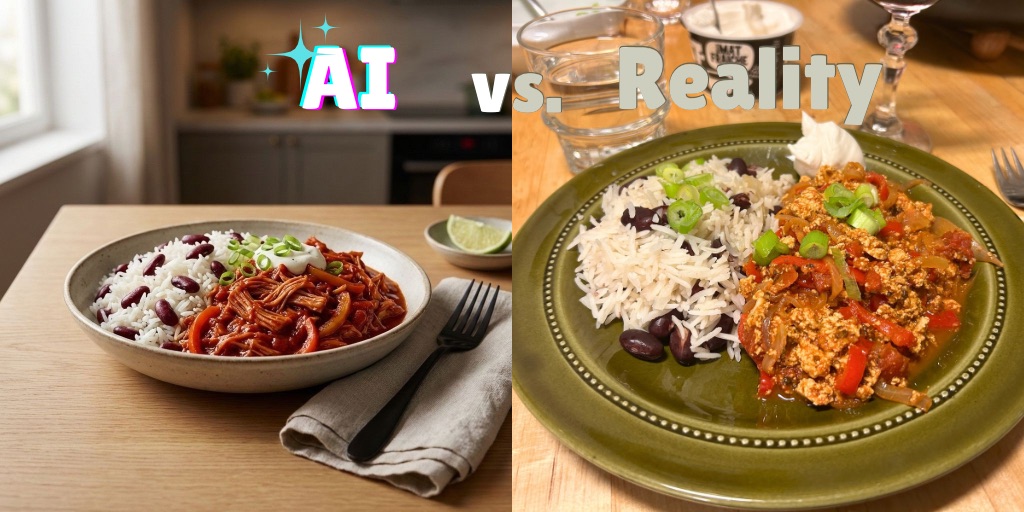
This is a tasty dish that’s easy to make and delivers the warmth of the Caribbean to a dark Swedish winter evening—and dare we say, it’s revolutionary? (Okay, fine, it’s not changing the culinary world, but it is Cuban-inspired, and one of our taste testers showed up wearing a Che Guevara shirt completely unaware of the menu, so we’re claiming the pun.)

Taste
Very good, even though we couldn’t find the mythical canned jackfruit and had to improvise with crumbled smoked tofu. Honestly? No regrets. The smoky paprika and cumin work magic, and the tofu soaks up the tomato-pepper sauce like it was born for this role. If you close your eyes and let the flavors take over, you’re not in Kista anymore—you’re somewhere with palm trees and ocean breezes.

Portion Size
We asked for a meal for four people, and that’s exactly what we got. No one left the table hungry, and no one needed to loosen their belt buckle either. Perfectly calibrated.

Combination
A beautiful marriage of tastes, colors, and textures. The rice-and-beans base is hearty and grounding, while the saucy tofu brings the drama. If you’re craving something fresh and crunchy to balance all that warmth, throw together a quick side salad—cucumber, lettuce, maybe a squeeze of lime. Your palate will thank you.

Texture
Good, though we should be honest: the tofu version can’t replicate that shredded, “pulled meat” effect that jackfruit promises. But if that’s not a dealbreaker for you (and it shouldn’t be), the texture is perfectly satisfying. The tofu crumbles nicely and has enough bite to feel substantial without being mushy.

Spices
Really good, nothing to complain about. The smoked paprika does the heavy lifting here, giving the dish that deep, almost meaty flavor, while the cumin adds warmth and the oregano ties it all together. Perfect as is. Don’t mess with it.

Timing
Pretty accurate. The recipe says 50 minutes total, and unless you’re chatting with your housemate about cross-country skiing trails while chopping onions, you’ll hit that mark easily.

Processing
All steps were explained clearly and could be executed without drama. Even if you’re not a confident cook, this recipe holds your hand just enough. No confusing techniques, no mystery ingredients, no existential crises in the kitchen.

Completeness
Nothing missing. The recipe is complete, the shopping list is thorough, and the instructions don’t assume you have a culinary degree. It’s all there.

Environment
We’re giving this a C-rating for environmental impact, as expected for a dish featuring white rice and multiple canned ingredients. The good news? You can easily bump this up by swapping basmati for a local grain (like Swedish oats) and using dried beans instead of canned. Small changes, big difference.

Health
This recipe is an excellent example of the Planetary Health Diet in action: plant-based, legume-rich, vegetable-forward, and satisfying. To make it even better, swap the white basmati rice for a whole grain option like brown rice, riceberry, or oat rice. That one tweak would make this dish nutritionally flawless.

Tips for Redemption
- A little more tomato wouldn’t hurt. If you like your stews saucier (we do), add an extra half-can of diced tomatoes.
- Pair with a side salad if you crave something fresh and crisp to cut through the richness.
- Make the suggested “tostones” (fried potato slices) if you just came back from a skiing tour and need extra carbs to recover from your battle with the snow.