
Authors: Cobaia Kitchen, Kimi K2.5, Claude Sonnet 4.6
Photos: Cobaia Kitchen, Seedream 4.5
When Greek refugees brought the art of vertical-spit gyros from Asia Minor to Athens in the 1920s, they probably never imagined their beloved street food would one day meet a German oven sheet pan in a culinary identity crisis engineered by artificial intelligence. This recipe was born from a somewhat chaotic brief to our kitchen’s Kimi K2 Thinking model: “Give us something oven-baked OR tacos, plant-based, low-carbon, exciting, novel, and preferably not another stew.” The AI, clearly an overachiever with boundary issues, responded with an enthusiastic “Why not both?” and delivered a Greek-inspired sheet-pan situation wrapped in tortillas like some kind of Mediterranean-Mexican hybrid that nobody asked for but here we are anyway.
To be perfectly honest, this dish suffers from a mild case of unnecessary wrapping—the roasted lemon-oregano potatoes, crispy chickpeas, and golden tofu are so delicious straight off the tray that stuffing them into wheat tortillas feels a bit like putting a tuxedo on a perfectly good potato. The gyro format adds fiddly assembly time and turns a simple one-pan wonder into a slightly awkward fusion experiment, though the homemade tzatziki does earn its keep. If we were doing this again (and let’s face it, we probably will because those sheet-pan vegetables are genuinely brilliant), we’d skip the wraps entirely, pile everything into bowls, and call it a “deconstructed gyro situation” to sound fancy. But the AI was very proud of its taco-meets-oven compromise, and who are we to crush a thinking model’s creative dreams?
Please read the review before cooking!

Greek Sheet-Pan Lemon Tofu Gyro Tacos
Equipment
- Oven with convection function
- Baking sheet
- Baking paper
- Large mixing bowl
- cutting board
- Sharp knife
- Measuring cup / kitchen scale (optional)
- Garlic press or fine grater
- Mixing spoon or spatula
- Small bowl for sauce
Ingredients
Sheet-pan lemon tofu & veg
- 200 g firm tofu drained, patted dry, cut into 1.5 cm cubes
- 1 can chickpeas about 240 g rinsed and drained
- 600 g potatoes scrubbed and cut into 2 cm wedges
- 1 medium onion peeled, halved and sliced into 0.5 cm wedges
- 1 red bell pepper cored and cut into 1.5 cm strips
- 125 g tomatoes halved or cut into wedges
- 2 tbsp olive oil
- Juice and finely grated zest of 1 lemon
- 1-2 cloves garlic finely minced or pressed (to taste)
- 1 tsp dried oregano
- 0.5 tsp dried thyme
- 0.5 tsp smoked paprika
- 0.25 tsp ground cumin
- 0.25 tsp chili powder optional
- 0.75 tsp salt plus more to taste
- Freshly ground black pepper to taste
Quick vegan tzatziki-style sauce
- 200 g unsweetened vegan yoghurt
- 70-80 g cucumber coarsely grated, excess water squeezed out
- 0.5 clove to 1 clove garlic very finely minced or grated
- 1-1.5 tbsp lemon juice
- 1 tbsp finely chopped fresh dill or 0.5 tsp dried dill
- 1 tbsp finely chopped fresh parsley optional
- 0.25-0.5 tsp salt to taste
- Freshly ground black pepper to taste
To serve
- 3 large wheat tortilla wraps 1 per person
- Lettuce shredded
- 1-2 spring onions thinly sliced
- Kalamata olives pitted and sliced (optional)
- Extra lemon wedges
Instructions
Preheat and prepare the tray
- Preheat oven to 210 °C (convection).
- Line a baking sheet with baking paper.
Chop the vegetables
- Scrub potatoes and cut into even 2 cm wedges.
- Peel onion, halve it, then slice into 0.5 cm wedges.
- Core the bell pepper, remove seeds and white membranes, then slice into 1.5 cm strips.
- Halve cherry tomatoes or cut regular tomatoes into thick wedges.
Prep tofu and chickpeas
- Pat tofu dry and cut into 1.5 cm cubes.
- Rinse chickpeas and drain well.
Mix the marinade
- In a large bowl, whisk olive oil, lemon zest and juice, minced garlic, oregano, thyme, smoked paprika, cumin, chili powder (if using), salt and pepper.
Coat and arrange
- Add potatoes, onion, pepper, tomatoes, tofu and chickpeas to the bowl and toss until everything is evenly coated.
- Spread in a single layer on the baking sheet.
Roast
- Roast for about 20 minutes, then toss and rotate the tray.
- Roast for another 10–15 minutes until potatoes are tender and golden, tofu is lightly crisp at the edges and some chickpeas are crunchy.
Make the sauce
- Grate cucumber, squeeze out excess liquid.
- In a small bowl, combine vegan yoghurt, cucumber, garlic, lemon juice, dill, parsley (if using), salt and pepper.
- Adjust to taste and keep chilled.
Warm wraps and prep toppings
- Warm wraps briefly in the oven or in a dry pan until soft and pliable.
- Shred lettuce, slice spring onion and olives.
Assemble (per portion)
- Place one warm wrap on a plate.
- Add roughly one-third of the roasted mix in a line down the center.
- Top with 2–3 spoonfuls of sauce, lettuce, spring onion and olives.
- Squeeze over lemon juice if desired, then fold and roll.
Leftovers
- Store leftover roasted mix and sauce separately in airtight containers in the fridge for up to 3–4 days; reheat the traybake in a pan or oven and assemble fresh with a warmed wrap.
Notes
Serving suggestions:
- Serve with a simple side salad of lettuce, tomatoes and cucumber dressed with lemon juice, a drizzle of olive oil, salt and pepper for extra freshness and fiber.
- A chilled glass of Ouzo Lemon Fizz works brilliantly here: just ouzo topped with sparkling lemonade, ice, and a slice of lemon or mint sprig for garnish—its anise, citrus, and bubbles love all those lemony, herb-roasted Greek flavors.
- If you prefer something alcohol-free, make a quick sparkling mint lemonade by mixing fresh lemon juice, a little sugar or syrup, cold sparkling water, and a few crushed mint leaves; it’s bright, refreshing, and mirrors the citrus-herb profile of the gyros without stealing the show.
Allergens:
- Cereals containing gluten (wheat) – from the wheat tortilla wraps.
- Soybeans – from the tofu (and from the yoghurt if you use soy-based vegan yoghurt).
- Nuts (tree nuts) – only if you choose an almond-based vegan yoghurt; in that case, almonds are a declared nut allergen.
Emission Hotspots:
- While canned chickpeas are convenient, they carry a higher environmental cost than their dried counterparts.
- Shop to home transportation, if a combustion car is used
Sustainability tips:
- Choose seasonal, local produce: In Germany, buy domestic potatoes, onions, bell peppers, and tomatoes during their natural growing season (late spring through autumn) to slash transport emissions; out-of-season greenhouse tomatoes can emit up to 70 times more CO₂ than summer field-grown ones.
- Don’t toss the cucumber water: After grating cucumber for the tzatziki, save the squeezed-out liquid to water houseplants—it contains nutrients that support plant growth.
- Use dried chickpeas instead of canned: Cooking dried chickpeas from scratch cuts the carbon footprint significantly (less processing, no metal can) and is much cheaper; cook a large batch and freeze portions for future recipes.
- Store components separately: Keep leftover roasted vegetables and tzatziki in airtight containers in the fridge for 3–4 days and reheat only what you need in a pan or microwave (the most energy-efficient reheating method), assembling fresh wraps on demand to avoid soggy, wasted tacos.
- Compost all plant trimmings: Turn potato peels, onion skins, bell pepper tops, herb stems, and lettuce cores into nutrient-rich compost instead of sending them to landfill where they produce methane.
- Walk or bike to the supermarket and farmer’s market to cut transportation emissions
- Guinea pigs 🐹 will love any leftover fresh cucumber, bell pepper and fresh herbs
Carbon Footprint
Featured Story
The Merger

Nobody asked Eleni. To be fair, nobody asked anyone. The press release went out on a Thursday — Thursdays being the traditional German political burial ground for inconvenient news — and by Friday, the country’s public hospitals and prisons had been merged into a single institution called the Bundesvollzugs- und Gesundheitszentrum, or BVGZ. The logo cost €47,000. It showed a bandage wrapped around a key. The logic was airtight: healthcare costs had exploded, prisons were underutilised, and both facilities, the Health Minister explained at the podium with the calm confidence of a woman who had never been ill or arrested, provided “beds, meals, supervision, and medical attention to individuals temporarily outside the workforce.” She called it visionary. A journalist in the third row made a noise that was not quite a word. The projected savings: €400 million. The new pilot facilities opened, as these things always do, in towns where the hospitals were already old, the unemployment high, and the private clinics safely elsewhere.
Eleni had been ignoring the pain in her side since Tuesday because she was a part-time cashier with no private insurance and ignoring things was, for her, a finely tuned survival skill. By Friday it had stopped being ignorable. Her neighbour drove her to the nearest BVGZ at 11pm. She ate a taco in the car on the way, because she hadn’t eaten since noon and bad decisions are easier on a full stomach. The admissions officer — whose new job title was Intake and Custody Coordinator — scanned her ID, found a database migration error that had wiped her insurance record, and classified her, pending clarification, as an Unassigned Residential Entry, Category B. Eleni asked what that meant. He said it was a transitional classification. She said her appendix was about to explode. He typed Last Meal: taco into the system and told her to rest in Room 47. The room had a window that only opened five centimetres, a call button connected to the security desk, and a small laminated card on the wall that said: Visiting hours: Thursday and Sunday, 14:00–16:00.
A night-shift trainee nurse found her at 4am, grey-faced and barely conscious, during an off-schedule round she’d added to her own rota because something about the new facility made her nervous. She called the surgical team, skipping four steps of protocol she would later be formally reprimanded for. Eleni was in surgery by 4:40am. The surgeon said another hour and it would have been a very different story. In the recovery ward, Eleni woke up to a get-well card from her neighbour, a bag of grapes, and a preliminary invoice for eight days of Category B Supervised Residential Care — a billing category inherited from the prison side of the merger that carried a daily co-payment the health side had, in the chaos of integration, forgotten to remove. Total: €340. Eleni looked at the invoice. Then at the grapes. She ate a grape.
The trainee nurse, meanwhile, had been quietly moved to a less visible shift. But she had kept notes — dates, room numbers, names — because she was young and still believed that was the sort of thing that mattered. She passed them to a journalist she’d never met, via an encrypted app she’d downloaded at 2am after her third consecutive night shift. The journalist spent three weeks cross-referencing incident reports, discharge summaries, and death certificates from across all twelve BVGZ pilot facilities. What she found was not a scandal so much as a pattern: seven people who had entered the BVGZ as medical emergencies, been misclassified as residential entries, and received delayed or incorrect care. Three had not survived. All seven were in the lowest income bracket. None had private insurance. The story ran on a Monday. It included their names, with permission from their families, and one photograph: a laminated card on a wall that said Visiting hours: Thursday and Sunday, 14:00–16:00.
By Tuesday the Health Minister was on television calling for calm. She announced a full independent review, to be completed by Q3, led by a panel she would personally appoint. The BVGZ would remain open in the meantime — closing it, she explained, would cost more than running it, which was the same logic that had opened it. The trainee nurse was reinstated, quietly, without a formal apology. Eleni got better, went home, and successfully appealed the €340 invoice, after which she received a corrected bill for €160, which was the actual co-payment for her insurance level. She paid it in two instalments. The Health Minister’s review panel published its report seven months later. It was 340 pages and called for systemic reform across all twelve facilities. Page 338 noted, in careful administrative language, that classification errors had “in certain cases contributed to suboptimal patient outcomes.” Three families read that sentence and didn’t sleep. The BVGZ logo was quietly updated. The bandage was still there. Someone had removed the key. Progress, the press office said, was ongoing.
Culinary Reality Check
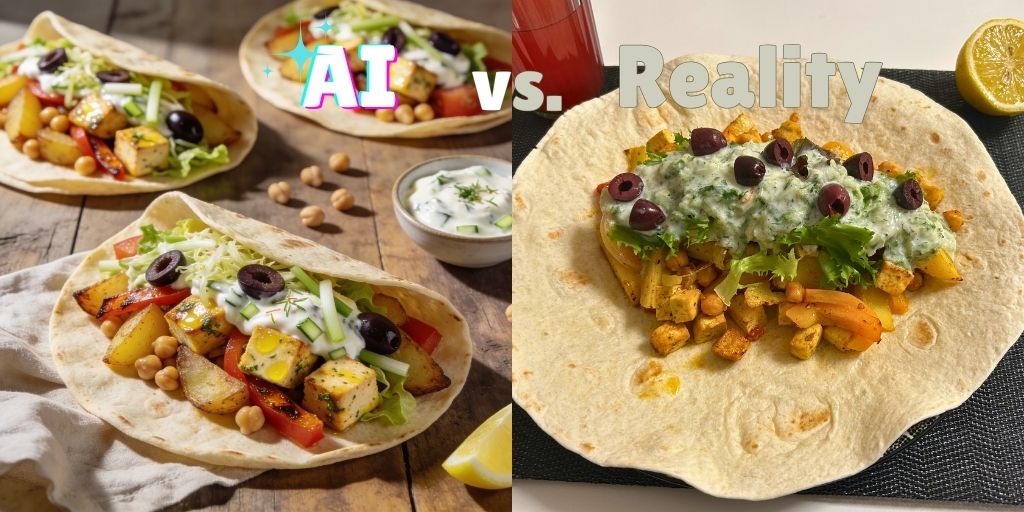
We tested the recipe as instructed, on a Tuesday, because that is when things like this get done. The filling was excellent. The wrap was, in the most polite possible terms, a creative misunderstanding. The tzatziki had structural ambitions it could not sustain. Here is the full debrief.

Taste
The filling is genuinely delicious — lemony, crispy-edged, deeply satisfying — and immediately reminded us of a favorite we had somehow forgotten, the lemony roasted potatoes from Veganomicon. It will be made again. Without the wrap. The wrap was there in the same way a necktie is sometimes there: technically part of the outfit, not contributing much.

Portion Size
Three portions, as requested. Three moderate portions if you skip the wrap; three generous portions if you include it. The recipe delivers. Whether you need the extra carbohydrate architecture is a different question.

Combination
The filling components work beautifully together. The potato-inside-a-wheat-wrap combination does not. These are two carbohydrates that have agreed, in writing, to remain separate. Honour that agreement.

Texture
The filling: excellent. The tzatziki: somewhat liquid, displaying the structural integrity of a strong opinion with no follow-through. This is not the recipe’s fault. The instruction to squeeze excess water from the cucumber was present. We chose to ignore it. Less cucumber, or firmer follow-through on the squeezing, would solve this.

Spices
The recipe’s spice quantities are written for the cautious. If you are not cautious — and there is no reason to be — simply double everything from the start and skip the measuring. It works. For the lemon, one small lemon is not enough and will leave the filling tasting politely citrusy rather than properly lemony. Use one large lemon or two smaller ones, and do not apologise for it.

Timing
The estimates are on the conservative side, which is either reassuring or mildly patronising depending on your cooking experience. Preparation was faster; oven time was faster too. At 210°C, check the tray regularly and do not neglect the toss at the halfway mark. The oven is not managing itself.

Processing
No issues. Everything proceeded in an orderly fashion, which is not always guaranteed when an AI has designed the workflow.

Completeness
All ingredients accounted for. No gaps, no surprises, no emergency trips to the shop.

Environment
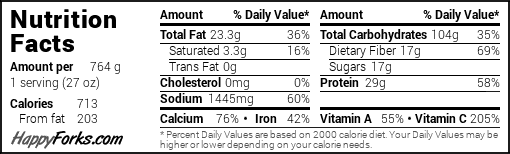
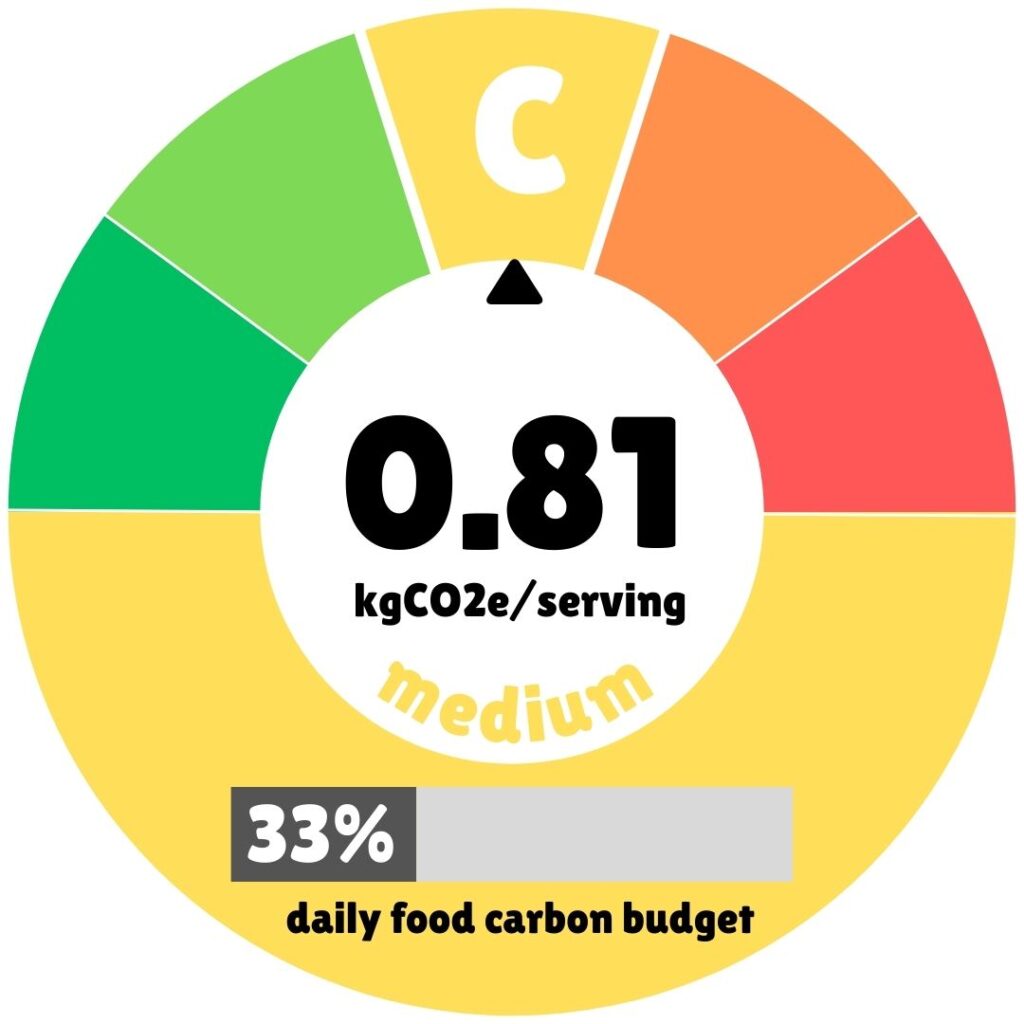
A C-rating, which is the culinary equivalent of a polite but disappointed nod. Removing the wrap would help — it trims the processed wheat packaging from the footprint — but not enough on its own to reach a B.

Health
A strong performer against the EAT-Lancet Planetary Health Diet. The main caveats are the potato quantity, which exceeds the PHD’s daily reference, and the refined-flour wrap — easily resolved by switching to a wholegrain version, or more elegantly resolved by removing the wrap entirely.

Tips for Redemption
- Drop the wrap entirely, increase the sheet-pan filling by maybe 20% to compensate, and serve as a roasted gyro bowl. The dish that was always hiding inside this recipe will finally be free.
- Be generous with the spices, the lemon juice and the olive oil