Survival Food for a Failing Normal, Episode 2
Authors: Cobaia Kitchen, Qwen 3.7-Plus Deep Research, GPT-5.6, Claude Sonnet 5.5
Photos: Cobaia Kitchen, GPT Image 2, GPT Image 2.5 Flare
Welcome to the Cobaia Kitchen survival food series: recipes for the increasingly ordinary occasions when “normal life” discovers that electricity, tap water, transport, supermarket logistics and a functioning card terminal were never laws of nature, merely services with surprisingly ambitious uptime targets. Episode 1 was about heat: the slow-cooker version of climate adaptation, in which the flat becomes uninhabitable and everyone is encouraged to drink water as though this somehow counts as an infrastructure policy.
Episode 2
Blackout Kitchen is not about preparing for the end of civilisation. It is about preparing for the far more likely end of Wi-Fi, supermarket card readers and the certainty that the fridge light will always switch on. Climate extremes can put pressure on the systems that deliver power, water, transport and food. When those systems wobble, a calm home pantry turns “What do we eat?” from a small domestic tragedy into a bowl of chickpeas with smoked paprika.
There is a standard cinematic version of a blackout. Someone lights a candle, puts on a wool jumper despite it being July, and then produces a saucepan, a camping stove and an alarming quantity of tinned ravioli. The Central European apartment version is usually less heroic. The lift stops. The card reader in the supermarket stops. Mobile data becomes vague and philosophical. You open the fridge every seven minutes to see whether it has reconsidered its position, thereby helping it lose the cold it has left. And eventually, quite naturally, someone asks the question on which civilisation has always depended: “What can we eat without cooking?”
The answer on the first day is not emergency couscous. First, treat the refrigerator as the temporary cold store it still is: keep the door closed, eat foods that require refrigeration while they are safe, and do not turn a power outage into a spontaneous buffet of questionable leftovers. The real Blackout Kitchen starts around Day 3, after the fresh-food rescue mission is over and tins, jars, dry goods and UHT cartons finally receive the civic recognition they have long deserved.
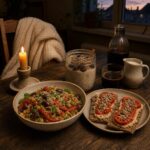
This is where planned no-cook food becomes less of a camping trick and more of a domestic technology. Couscous needs only clean water and time. Rolled oats become breakfast with shelf-stable plant milk, seeds and a jar. Crispbread requires no negotiation at all: it is structurally prepared for pessimism. Canned beans, jarred peppers, tahini, olives, seeds, bottled lemon juice and tomato paste make meals that are filling, plant-based and recognisably enjoyable, rather than a sequence of grim nutritional transactions conducted by torchlight. The principle is not to hoard exotic survival products. It is to keep foods you already like, rotate them in ordinary life and make sure they can do useful work when the grid is taking a personal day.
Coffee, obviously, belongs in the emergency plan. Official guidance discusses water, hygiene, batteries, medication and radios with the solemnity these things deserve, but it remains bizarrely silent about the household consequences of a morning without coffee. Fortunately, a cold-brew bottle needs neither kettle nor plug: coarse coffee grounds and safe water steeped overnight produce a coffee concentrate suitable for restoring basic democratic values by breakfast. Because the bottle cannot go into the fridge during a blackout, room-temperature extraction is faster: start with 8–12 hours, using the shorter time in warm weather, then strain and drink it the same day.
Water remains the actual centre of the story. Food is reassuring, but liquid is non-negotiable. This menu uses water deliberately: plant milk carries the breakfast, the cold brew is made in a modest batch, couscous receives only what it can absorb, and the dinner needs none. It is not apocalypse cuisine, and it is certainly not prepper theatre. It is breakfast, lunch, dinner and coffee on Day 3—when the fridge has resigned, the grid is still sulking, and a bowl of properly seasoned couscous qualifies as a small but undeniable victory.
🐹 Guinea pig blackout corner
- Keep unlimited good-quality grass hay available; hay or suitable grass is essential for digestion and teeth
- Store a separate pet-water reserve
- Keep a rotating supply of fresh, guinea-pig-specific pellets; vitamin C in pellets degrades over time, so buy manageable amounts, store them cool and dry, and check dates.
- Continue familiar garden and meadow forage where safe: hand-picked grass, dandelion and known herbs are useful additions for piggies already accustomed to them. Fresh grass should be offered frequently.
- Pick only from familiar, unsprayed places away from heavy traffic, dog hotspots and chemical treatment
- Known, unsprayed fruit-tree and hazel branches can provide useful chewing material and enrichment.
- Keep a carrier, medication, vet contact details, extra bedding and a printed safe-plant reference with the pet supplies—because phones are remarkably unhelpful once their battery has embraced the void.
- Do not rely on forage alone: hay, water and fresh pellets remain the non-negotiable base plan.
Please read the review before cooking!
The Blackout Kitchen Menu
Equipment
- Cold-brew bottle with filter, or a clean bottle/jar plus a fine sieve or tea strainer
- Manual coffee grinder, if storing whole coffee beans
- Manual can opener
- Two lidded jars or sealable containers for overnight oats and cold-soaking couscous
- Large mixing bowl
- Measuring cup or jug
- Kitchen scale, or a marked measuring cup for repeatable coffee and couscous ratios
- Small knife and cutting board for peppers, olives and any fresh herbs
Ingredients
Part One: Overnight Blackout Cold Brew
- 50 g coarse-ground coffee
- 400 ml safe drinking water
- 200-400 ml UHT plant milk or extra safe water for serving
- Optional: pinch of cardamom or cinnamon
Part Two: Power-Down Breakfast Jar
- 100 g gluten-free rolled oats
- 2 tablespoons ground flaxseed
- 2 tablespoons hemp seeds
- 2 tablespoons chia seeds optional
- 2 tablespoons dried blueberries
- 1/2 teaspoon vanilla powder
- 1/2 teaspoon cinnamon
- Pinch of salt
- 350 ml UHT soy oat or other plant milk
- 1 tablespoon almond or peanut butter optional
- Optional: walnuts extra hemp seeds or chopped dark chocolate
Part Three: Grid-Down Mediterranean Couscous Bowl
- 150 g couscous
- 170 ml safe drinking water
- 1/2 teaspoon salt
- 1 tablespoon olive oil
- 1 can chickpeas or white beans about 240 g drained
- 100 g roasted red peppers from a jar drained and sliced
- 8 –10 olives sliced
- 1 tablespoon capers optional
- 2 tablespoons sunflower seeds or hemp seeds
- 1 tablespoon tomato paste from a tube
- 2 tablespoons olive oil
- 1 tablespoon bottled lemon juice or apple-cider vinegar
- 1 teaspoon dried oregano
- 1/2 teaspoon smoked paprika
- 1/2 teaspoon ground cumin
- Black pepper and chilli flakes to taste
- Optional: familiar garden herbs or safely foraged greens
Part Four: Lights-Out Crispbread Supper
- 8 to 10 gluten-free crispbreads rye crispbreads or corn crackers
- 1 small can white beans or chickpeas about 240 g drained
- 2 tablespoons tahini
- 1 tablespoon olive oil
- 1 tablespoon bottled lemon juice or apple-cider vinegar
- 1 teaspoon tomato paste
- 1/2 teaspoon smoked paprika
- 1/2 teaspoon garlic powder
- Pinch of salt and black pepper
- 1 small jar roasted peppers drained and sliced
- 8 to 10 olives sliced
- 2 tablespoons hemp seeds sunflower seeds or pumpkin seeds
- Chilli flakes or dried oregano optional
Instructions
Part One: Overnight Blackout Cold Brew
- Add the coffee and optional spice to a clean cold-brew bottle.
- Pour in 400 ml safe drinking water, seal and gently shake until all grounds are wet.
- Steep for 8–12 hours in the coolest practical spot, away from direct sun or heat. Strain in the morning and drink it that day
- Strain. Serve one part concentrate with one part UHT plant milk or safe water; taste and adjust.
- Drink the same day. Do not turn unrefrigerated cold brew into a long-term biology project.
- Water-smart note: Using UHT plant milk to dilute the concentrate saves part of the drinking-water reserve.
Part Two: Power-Down Breakfast Jar
- Divide the oats, flaxseed, hemp seeds, optional chia, dried blueberries, vanilla, cinnamon and salt between two jars or bowls.
- Add 175 ml UHT plant milk to each portion and stir thoroughly.
- Cover and leave for at least 30 minutes; overnight makes it even creamier.
- Stir again and top with nut butter, walnuts, extra hemp seeds or chocolate if using.
- Eat straight away once hydrated. A prepared oat jar without refrigeration is breakfast, not tomorrow’s breakfast.
Part Three: Grid-Down Mediterranean Couscous Bowl
- Combine couscous, salt, olive oil and water in a bowl or lidded container. Stir, cover and leave for 25–30 minutes.
- Meanwhile, stir tomato paste, olive oil, lemon juice or vinegar, oregano, paprika, cumin, pepper and chilli into a dressing.
- Fluff the couscous. If necessary, add one tablespoon of water, cover and wait another 10 minutes.
- Fold in the chickpeas, peppers, olives, capers, seeds and dressing.
- Add garden herbs or safe, familiar greens just before serving. Eat immediately.
- No-rinse rule: Canned pulses are already cooked. In a water interruption, drain them but do not spend precious drinking water rinsing them unless you have plenty.
Part Four: Lights-Out Crispbread Supper
- Drain the beans. In a bowl, mash them roughly with a fork.
- Mix in tahini, olive oil, lemon juice or vinegar, tomato paste, smoked paprika, garlic powder, salt and pepper. It should be thick, rustic and spreadable; add no water unless you have plenty and actively prefer a softer texture.
- Spread the bean-tahini mixture generously over crispbreads.
- Top with roasted peppers, olives and seeds. Add oregano or chilli if wanted.
- Eat immediately. Anything opened or mashed belongs in the meal, not in tomorrow’s unrefrigerated archaeology project.
Notes
Serving suggestions:
- Serve the cold brew in a small glass with a splash of UHT oat or soy milk; add cinnamon or cardamom if the power cut has also affected your optimism.
- Eat the Power-Down Breakfast Jar straight from its soaking jar, topped with extra hemp seeds, crushed almonds, a spoonful of almond butter or a square of dark chocolate chopped over the top. If safe fresh fruit is still available in the first days, add apple, banana or berries.
- Serve the Mediterranean Couscous Bowl at room temperature with crispbread, corn crackers or a tortilla wrap for scooping. A little extra bottled lemon juice, chilli flakes or dried mint makes it feel much less like a logistical achievement.
- Turn the Lights-Out Crispbread Supper into a small sharing board: arrange topped crispbreads with extra olives, jarred peppers, capers, roasted seeds and a few squares of dark chocolate for a dessert that requires neither power nor emotional fortitude.
- In warmer weather, keep the menu out of direct sun and eat prepared food promptly.
- Cereals containing gluten (wheat) — from the couscous in the Mediterranean Couscous Bowl.
- Sesame — from tahini in the Lights-Out Crispbread Supper.
- Soybeans — if soy milk is used for the breakfast jar or to dilute the cold brew.
- Nuts — if almond butter, almonds or walnuts are used as optional breakfast toppings.
- Peanuts — if peanut butter is used as the optional breakfast topping.
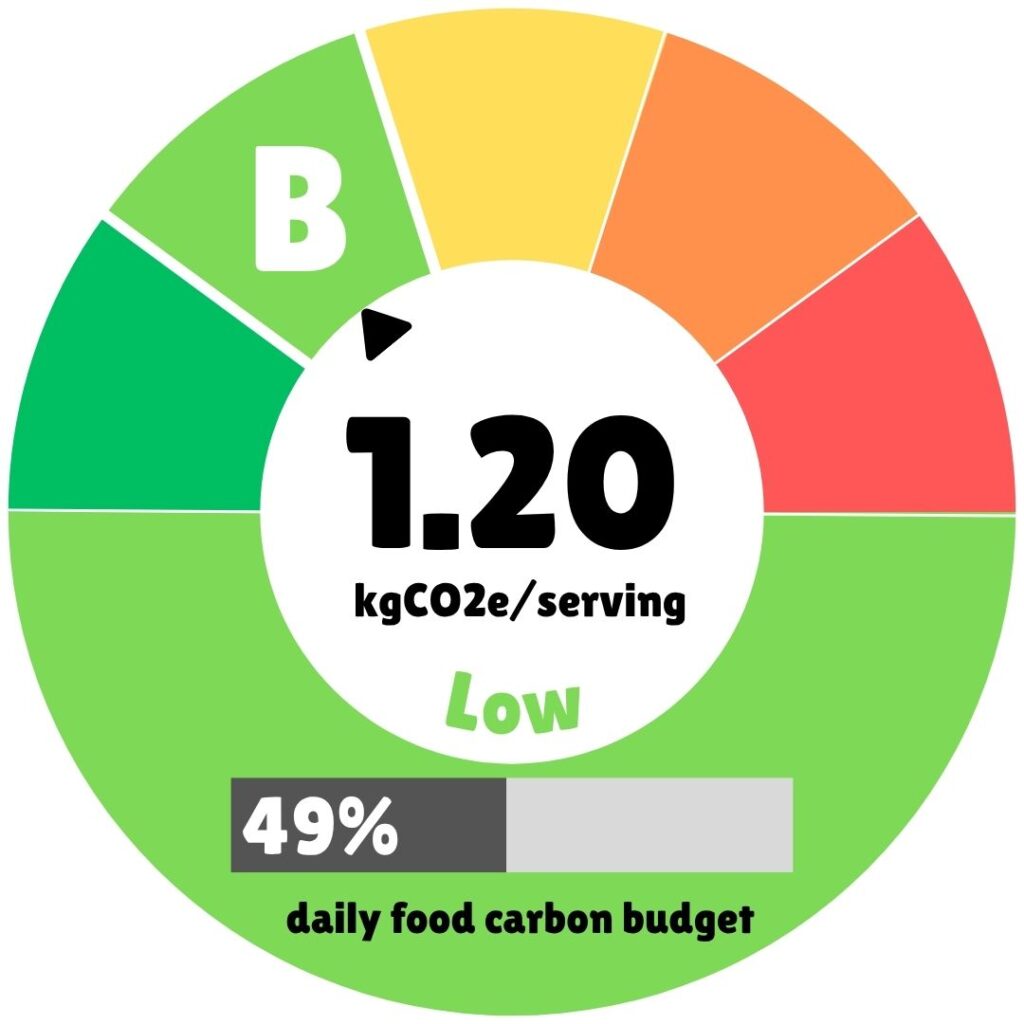
Emission Hotspots:
- Canned chickpeas: A major hotspot because processing and packaging add a clear emissions premium over simpler dry staples.
- Vanilla powder has a very high footprint per kg. Vanilla is mostly grown in Madagascar, cured by hand over months and shipped long distances.
- Shop to home transportation, if a combustion car is used
Sustainability tips:
- Prepare only what you will eat immediately. Without a fridge, leftover soaked oats, couscous, mashed beans and opened plant milk cannot be stored reliably, so the two-portion format prevents avoidable food waste.
- Choose small cans and jars, or plan to finish a larger one across lunch and dinner. Opened chickpeas, peppers, olives and tahini-bean spread should all be eaten the same day if refrigeration is unavailable.
- Use the whole product. Add oil from roasted peppers or sun-dried tomatoes to the dressing, use a little olive or caper brine for seasoning, and scrape out tomato paste and tahini jars thoroughly.
- Measure water before soaking. Couscous should receive only the water it can absorb; add extra a tablespoon at a time. This avoids wasting stored drinking water and prevents a sad, watery bowl.
- Use UHT plant milk first only after opening. An unopened carton is shelf-stable; an opened carton is not. Choose a small carton for the breakfast jar and cold brew, or use the rest that same day.
- Make a small cold-brew batch. Brew only the amount you plan to drink that morning, strain it after 8–12 hours and do not keep it sitting around for several days without refrigeration.
Carbon Footprint

Featured Story
Hydrated by Innovation
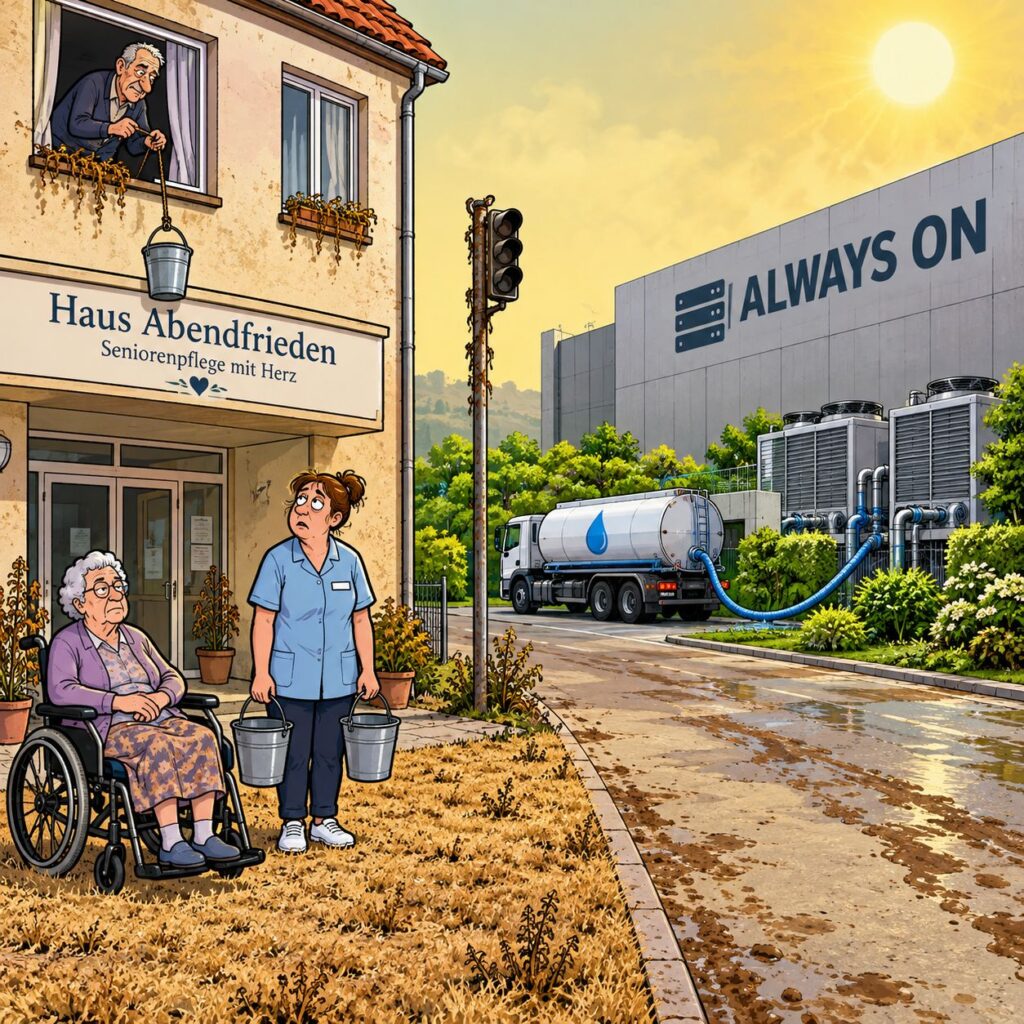
The emergency plan at Haus Abendfrieden fit on a laminated sign: In case of fire, do not use the lift. It did not cover a summer that began with six weeks of heat, which baked the ground as hard as a ceramic plate, and ended with a single thunderstorm, whose rain had nowhere to go but straight into the substation at the edge of the business park. By the next morning, the power was gone. By Tuesday, the taps managed only a thin metallic cough, and Sabine Möller, the deputy manager, who was also the plumber, nurse and hearing-aid detective, spent her days rationing the last crate of mineral water from the pantry, one cup per resident. On Wednesday, the waterworks sent a text asking residents to “conserve water where possible.” “Conserve what, exactly?” asked Frau Neumann, ninety-one, who had survived a war, three currency reforms and the introduction of online banking. “Please tell them we ran out on Tuesday.” “They mean shorter showers,” said Sabine. “We have no showers,” said Frau Neumann. “We have a fine view of a data center.”
Across the road stood RheinCloud Campus, a windowless concrete block that hosted artificial intelligence, streaming services and the regional tax office’s backup of a backup. A very official sign declared it “critical infrastructure.” In practice, that meant three diesel generators, a fuel contract with guaranteed delivery and a direct line to the district crisis team. Haus Abendfrieden had one emergency lamp, two candles in jam jars and a lift that was now very obedient. By noon, Frau Neumann had taken up a position in her wheelchair in front of the entrance, where it was cooler than inside. She watched the data center like a woman waiting for a bus that was never going to stop for her. On Wednesday afternoon, a water tanker finally appeared. Sabine ran out with two buckets and what she hoped was a dignified expression. The driver explained that the tanker was assigned to RheinCloud. Even on generators, the data center needed vast amounts of water to cool its servers. “It’s a priority,” he said. “It has the AI.” Sabine looked at the tanker, then at the building, then at the second-floor window where Herr Rosenthal, ninety-three and a retired electrician, was lowering a bucket on a rope like a besieged medieval castle. “Is the AI thirsty?” she asked. The driver considered this. “It could be very thirsty.”
Sabine did not remember deciding to cross the road. One moment she was beside the tanker, and the next she was at a reception desk air-conditioned to a temperature she associated with fresh fish. The facility manager, a tall man with a lanyard reading RESILIENCE LEAD, said he completely understood the situation, in the voice of someone who had understood many situations from a safe distance. Without cooling water, he explained, the servers risked thermal shutdown. Sabine asked who would be affected. He checked a tablet. “Mostly an online shopping platform, a streaming service and a chatbot that helps people write complaint letters.” “Then ask it to write a complaint letter to the weather,” said Sabine. “I can offer you a bottle of water,” he said at last, and handed her a small glass bottle labeled HYDRATED BY INNOVATION. Sabine held it up to the light. It was the only thing she had been given all week, and it was beautifully designed. “Thank you,” she said. “I’ll tell Frau Neumann it’s critical.” On her way out, she noticed an indoor garden in the lobby with a sign reading WATER-SAVING PLANTS. The plants were all very green.
That evening, the CEO of RheinCloud appeared on the news, standing in front of a humming generator with the shine of a man who had never worried about a lift. “This was an unprecedented, entirely unforeseeable weather event,” he said. Frau Neumann, watching on a battery-powered television in the lobby, snorted. “Six weeks of heat, then all the rain at once. Even I could have foreseen that, and I don’t own a chatbot.” Herr Rosenthal, who had come downstairs for the broadcast, nodded gravely. Then the newsreader announced that the Chancellor was not available for questions about the weather. “Of course,” said Frau Neumann. “I could have foreseen that, too.”
By nine, the tanker had left and the lift remained a vertical museum piece. Sabine sat on the front steps with a small glass of cold brew she had prepared the night before, warm and bitter and the only thing in the building working at full capacity. “Somebody should tell the chatbot,” said Frau Neumann from her wheelchair. “It’s the only one they listen to.” “It has cooling water,” said Sabine. Across the road, floodlights switched on, and a sign glowed over the dark neighborhood: ALWAYS ON. ALWAYS THERE. ALWAYS FOR YOU. Herr Rosenthal, leaning out of his window with the bucket on its rope, gave it a long, professional look. “Forty years as an electrician,” he said, “and I have never seen a building so well protected from the thing everyone said couldn’t happen.” Sabine raised her glass toward the light. “To resilience,” she said. “It’s just across the road.”
Culinary Reality Check
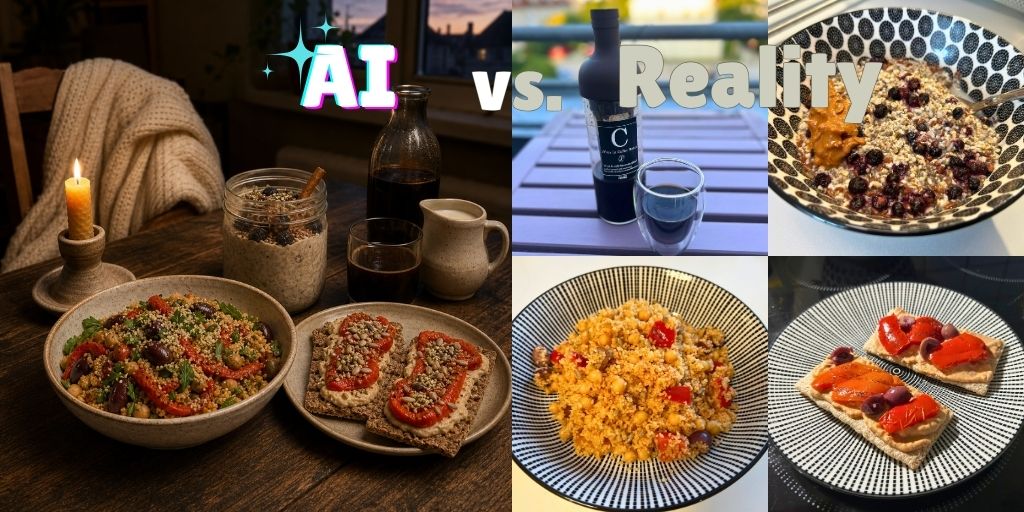
No fresh produce, no stove, no culinary miracles—and still a genuinely decent menu. The ingredients work well together, the preparation is easy, and nothing tastes like a punishment for failing to own a generator.

Taste
Very good under the circumstances, with no complaints at the table. The flavours are pleasant rather than unforgettable, but this is comfortably preferable to canned ravioli warmed over a camping stove. The crispbread supper was the clear winner. Breakfast and lunch were both pretty good; the cold brew was okay. Lunch and dinner share several ingredients and a similar Mediterranean flavour profile, so variety is not the menu’s strongest suit. For one day, that is an acceptable compromise.

Portion Size
The recipe delivered almost exactly two portions of every meal. No mysterious third serving, no awkward negotiation over the last spoonful.

Combination
The meals fit together nicely, with enough contrast between creamy oats, couscous and crispbread to keep things interesting. Lunch could use a little tahini sauce. The couscous is slightly dry, and a creamy dressing would help bring everything together rather than leaving the grains to conduct their own separate meeting.

Texture
Cold-soaked couscous works remarkably well. Once hydrated, it is essentially indistinguishable from the hot-water version, apart from the temperature and the longer wait. The bowl is still a little dry overall, so sauce enthusiasts may feel something is missing. The bean spread, meanwhile, works beautifully with the crispbread.

Spices
The seasoning does its job without demanding applause. Nothing felt obviously missing or out of balance. Lunch and dinner do lean on similar flavours, though, so changing the seasoning in one would give the day a little more personality.

Timing
Hands-on preparation was very quick. With no fresh produce to wash and chop, most of the work involved opening, measuring, stirring and mashing. The waiting is mostly passive. Cold brew still requires planning ahead, but it does not require standing in the kitchen looking useful.

Processing
Very easy, and everything behaved as intended. The couscous hydrated, the beans mashed, and no step required electricity or specialist technique.

Completeness
The recipes felt complete in use, with no missing ingredients or unexplained steps. Nothing required an improvised rescue halfway through preparation.

Environment
A solid B-rating, very close to A. The full day’s menu uses barely half the daily food carbon budget—a good result for something that feeds you from breakfast through supper.

Health
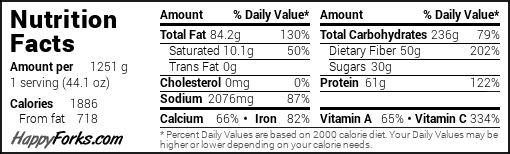
The menu fits the Planetary Health Diet’s plant-focused approach, with plenty of legumes, nuts, seeds, unsaturated fats and fibre. Its weaker points are fruit, vegetables, whole grains and total energy: at 1886 kcal per person, it falls roughly 500 kcal short of the 2400 kcal benchmark used here.

Tips for Redemption
No major rescue operation needed—just a few useful adjustments:
- Turn some tahini and bottled lemon juice into a dressing for the couscous, loosening it with a little safe drinking water if supplies allow.
- Give lunch more cumin and lemon, and let dinner lean into smoked paprika and chili. Shared ingredients need not mean identical personalities.
- Choose wholegrain couscous and wholegrain crispbread to strengthen the grain component.