
Authors: Cobaia Kitchen, Gemini 2.5 Pro, Microsoft Copilot
Photos: Cobaia Kitchen, Microsoft Copilot
When I stumbled upon a bag of mini black-eyed peas at Kista Grossen near Stockholm, I knew I had found something special—but what on earth to do with them? Kista, known as Sweden’s Silicon Valley and one of Europe’s leading tech hubs, might seem like an unlikely place to spark culinary inspiration, but the neighborhood’s inventive spirit clearly rubbed off on me (or maybe it was the legendary engineer from our cooking story below, who navigated Ericsson’s labyrinthine offices with a trail of beans). After batch-cooking and freezing the entire package (meal prep win!), I turned to Google’s Gemini 2.5 Pro model with a detailed prompt: create a plant-based Mexican dinner using these little legumes, pantry staples, ingredients available in German supermarkets, and a low-carbon footprint to boot. The AI combed through my stock list, previous recipes, equipment inventory, and even my personal dislikes (sorry, eggplant!) to craft this vibrant Smoky Mexican Black-Eyed Pea Skillet. What’s fascinating is that black-eyed peas have a rich and complex history in Mexican cuisine—originally domesticated in West Africa over 6,000 years ago, they traveled to Mexico through multiple routes: with enslaved Africans, via Portuguese and Spanish settlers from Iberia (where they were popular since Moorish times), and possibly even through early Pacific trade routes. In central Mexican states like Guanajuato and Jalisco, they’re known as “veronicas” or “frijol de Castilla,” and have been lovingly prepared in stews alongside chickpeas and fava beans for generations. This recipe honors that multicontinental heritage while keeping things simple, sustainable, and absolutely delicious.
Please read the review before cooking!
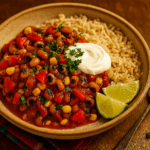
Smoky Mexican Black-Eyed Pea Skillet
Equipment
- Large pan or skillet with a lid
- Chef’s knife
- cutting board
- Measuring spoons
- Wooden spoon
- Rice cooker or medium pot
Ingredients
- 2 tbsp olive oil
- 2 medium onions finely chopped
- 4 cloves garlic minced
- 1 red bell pepper diced
- 1 can (400g) diced tomatoes
- 1 can (285g) drained sweet corn
- 450 g cooked mini black-eyed peas frozen
- 100 ml vegetable broth
- 180 g whole grain basmati rice
- Optional Garnish: A dollop of unsweetened soy yogurt and fresh parsley chopped
For the Mexican spice mix:
- 1 tbsp sweet paprika
- 2 tsp chili powder
- 1 tsp smoked paprika
- 1 tsp ground cumin
- 1/2 tsp dried oregano
- Salt and black pepper to taste
Instructions
- Prepare the Rice: Rinse the whole grain basmati rice and cook it according to the package directions or using your rice cooker. It will take about 20-25 minutes.
- Sauté Vegetables: Heat the olive oil in a large skillet over medium heat. Add the chopped onions and cook for about 5-7 minutes, until softened and translucent. Add the diced red bell pepper and cook for another 5 minutes until it begins to soften. Stir in the minced garlic and cook for one more minute until fragrant.
- Toast the Spices: Add the sweet paprika, chili powder, smoked paprika, cumin, and oregano to the skillet. Stir continuously for about 30 seconds until the spices are aromatic.
- Simmer the Skillet: Pour in the diced tomatoes and vegetable broth. Stir everything together, scraping up any toasted spices from the bottom of the pan. Bring the mixture to a simmer.
- Add Beans and Corn: Add the frozen black-eyed peas and the drained sweet corn to the skillet. Stir to combine, then reduce the heat to low, cover, and let it simmer for 10-15 minutes, allowing the flavors to meld and the beans to heat through.
- Final Touches: Season the skillet generously with salt and pepper to your taste.
Notes
Serving suggestions:
Allergens:
- Soy (in the soy yogurt. Replace with any soy-free alternative)
Emission Hotspots:
- While canned goods are convenient, they carry a higher environmental cost than their raw counterparts. The processing, metal packaging, and shipping of these heavier water-filled cans all contribute to their larger carbon footprint.
- Rice farming
- Shop to home transportation, if a combustion car is used
Sustainability tips:
- Using fresh corn during harvest season, or frozen corn as alternative significantly reduces the footprint while improving flavor.
- Choose seasonal, locally grown vegetables; in Germany, opt for domestic onions and bell peppers, as transports from abroad increase emissions.
- Energy-Efficient Cooking: Keep the lid on your pot while the skillet is simmering. This traps heat, reduces cooking time, and therefore saves energy. You can even turn off the stove a few minutes early and let the residual heat finish the cooking process
- Compost your vegetable trimmings and herb stems, turning them into nutrient-rich soil instead of landfill waste.
- Consider growing your own herbs on a sunny windowsill
- Walk or bike to the supermarket and farmer’s market to cut transportation emissions
- Embrace Leftovers: This skillet tastes even better the next day as the flavors have more time to meld. Store leftovers in an airtight container in the fridge for a quick lunch, or use them as a filling for wraps or quesadillas to create an entirely new meal.
- Parsley and bell peppers are a great source of Vitamin C for Guinea pigs 🐹
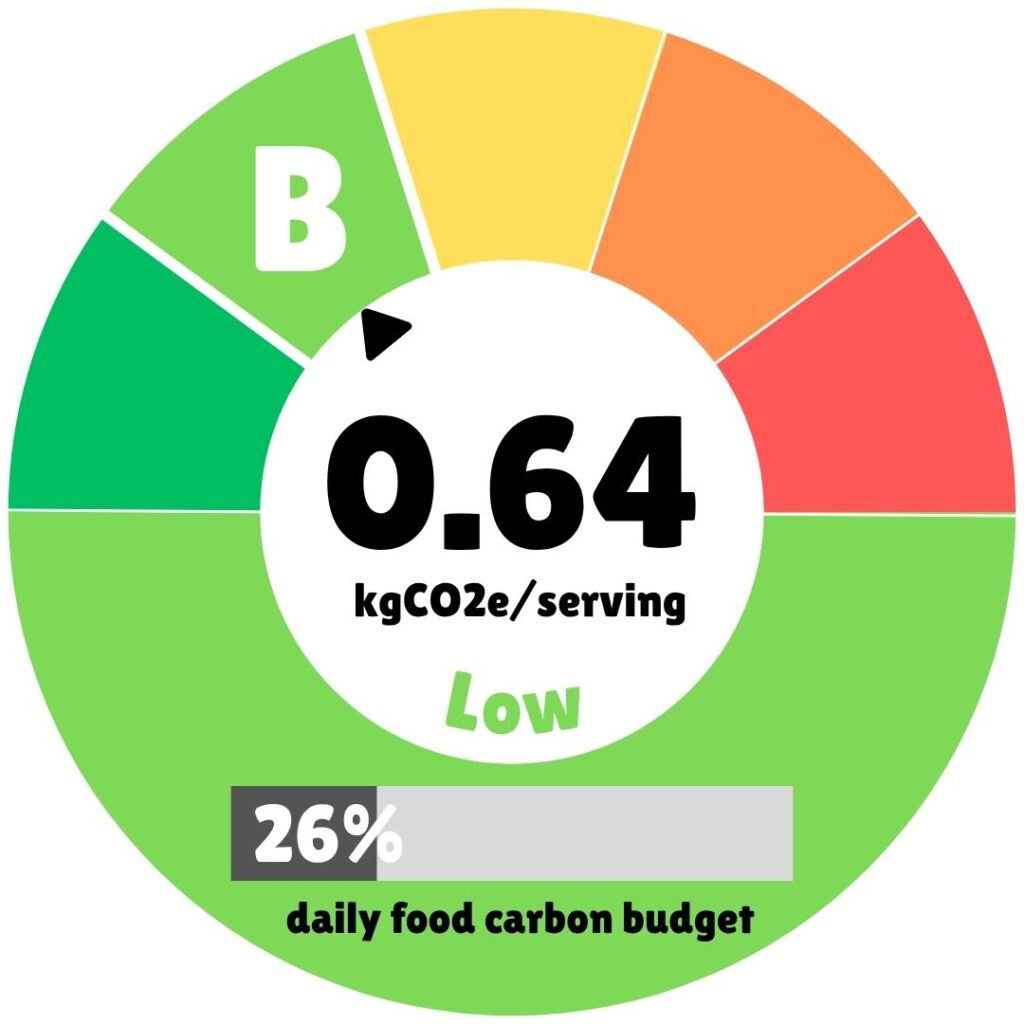
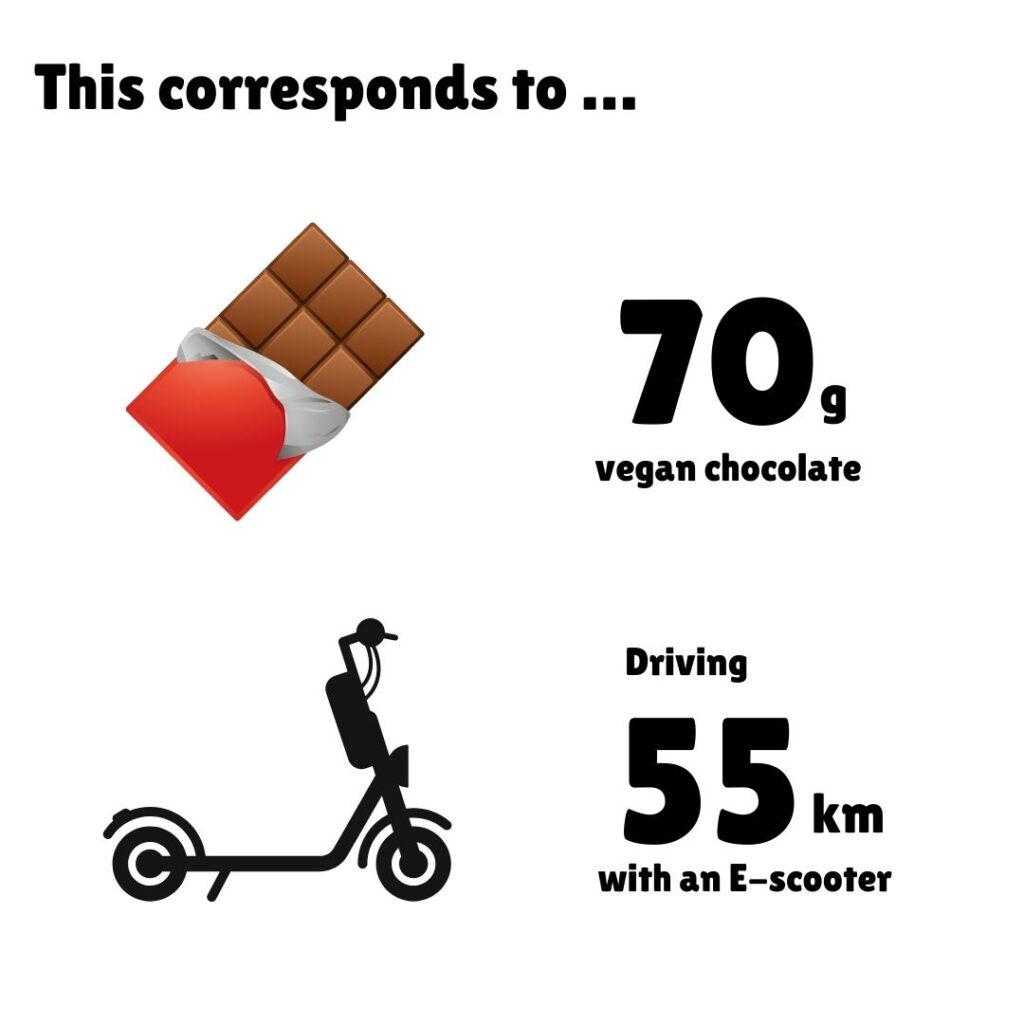
Carbon Footprint
Featured Story
🫘 BeanNav: The Accidental Innovation

Once upon a time in the buzzing corridors of Ericsson’s headquarters, nestled in the tech haven of Kista, Stockholm, there was an engineer named Lars. Lars wasn’t your typical developer—he had a peculiar habit of carrying a small pouch of dried beans wherever he went. Not for snacking. For navigation.
Lars had just transferred from Ericsson’s Gothenburg office to Kista to work on a top-secret 7G prototype. The Kista campus was a labyrinth of glass buildings, underground tunnels, and endless meeting rooms named after Norse gods. On his first day, Lars got hopelessly lost trying to find the “Odin” conference room. That’s when he had an idea—he’d leave a bean at every major turn. One by one, he dropped them: at the elevator, near the vending machine with the suspiciously warm yogurt, beside the statue of Lars Magnus Ericsson himself. By the time he reached Odin, he had left behind a breadcrumb trail of legumes.
Soon, Lars realized his bean method wasn’t just quirky—it was effective. He began mapping the entire building using beans and a custom app he coded called “BeanNav.” It used NFC tags embedded in each bean to track his route and optimize paths. His colleagues laughed at first, but when they saw how fast Lars could navigate the maze of Kista, they started requesting beans of their own. Within weeks, interns were trading “premium corner-turners,” and someone printed stickers that read “Trust the Bean,” which mysteriously appeared on whiteboards and laptops across the campus.
Lars’s bean-based navigation system caught the attention of Ericsson’s innovation team. They adapted his idea into a smart indoor navigation system for large campuses, using tiny IoT sensors disguised as beans. The project was dubbed “Project Pulsar,” but everyone still called it “Lars’ Beans.” Quiet trials began across office wings and cafeteria corridors, and soon the little bean icons turned into a friendly shorthand for getting around—practical, a bit playful, and unmistakably part of the building’s everyday rhythm.
Years later, Lars became a legend in Kista. New hires were given a ceremonial bean on their first day, complete with a tiny card explaining the origin story and a wink toward the curious. The Odin room was renamed “The Bean Chamber,” the vending machine finally got its cooling fixed, and the statue of Lars Magnus Ericsson gained a subtle bronze bean at its base. And Lars? He still carried his pouch—not because he needed it, but because it reminded him that sometimes, the simplest ideas can lead to the most brilliant breakthroughs.
Culinary Reality Check
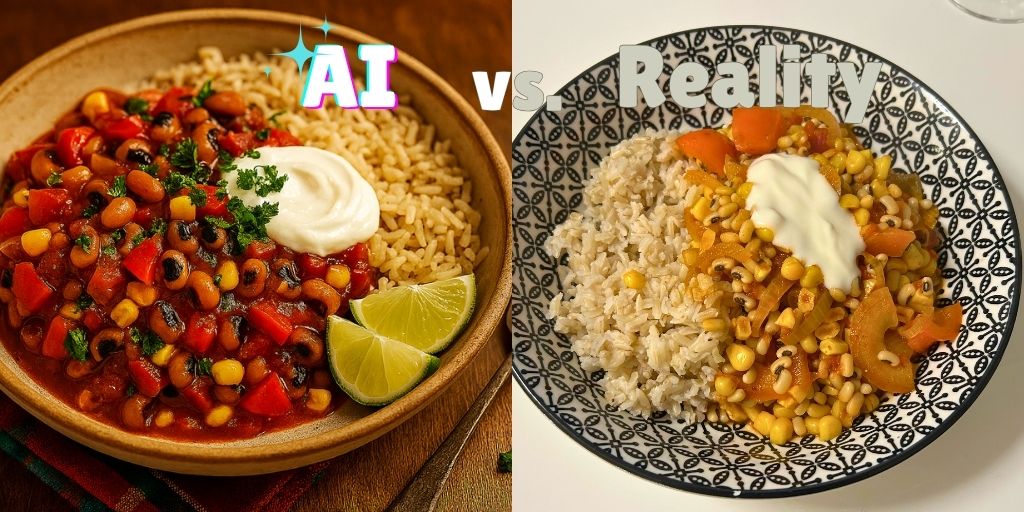
The Verdict: A noble bean attempt with room for improvement. This recipe had all the right intentions—plant-based, sustainable, and quick to throw together—but in practice, it turned into a bit of a legume avalanche. We ended up with enough leftovers to stage a rematch the next day, armed with an extra can of diced tomatoes and a generous sprinkle of the legendary (and in Sweden sadly discontinued) Santa Maria Bean & Corn Taco spice mix. That second-round makeover? Much better.

Taste
Decent, but nothing to write home about. With such an enthusiastic bean-to-everything-else ratio, the other flavors got a bit lost in translation. Think of it like a band where the drummer is way too loud—technically talented, but the melody suffers.

Portion Size
We were aiming for three servings, but this could have easily fed five hungry people with just a bit more rice on the side. Speaking of which, 180g of rice for three people is basically a garnish. Double it, and you’ve got a proper meal.

Combination
The idea was solid, but the proportions were off. Halving the beans and doubling the tomatoes would have created much better harmony on the plate. As it stood, the beans dominated like an overzealous guest at a dinner party.

Texture
No complaints here—the texture was spot on.

Spices
The spicing was okay, but with the bean brigade in full force, everything could have used a flavor boost. More paprika, more cumin, more of everything wouldn’t have hurt one bit.

Timing
Bang-on accurate. This is a fast dish, and we genuinely appreciate the efficiency. Perfect for a weeknight when you don’t want to spend an hour in the kitchen.

Processing
Clear instructions and an easy-to-follow recipe—it’s honestly hard to mess this one up.

Completeness
Almost there, but not quite. The vegetable chopping step is missing from the instructions, so make sure to dice those onions and peppers before you start cooking. A small oversight, but worth noting.

Environment
The carbon footprint is solid and climate-friendly overall. That said, the rice and canned goods do bump it up a bit. Since we made this during corn season, we swapped in fresh corn instead of canned, which helped trim the footprint and tasted better too.

Health
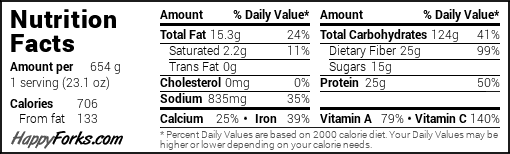
This recipe is a planetary health superstar, smashing EAT-Lancet recommendations for legumes and hitting the mark for vegetables and whole grains. With zero animal products, refined grains, or added sugars, it’s a nutritional powerhouse with minimal environmental impact—exactly what a sustainable meal should be.

Tips for Redemption
- Cut the beans down to 225–300g max, and double the tomatoes. Consider adding more corn and other veggies to balance things out.
- 180g of rice is barely worth turning on the stove. Cook at least double to be energy-efficient and ensure everyone gets a proper portion. Bonus: leftovers reheat beautifully.
- Don’t be shy with the spices. Go bold with a mix close to the Santa Maria Bean & Corn Taco blend: chili powder, cumin, ground coriander, smoked paprika, oregano, black pepper, coriander leaves, chipotle, garlic, salt, sweet paprika, and a squeeze of lime juice. Your taste buds will thank you.